Two things are happening at once in Hollywood, and the industry seems determined to discuss only one of them. Filmustage has reported that Google searches for “movies with no AI“ rose roughly 345% in a single month, while searches for “movies made with AI” climbed 112%. Treat those figures as a directional signal rather than a scientific poll, but the direction itself is hard to ignore for Hollywood actors and the broader industry.
Hollywood’s Biggest Names Are All In
Veteran producers and new competition prizes are both pointing in the same direction: AI-generated film is no longer a concept.
Jeffrey Katzenberg, the DreamWorks co-founder who has spent decades shaping the animation business, told TheWrap in September that he is pursuing an AI-focused animation studio or digital platform. His argument is that the technology has now crossed a meaningful threshold, where lower production costs could make more films viable.
Up until recently it was slop.
Jeffrey Katzenberg, DreamWorks co-founder, via TheWrap
Katzenberg’s stated goal is pairing AI with top talent, not eliminating the people who make films worth watching.
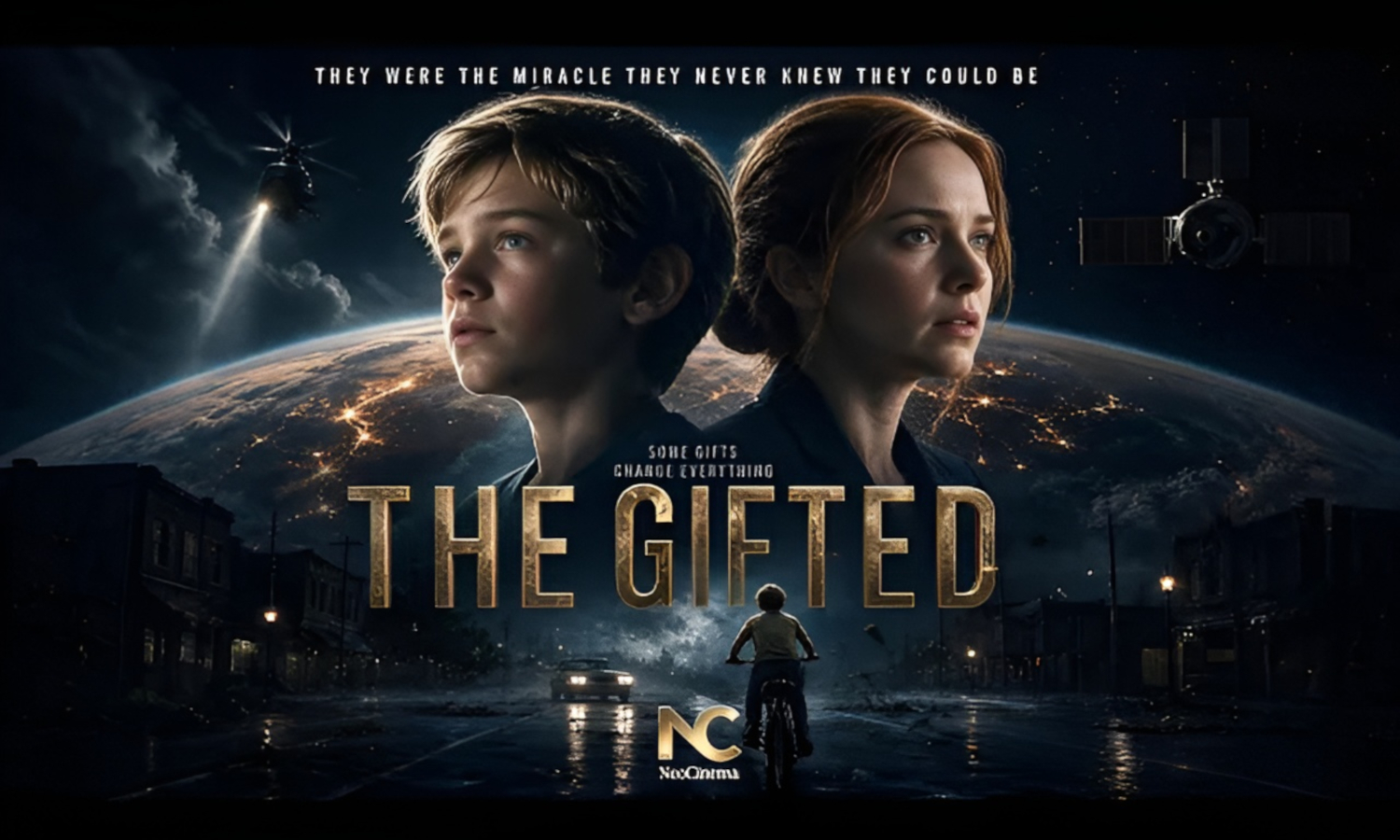
Separately, an AI-produced project called The Gifted won the inaugural Future Vision XPRIZE after beating out more than 2,500 submissions worldwide. The prize included $100,000 for screenplay development and a $2.5 million equity investment toward a feature film, backed by Range Media Partners and Google’s 100 ZEROS initiative. Google’s official announcement describes the project’s premise as centering on an 11-year-old boy who recreates his late mother’s voice and essence “out of love and code.”
That is a genuinely human story at the center of a technology-forward competition. The tension is that audiences may increasingly want to know what made it.
The Problem Isn’t AI. It’s the Silence Around It.
The real gap isn’t creative capability; it’s the industry’s reluctance to tell viewers what they’re actually watching.
Kevin Chong, COO of Utopai Studios, has described AI as another filmmaking tool, comparable in principle to digital cameras or visual effects software. His position is that human actors bring interpretation, instinct and lived experience that remain fundamental to performance. That framing is reasonable and likely accurate for most productions working today.
But it sidesteps the more pressing issue. There is currently no consistent standard requiring studios to tell you which AI systems contributed to a film, which images were generated rather than shot, or whether any voice you heard came from a person who consented to its use. That is a disclosure gap, not a technology gap.
Audiences searching for “movies with no AI” are not necessarily opposed to every form of production assistance. They may simply be asking for the same transparency you expect from an ingredient label on food packaging. Knowing what went into something is not an unreasonable demand.
A Solvable Problem, If the Industry Chooses to Solve It
Disclosure standards and consent frameworks already exist in adjacent industries; film is overdue for its own version.
Clear labeling covering AI-generated imagery, synthetic performances and voice cloning would give audiences the information they are already searching for. Consent frameworks for synthetic likenesses are a logical extension of protections that performers have sought in guild negotiations. These are not novel ideas.
Hollywood has absorbed synchronized sound, color cinematography, computer-generated imagery and streaming. Each transition raised similar concerns about authenticity and labor, and each eventually produced new norms. The same process can work here. The variable is whether studios pursue transparency proactively, or wait until audiences and regulators force the issue.