You signed up for that gym membership in four clicks. Cancelling it required a phone call, a waiting period, and a conversation with someone whose job was to talk you out of leaving. If you’ve ever felt like you’re paying too much for subscriptions you can’t escape, this new rule was built with you in mind.
NYC’s Click-to-Cancel rule took effect October 1, 2026, making the city the first municipality in the United States to require that cancelling a qualifying subscription be no harder than enrolling in one.
What the Rule Actually Requires
The rule sets clear disclosure and cancellation standards for businesses that offer automatic-renewal or continuous-service subscriptions.
Businesses must clearly disclose subscription terms at signup, including automatic-renewal conditions. Those disclosures are also required at enrollment and at the point of cancellation.
The core requirement is direct: if you can sign up online, the business must provide an online cancellation option. A gym that accepts web signups cannot require you to show up in person or call to get out.
The rule covers gyms, streaming services, memberships, and subscriptions that renew automatically or convert from a free trial to a paid plan, subject to the rule’s definitions. Deceptive or unconscionable practices around automatic renewals are also prohibited, according to the NYC Department of Consumer and Worker Protection.
What Happens When Companies Don’t Comply
Penalties start at $525 per violation, and complaints go to city staff rather than automated systems.
Businesses that violate the rule face civil penalties starting at $525 per violation. The city projects the rule could save New Yorkers between $21.5 million and $162.5 million annually, and save at least 600,000 hours per year that consumers would otherwise spend trying to cancel services. Those are projections based on expected time savings and earlier cancellation of unwanted subscriptions, not guaranteed refund totals.
If a business makes cancellation difficult, you can file a complaint through the city’s Click-to-Cancel portal at nyc.gov or by calling 311. DCWP may request additional information, help you seek a refund, and assist with ending the subscription. Repeated complaints about the same company could help the agency identify patterns and may support a broader investigation into how digital services handle consumer protections.
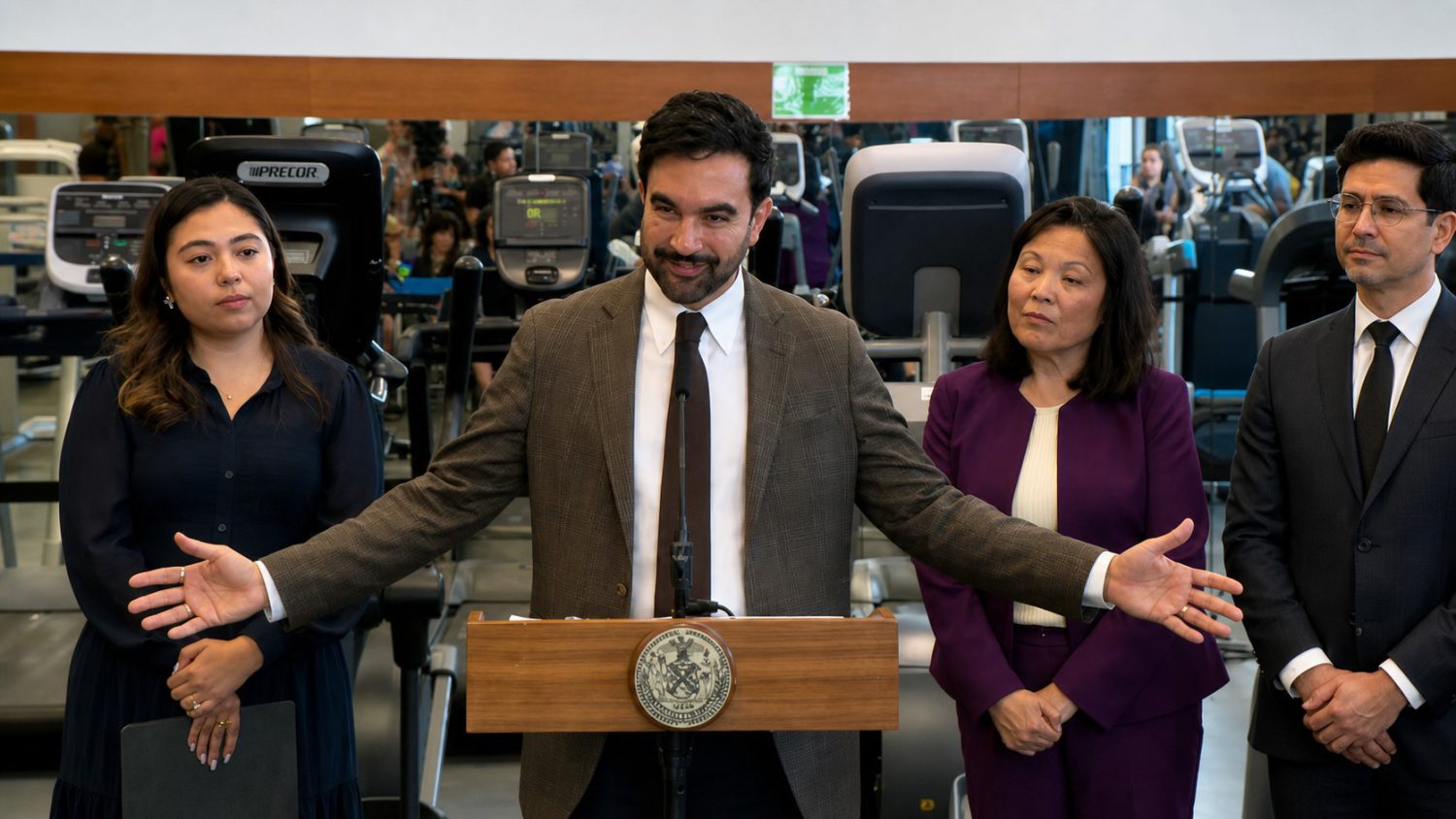
Samuel Levine, Commissioner of the NYC Department of Consumer and Worker Protection, described how the complaint portal was designed to route people to actual staff: “They’re not going to be diverted into a chatbot doom loop. We’re going to have actual people whose full-time job is to help them.”
What the Federal Government Couldn’t Finish
A national version of this rule failed in federal court, leaving cities and states to act on their own.
The Federal Trade Commission pursued a national click-to-cancel rule. An appeals court struck it down on procedural grounds before it could take effect, leaving the federal approach unsettled on recurring subscriptions.
Levine previously served as the FTC’s consumer-protection chief under Lina Khan. He worked on that failed federal effort, which gives his description of the city rule as a faster local model some practical weight.
The city’s complaint portal was built in 10 weeks by the mayor’s Public Interest Technology Crew. That timeline stands in contrast to years of federal rulemaking that ultimately did not produce an operative national protection.
One significant limit applies: the rule is city-specific. It does not automatically protect consumers elsewhere in New York State or in the rest of the country. Businesses operating nationally may face pressure to standardize their cancellation flows rather than maintain a separate NYC-compliant process, but that is a possible outcome, not a guaranteed one.
If you live outside NYC, your protection from difficult cancellation practices depends on applicable federal law, your state’s consumer statutes, and any other rules that cover your situation. NYC’s rule is either a municipal proof-of-concept that other cities follow, or an early reminder of how much work remains at the federal level.