Running a company that tells Americans to accept a privacy “compromise” for public safety is a bold pitch. Allegedly getting caught with your own home blurred on Google Street View is a bolder one.
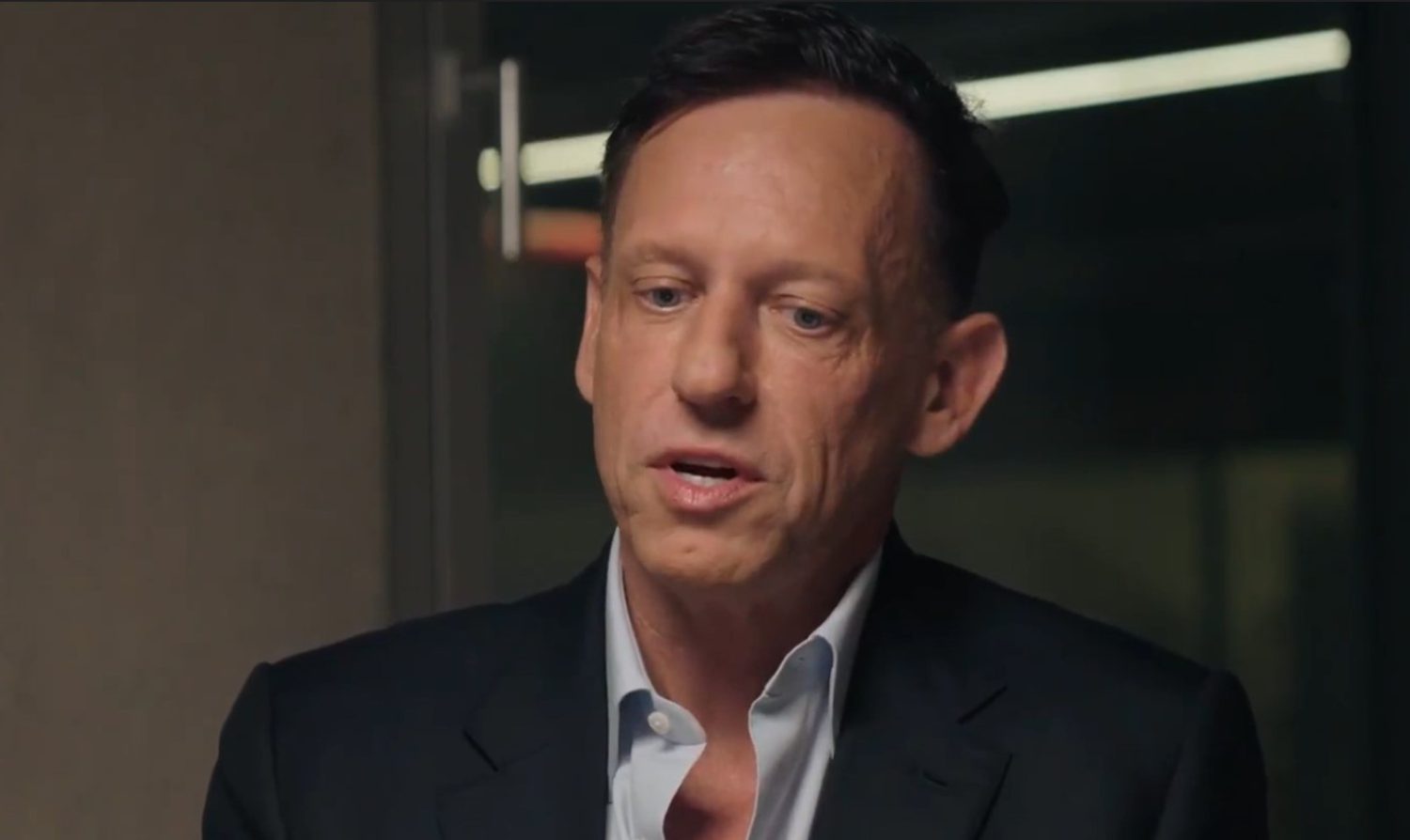
That is the situation Flock Safety CEO Garrett Langley reportedly finds himself in. His company operates automated license-plate-recognition networks across the country. Those networks capture plate observations tied to locations and times, and Langley has publicly called for a national “compromise” between privacy and safety.
What the Internet Claimed Happened
A reported wave of online mockery turned a corporate privacy debate into something considerably more chaotic.
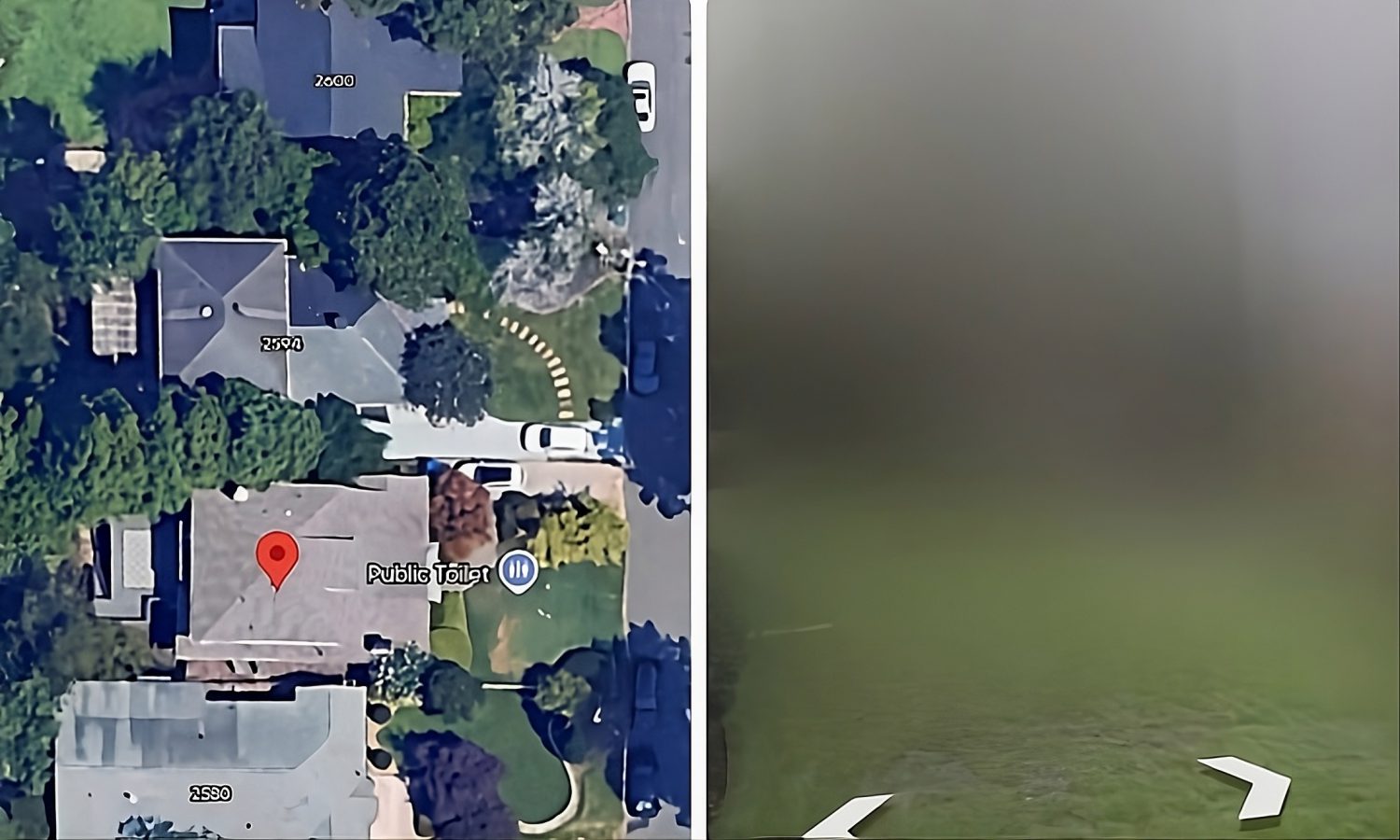
Social media users circulated what they described as Langley’s residential address alongside images of a home they said was his. Newsweek reported the address-sharing but did not independently verify the address and did not publish it.
The pile-on escalated. According to lower-authority reporting, some users allegedly attempted to label the property as a “public toilet” on Google Maps. That move turned a privacy debate into a piece of internet performance art. Who created the listing, whether it stayed up, or whether the property was physically affected all remain unconfirmed.
What Is Not Verified
The Street View blur at the center of this story proves exactly one thing: someone eligible submitted a request.
Google allows homeowners or tenants to request a permanent blur of a residence, subject to an eligibility certification and proof of address. A blurred home is not evidence of hypocrisy, guilt, or even that Langley requested the blur himself.
Property ownership, current residence, and who submitted any privacy request are all unconfirmed. The alleged address was not verified by reputable outlets, and this article will not amplify it. Publishing an unverified address creates real safety risk, even for a public executive.
The Actual Point Worth Debating
Strip away the unverified details and the public-toilet trolling, and what remains is a legitimate question.
That gag lands somewhere between a Ring camera footage controversy and a protest sign written in Comic Sans. Flock Safety’s cameras capture where ordinary people drive, and the company’s CEO has framed that surveillance as a necessary societal trade-off.
Whether executives at surveillance companies shield their own privacy while asking the public to accept less is a question that deserves serious scrutiny. It does not deserve a crowdsourced prank on Google Maps. Reputable outlets withheld the alleged address because doxxing is not criticism. The line between the two matters, especially when the argument you are trying to win is actually about privacy rights.