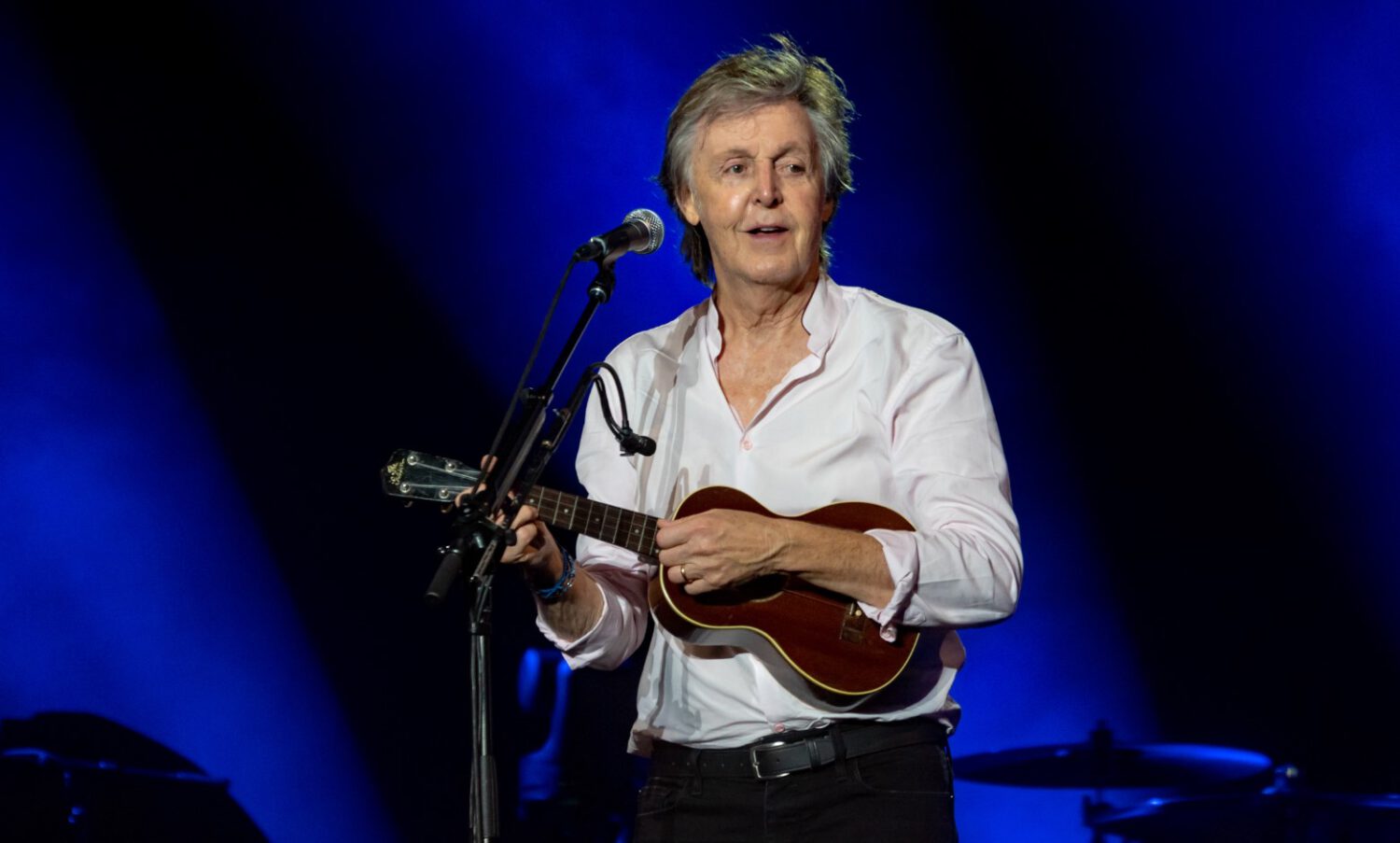
Forbes estimates Paul McCartney’s net worth at at least $1.4 billion, placing him third on the list of the world’s richest musicians. Jay-Z leads at $2.8 billion, Taylor Swift sits at $2 billion, and McCartney trails them with a fortune assembled across six decades of songwriting, ownership battles, and corporate structure.
The ranking is a snapshot, not a permanent ledger. Forbes estimates can shift with catalog valuations, market conditions, and new transactions.
The Architecture of $1.4 Billion
The wealth rests on four distinct pillars, each generating income or asset value independently of McCartney’s creative output.
MPL Communications is the foundation. McCartney founded the publishing company in 1969, and Forbes values it at at least $250 million. Its holdings extend well beyond his own catalog, encompassing thousands of copyrights tied to other artists, Broadway material, and widely known standards. Forbes estimates the portfolio likely generates tens of millions of dollars in annual revenue.
His 25% share of Beatles-related Apple Corps income adds another major layer. Forbes estimates Apple Corps generates more than $50 million annually from Beatles streaming, vinyl sales, and merchandise, with Forbes placing each quarter-owner’s income stream at more than $150 million.
Beatles songwriting royalties contribute at least $10 million per year and carry an estimated value of no less than $200 million, per Forbes. That figure reflects McCartney’s legal efforts to strengthen his royalty position on the catalog he co-wrote with John Lennon.
Tangible assets round out the picture: international touring revenue, real estate in the United Kingdom and the Hamptons, and an art collection that includes works by Pablo Picasso and René Magritte.
Ownership Is the Business Model
McCartney’s financial arc follows the same pattern now visible across the industry’s wealthiest names: the richest musicians own things.
Taylor Swift spent years re-recording her early albums to establish competing versions of her catalog and regain meaningful control over her recordings. Jay-Z built significant portions of his fortune through equity stakes in businesses including Tidal, Armand de Brignac champagne, and D’Ussé cognac, assets that compound independently of touring activity.
Publishing rights generate recurring revenue through streaming, synchronization licensing for film and advertising, public performance fees, and reproduction rights. That income continues without a live performance, which distinguishes it from touring revenue that depends on active schedules.
Still Working at 83
McCartney’s billionaire status has arrived alongside a period of continued creative output, not retirement.
McCartney released “The Boys of Dungeon Lane” on May 29, 2026, his first solo album in more than five years, according to his official website. The record arrived alongside a separate career retrospective: “Man on the Run,” a documentary directed by Morgan Neville that examines McCartney’s post-Beatles years and his work building Wings, featuring previously unreleased music and archival footage, according to NPR and McCartney’s official site.
The Setlist and the Balance Sheet
The numbers Forbes has assembled suggest that in the modern music business, catalog control can outlast and outpace the stage.
McCartney’s $1.4 billion fortune, as Forbes estimates it, reflects decades of active publishing management, legal work, and corporate ownership alongside the performances. The most durable assets in that picture are the copyrights themselves, not the concerts that first made them famous.