Scrolling through TikTok just became more dangerous than you think. AI-generated deepfakes of Taylor Swift and Rihanna are flooding the platform, promoting fake rewards programs that harvest your personal data. These aren’t obvious scams with broken English—they’re sophisticated fakes using real celebrity footage with AI voice cloning that slip past TikTok’s detection systems.
The Celebrity Con Game Gets an AI Upgrade
Scammers manipulate real interview footage to create convincing endorsements
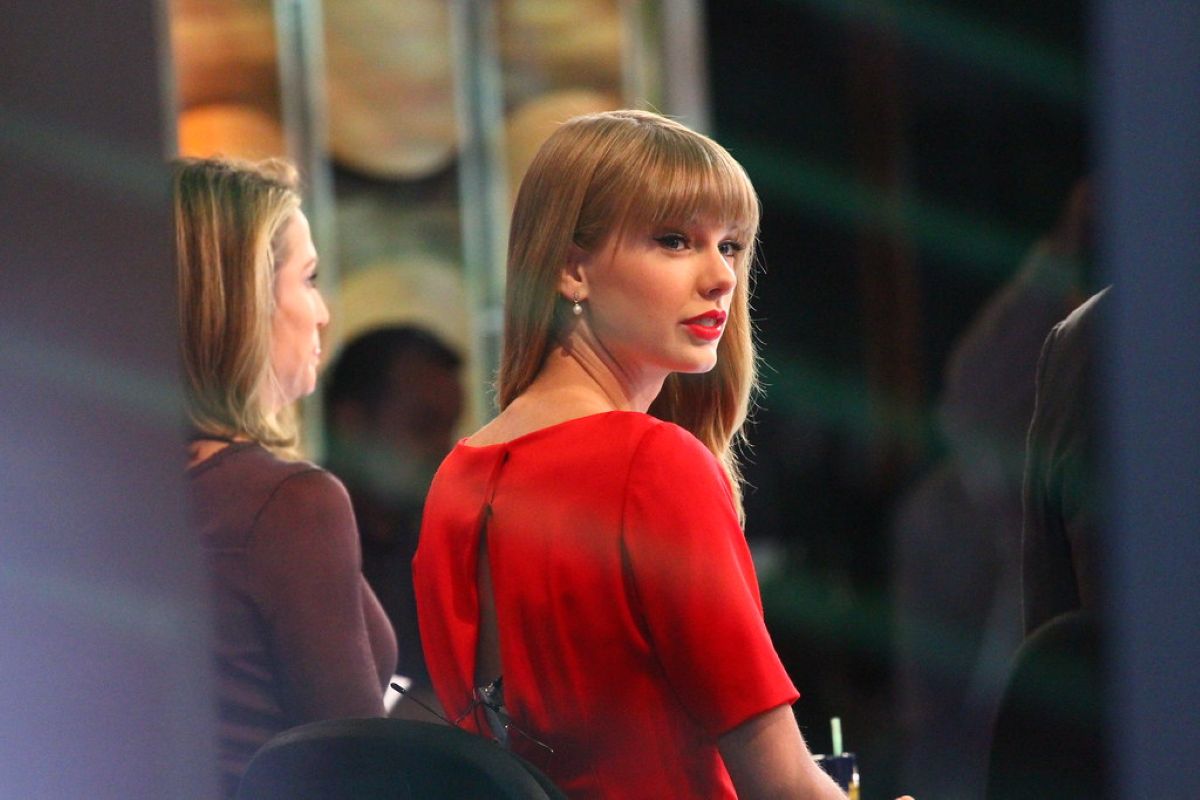
These sophisticated operations take legitimate footage from Swift’s red carpet appearances or podcast interviews, then use AI to clone her voice promoting fraudulent TikTok Pay-style programs. The deepfakes promise users easy money for watching content and providing feedback, exploiting both celebrity trust and the creator economy’s familiar reward structures. The fake endorsements redirect to phishing sites designed to steal personal information, achieving realism that evades platform moderation.
Platform Whack-a-Mole Fails to Keep Pace
Major social media companies struggle with massive AI scam volumes
TikTok faces a crisis shared across platforms. YouTube recently removed over 1,000 AI scam ads featuring fake celebrity endorsements that accumulated 200 million views before detection. Meta acknowledges facing enormous volumes of daily scam ads across its platforms. The sheer scale overwhelms human moderators, while AI detection systems struggle to identify sophisticated deepfakes that achieve near-perfect realism using increasingly accessible software.
Your Eyes Can’t Trust What They See Anymore
Traditional scam detection methods fail against AI sophistication
Real people are losing substantial money to these AI cons, with deepfake fraud projected to cause billions in losses. Traditional red flags like poor video quality or awkward delivery no longer apply when scammers can create professional-grade content. Tools like voice cloning services make professional-quality deepfakes accessible to any scammer with basic tech skills and minimal investment.
The next time a celebrity slides into your TikTok feed with a too-good-to-be-true offer, remember: if it sounds like easy money, it probably isn’t them talking. Your skepticism might be your wallet’s best protection.