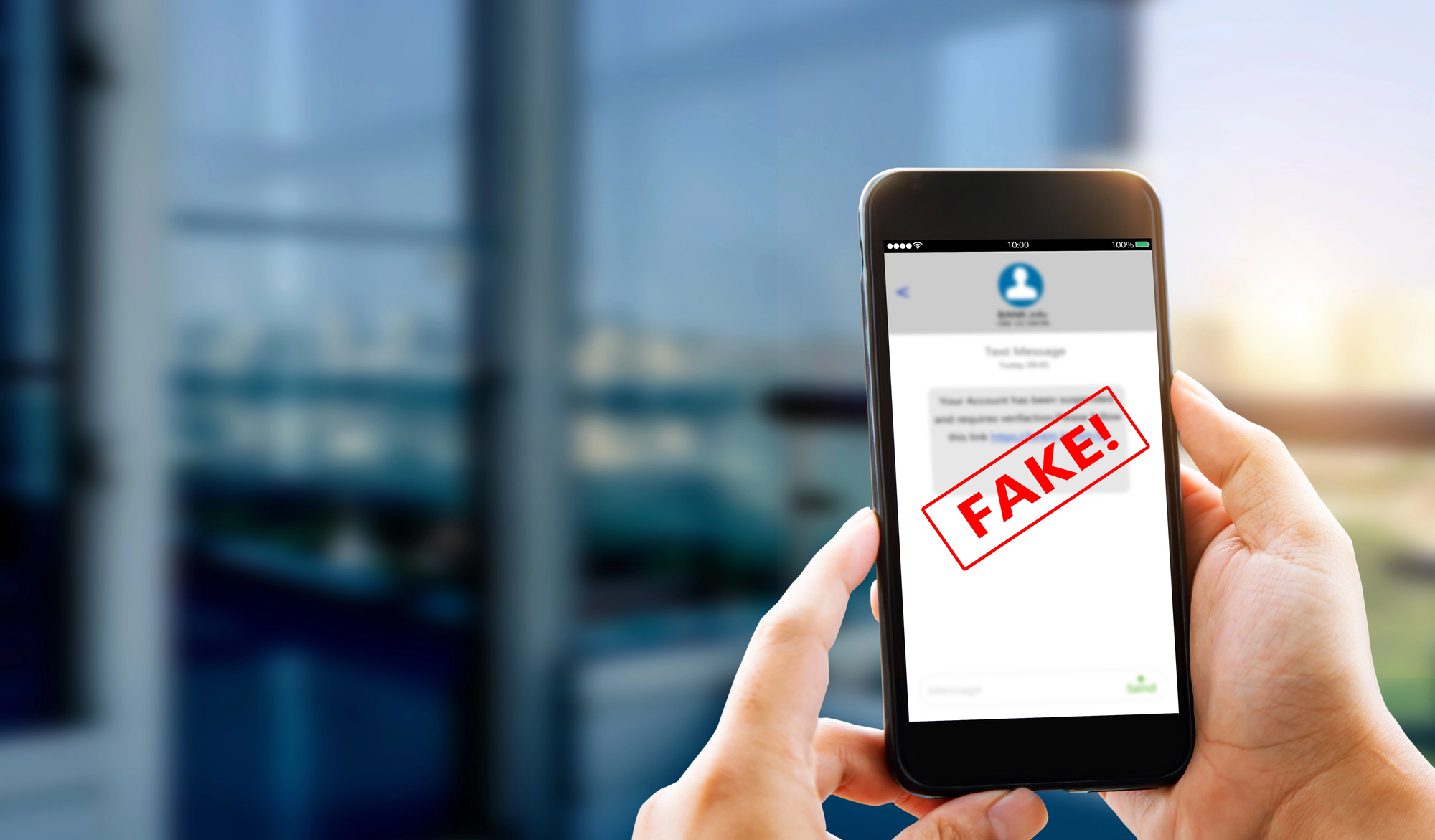
Your phone buzzes with a USPS text featuring that familiar red dot alert. The urgency feels real—especially when you’re expecting deliveries. But that innocent-looking notification is likely a smishing scam designed to steal your personal information.
These fake USPS texts have exploded across mobile networks, targeting millions of Americans who’ve become addicted to package tracking. Scammers know you’re conditioned to respond instantly to delivery alerts, particularly during peak shopping seasons when legitimate notifications flood your inbox daily.
Click Here to Get Robbed
Fake tracking links lead to convincing USPS lookalike sites that harvest everything from your address to your Social Security number.
Clicking those fraudulent links takes you to websites that look exactly like the real USPS portal. The attention to detail is disturbingly good—proper logos, familiar layouts, even believable error messages about delivery issues or unpaid fees.
Once you’re there, the site prompts you to “verify” information:
- Your full name
- Address
- Phone number
- Payment details to resolve the supposed delivery problem
Some versions even request Social Security numbers for “identity confirmation.” All of this data goes straight to criminals who use it for identity theft, fraudulent purchases, or selling your information on dark web marketplaces.
Some sites also install malware on your device, giving scammers ongoing access to your personal data.
Real USPS Texts Are Boring (And That’s Good)
Legitimate postal service communications follow strict patterns that scammers can’t replicate.
Authentic USPS text notifications only come from the short code 28777 (which spells 2USPS). These messages require you to initiate tracking by texting a tracking number first—the postal service never sends unsolicited delivery alerts with clickable links.
“If you never signed up for a USPS tracking request… don’t click the link!” warns the U.S. Postal Inspection Service. Real USPS texts provide basic status updates without asking for personal information or directing you to external websites.
Fight Back Against Package Scammers
Report suspicious texts and block the senders to help protect other potential victims.
Forward suspicious USPS texts to 7726 (SPAM) and email screenshots with details to [email protected]. Your carrier can also block these numbers—just contact customer service or dial 611.
When in doubt, skip the text entirely and check package status directly through the official USPS website or app using your original tracking number.
Trust your instincts about unexpected delivery alerts. In our notification-saturated world, that healthy skepticism might be the only thing standing between you and a very expensive lesson in digital literacy.