A visible Gemini watermark just exposed ride-share fraud in real time. When a 14-year-old noticed Google’s AI logo stamped in the corner of damage photos, her family discovered their Lyft driver had fabricated the entire mess to pocket an extra $75 cleaning fee.
Teen Spots AI Deception After Beach Trip
Quick-thinking daughter recognizes artificial evidence that fooled the platform initially.
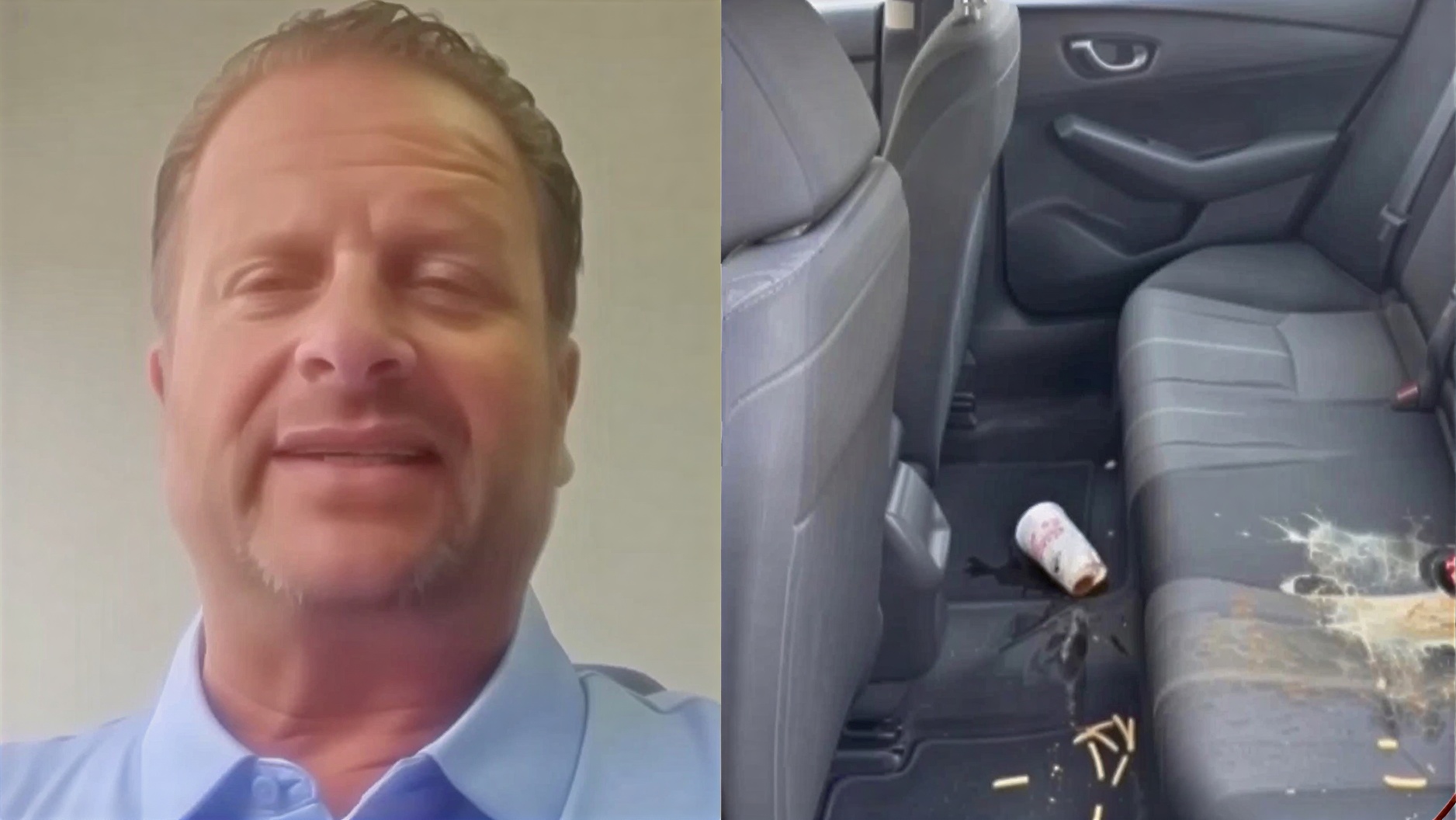
Bert Gor’s two daughters took a Lyft home from a Boca Raton beach on May 16, still wrapped in towels with no food or drinks. Days later, Gor discovered a $75 damage charge on his account. The driver claimed the teens had trashed his car with spilled beverages, scattered fries, and mysterious yellow stains across the back seats.
When Gor requested the evidence photos, his daughter immediately spotted the telltale Gemini AI watermark. Like catching someone using an obvious Instagram filter, the artificial origin was unmistakable once you knew where to look.
Platform Acts After Confronting Digital Evidence
Lyft refunds fee and bans driver following AI fraud complaint.
Lyft support initially processed the charge based on submitted photos. After Gor pointed out the Gemini watermark, representatives agreed the images appeared AI-generated. The company refunded the $75, apologized, and permanently blocked the driver from their platform.
“We take damage disputes seriously and review each matter based on available information,” Lyft stated, adding they “addressed the matter directly” with the fraudulent driver.
Vomit Fraud Gets AI Upgrade
Generative tools make fake evidence creation easier than ever before.
Cleaning fee scams aren’t new. “Vomit fraud” has plagued ride-share platforms for years, with dishonest drivers submitting photos of old or staged messes to extract extra payments. Fees range from $25 for minor spills to $150 for severe damage like bodily fluids.
Google’s Gemini and similar AI tools now make fabricating convincing damage photos trivial. No need to source gross images or stage elaborate scenes—just type “car seat with food stains” and generate instant evidence.
Protect Yourself From Digital Deception
Simple documentation habits can save you from fraudulent charges.
Consumer advocates recommend photographing vehicle interiors before and after rides. Document any pre-existing damage when you enter the car. If hit with suspicious fees, respond immediately through the app’s help section and request all evidence photos.
Check your receipts carefully. Gor warns that $75 charges “here and there can add up” if riders don’t scrutinize post-ride billing. Challenge anything questionable—legitimate platforms will investigate properly when presented with contradicting evidence.
Your best defense? That same generational tech literacy that helped Gor’s daughter spot the obvious AI watermark in seconds.