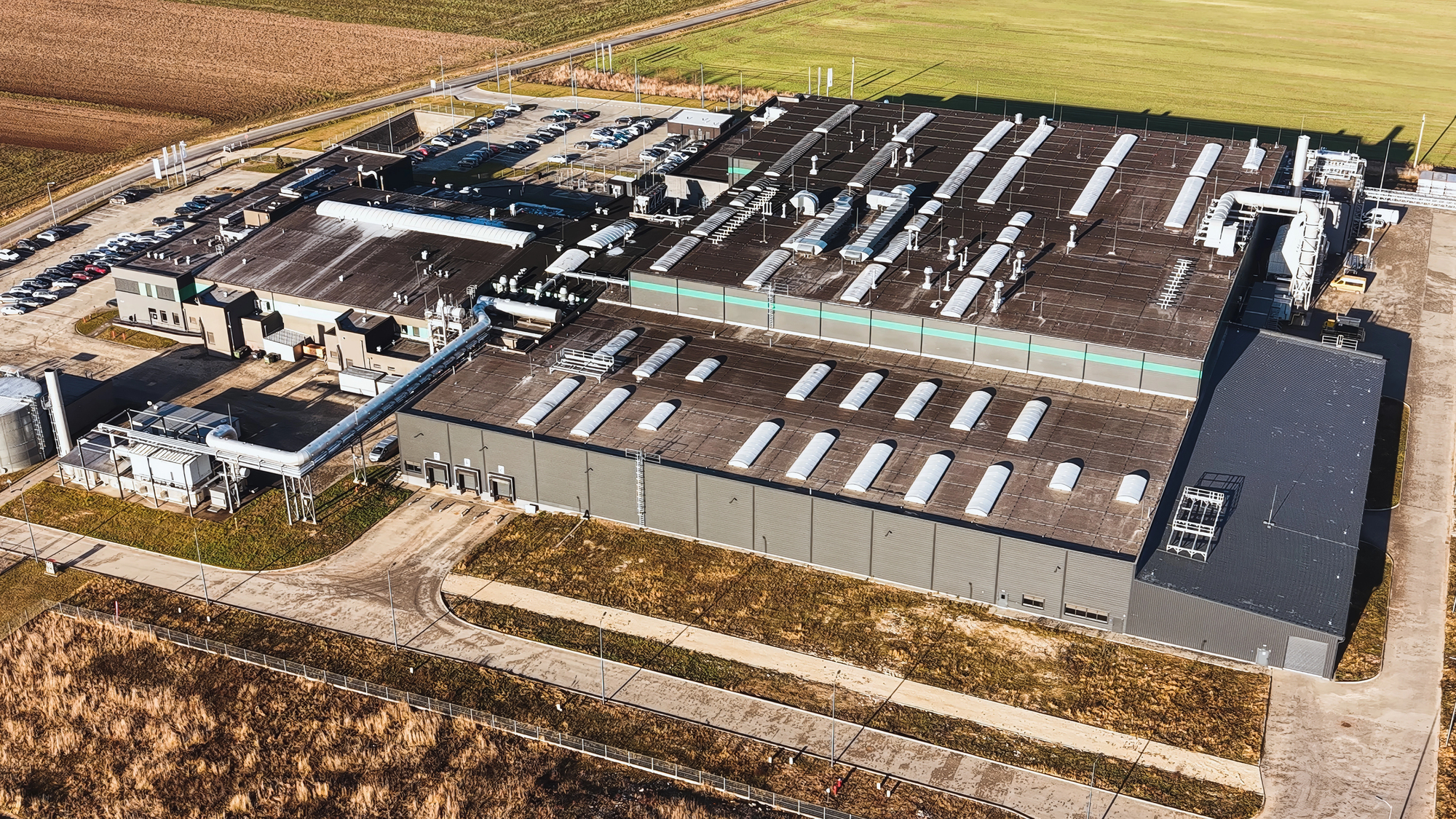
Saline Township, Michigan, just became ground zero for a very expensive game of chicken. Oracle and Blackstone secured $16 billion in financing for a data center campus that would consume 1.4 gigawatts of power—enough electricity for a small city. The township board promptly rejected the rezoning request, blocking the project on prime farmland.
This isn’t just local politics; it’s emblematic of a national uprising against Big Tech’s infrastructure ambitions. Communities are organizing faster than tech giants anticipated, yet the money keeps flowing at unprecedented levels.
The Trillion-Dollar Collision Course
Hyperscalers are doubling down on spending while opposition groups multiply across the country.
The math behind this standoff reveals the scale of competing forces. While specific industry spending projections vary, Big Tech continues massive infrastructure investments despite rising project cancellations. You’re witnessing organized opposition groups across dozens of states pushing back against an industry that views local permits like traffic lights—temporary inconveniences on the highway to AI dominance.
The irony cuts deep: communities are mobilizing to block projects worth billions while tech companies treat these delays as routing problems rather than existential barriers.
Why Your Neighbors Are Saying No
Data centers bring concentrated industrial impacts that utilities and taxpayers often subsidize.
The concerns aren’t abstract. These facilities demand massive electrical capacity, strain water systems, generate noise, and often secure tax incentives that shift costs to residents. When DTE Energy sought approval for power contracts tied to the Saline project, locals protested what felt like socializing infrastructure costs while privatizing profits.
Public opposition appears remarkably broad-based—these projects feel imposed rather than invited, like having someone else’s industrial revolution dropped in your backyard.
The Unstoppable Force Meets Immovable Objects
Revenue growth and debt markets give hyperscalers staying power despite mounting resistance.
Big Tech isn’t blinking. Cloud revenue growth continues at a breakneck pace across major providers, giving companies confidence to pursue aggressive infrastructure buildouts. They’re treating blocked projects as temporary setbacks rather than fundamental challenges to their expansion plans.
State governments are responding with regulatory pushback in multiple states, signaling that resistance is becoming institutionalized. The question isn’t whether communities can stop the data center boom entirely. It’s whether they can force it to happen on better terms—or watch democracy get steamrolled by algorithmic necessity.