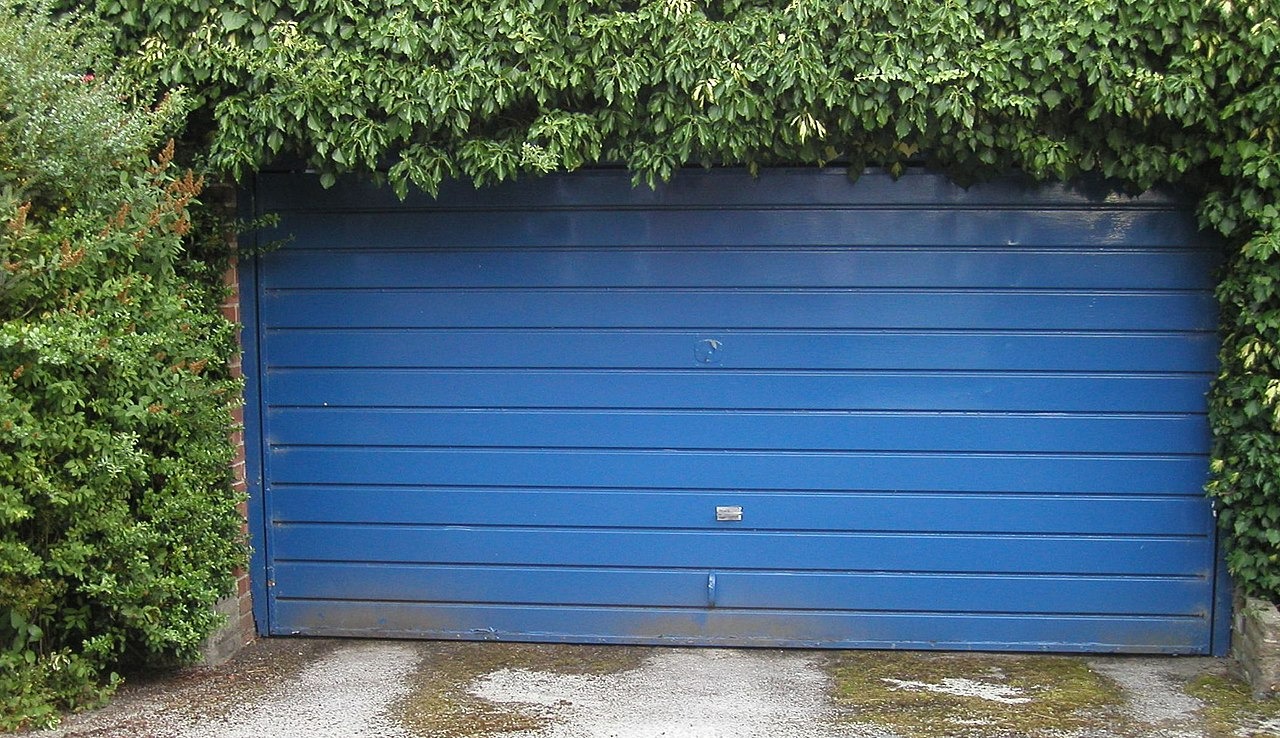
You know that sinking feeling when your smart home suddenly gets dumber? Your garage door automations stop working, your favorite app demands a subscription, or features you relied on disappear overnight. Paul Wieland got tired of this corporate bait-and-switch and decided to fight back—starting with his garage door opener.
The MyQ Betrayal: When ‘Smart’ Becomes Stupid
Chamberlain’s MyQ system originally played nice with other smart home platforms. You could integrate your garage door with HomeKit, Google Home, or custom automations without thinking twice. Then Chamberlain decided that convenience should cost extra. The company restricted third-party access and steered users toward paid partnerships, effectively breaking automations that homeowners had spent months perfecting.
This wasn’t just about garage doors—it was Netflix removing shows from your queue, but for hardware you actually own. Suddenly, the smart home you built to eliminate friction became another subscription headache. Your garage door opener transformed from a reliable appliance into a monthly payment plan.
RATGDO: Open Source Rebellion in Your Garage
Enter RATGDO (“Rage Against the Garage Door Opener”), Wieland’s middle finger to corporate overreach. This small Wi-Fi board wires directly into Chamberlain and LiftMaster openers, delivering what MyQ originally promised: local control through ESPHome, HomeKit, or simple dry contacts. No servers, no subscriptions, no company deciding your hardware’s fate from afar.
RATGDO’s open-source firmware means you control updates and modifications forever. It’s the jailbreaking approach applied to garage doors—reclaiming agency over devices you supposedly own. While tech giants play subscription roulette with features, Wieland’s solution puts power back in homeowners’ hands.
The broader pattern extends far beyond garages. BMW charges monthly fees for heated seats. Sleep trackers paywall your own health data. Printers reject third-party ink unless you maintain subscriptions. This creeping “everything-as-a-service” mentality treats ownership as a temporary privilege.
RATGDO represents more than clever engineering—it’s proof that local control and user ownership remain possible when mainstream products embrace cloud dependency. Until right-to-repair laws catch up with corporate greed, your best defense involves choosing “dumb” products or those explicitly supporting open standards. The garage door rebellion might seem niche, but it’s actually the front line of a much bigger fight over who controls your stuff.