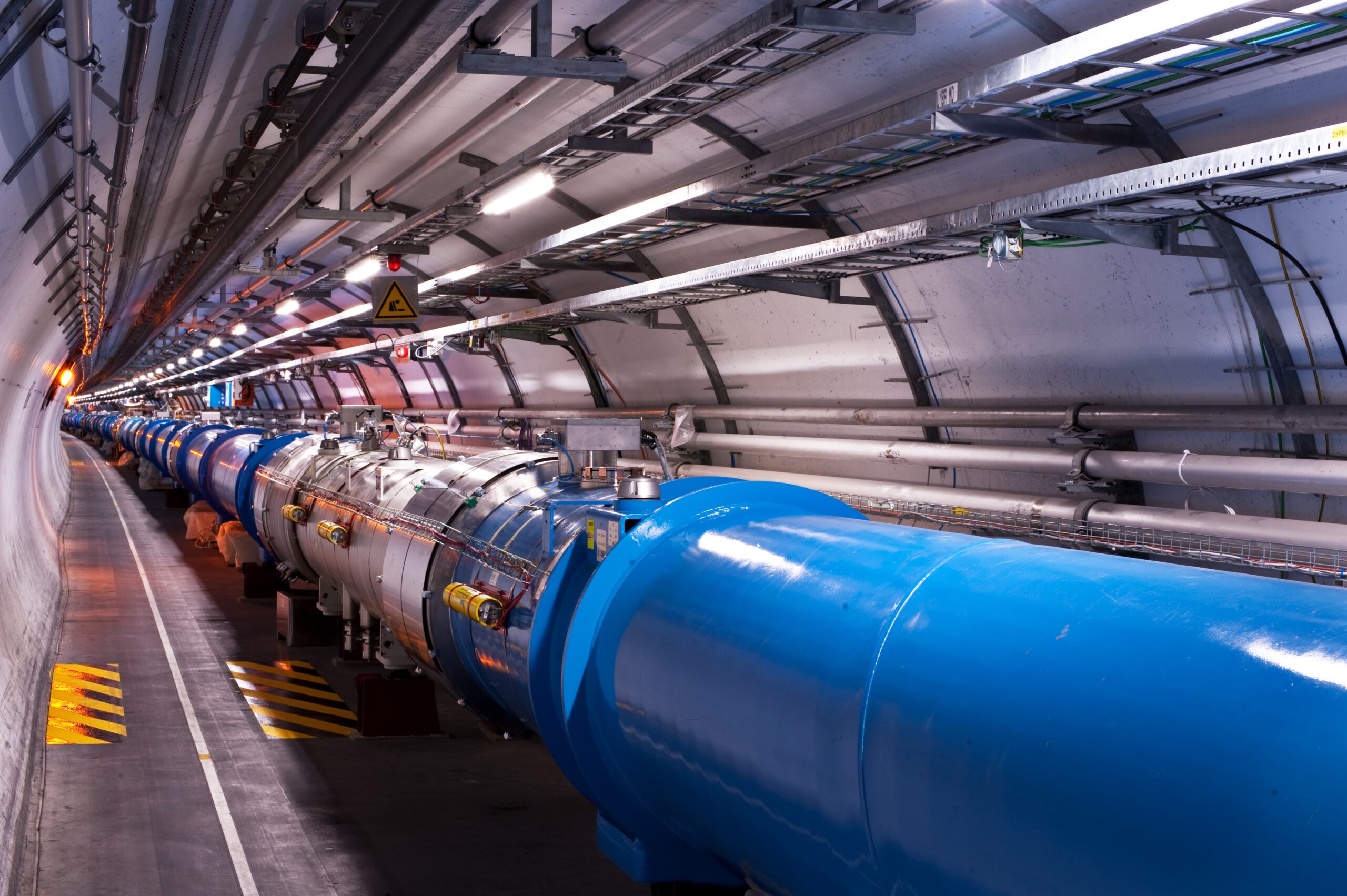
Dead heating bills during energy crises hurt families, but CERN’s ingenious heat recovery system turns physics research into home comfort. The Large Hadron Collider, famous for smashing particles at near-light speed, now channels its waste heat directly into Ferney-Voltaire’s district heating network. Instead of venting thermal energy into the atmosphere like a giant industrial exhale, two 5-megawatt heat exchangers capture hot water from the LHC’s cooling systems and route it to warm several thousand homes.
From Particle Physics to Practical Warmth
The system prevents thousands of tonnes of CO2 emissions while keeping the accelerator cool.
This isn’t just clever engineering—it’s environmental pragmatism at scale. Since January 2026, the Point 8 facility has supplied up to 5 megawatts of thermal energy, with potential to double during full LHC operations. “Hot water initially passes through two 5-MW heat exchangers, which transfer thermal energy to the new heating network,” explains Nicolas Bellegarde, CERN’s energy coordinator.
Think of it like capturing exhaust heat from your gaming PC, except this “computer” spans 27 kilometers and operates at temperatures colder than outer space. The network, inaugurated December 2025, replaces gas and electric heating with recycled thermal energy from fundamental physics research.
The Netflix Effect for Industrial Heat Recovery
CERN’s approach could inspire data centers and AI facilities to rethink their thermal waste.
Your favorite streaming service burns massive energy cooling servers. CERN’s model proves that industrial heat recovery scales beyond tech campuses to entire communities. Even during the planned Long Shutdown 3 starting summer 2026, the system maintains 1-5 megawatts of supply for most months.
This ISO 50001-certified strategy targets 7-30 gigawatt-hours in annual energy savings across CERN’s facilities. The approach mirrors broader trends in circular energy systems where industrial byproducts become community resources.
When Particle Smashing Pays the Heating Bill
The project transforms abstract physics research into tangible community benefits.
The irony hits perfectly: equipment designed to probe the universe’s fundamental mysteries now provides the most basic human comfort. Future expansions target CERN’s Prévessin data center and Point 1 cooling towers, creating a blueprint for industrial symbiosis.
You’re witnessing scientific infrastructure evolve from isolated research facility to integrated community resource—proof that breakthrough physics and practical sustainability aren’t mutually exclusive.