The smart home sector hit $121.6 billion in 2024 and is projected to reach $147.5 billion by 2025, according to IoT Breakthrough. Anyone still wrestling with dumb gadgets in 2026 might as well be using a rotary phone to order DoorDash. This list focuses on tech that actually delivers: seamless automation, real energy savings, and gadgets smart enough to avoid torching your house.
This content may contain affiliate links. If you wish to support us and use these links to buy something, we may earn a commission.
9. RGB LED TVs
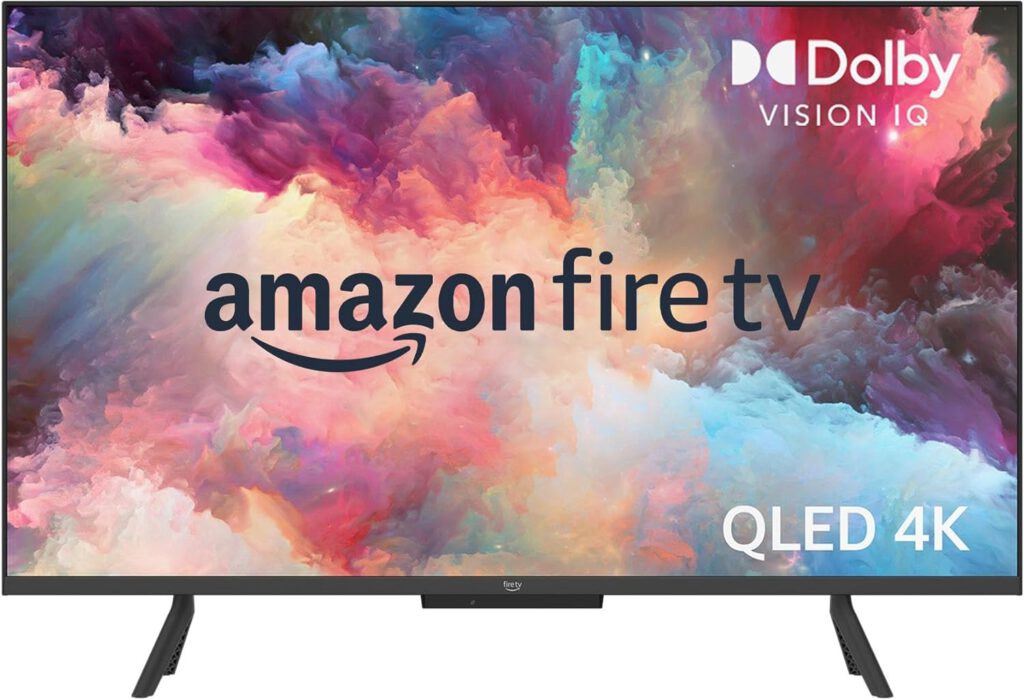
These displays promise backlighting so vibrant, they make your current screen look like a flip phone.
CES 2026 showcased market-ready RGB LED TVs bringing superior backlighting for displays that rival reality itself. Think of upgrading from dial-up internet to fiber optics, but for your eyeballs. Colors pop like fireworks on New Year’s Eve, transforming your living room into a visual playground.
Setting up a home theater that doesn’t scream “early 2000s nostalgia”? These TVs deliver the goods. The improved backlighting technology ensures every Netflix binge feels cinematic. Who needs sunlight when your screen radiates this much brilliance?
8. AI Wearables
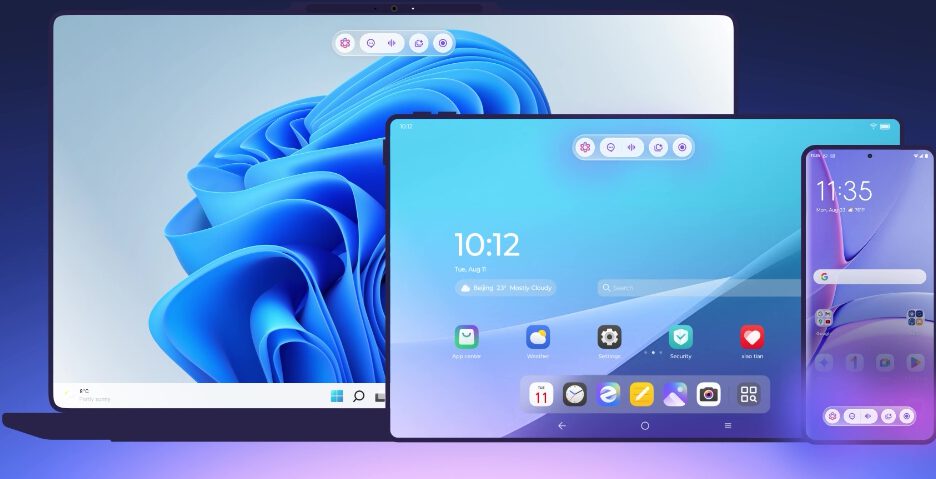
External brains like the Lenovo Qira pendant prioritize portable AI assistance over step counting.
At CES 2026, AI wearables ditched fitness metrics for cognitive heavy lifting. Instead of obsessing over calories, devices like the Lenovo Qira pendant offer Jarvis in your pocket. Less gym rat, more pocket professor—finally, accessories that earn their keep.
These wearables represent overdue evolution from glorified pedometers to actual productivity tools. In a world demanding constant mental juggling, why shouldn’t our accessories shoulder some cognitive grunt work? The future might even pick matching socks for us.
7. LiDAR-Equipped Robot Lawn Mowers
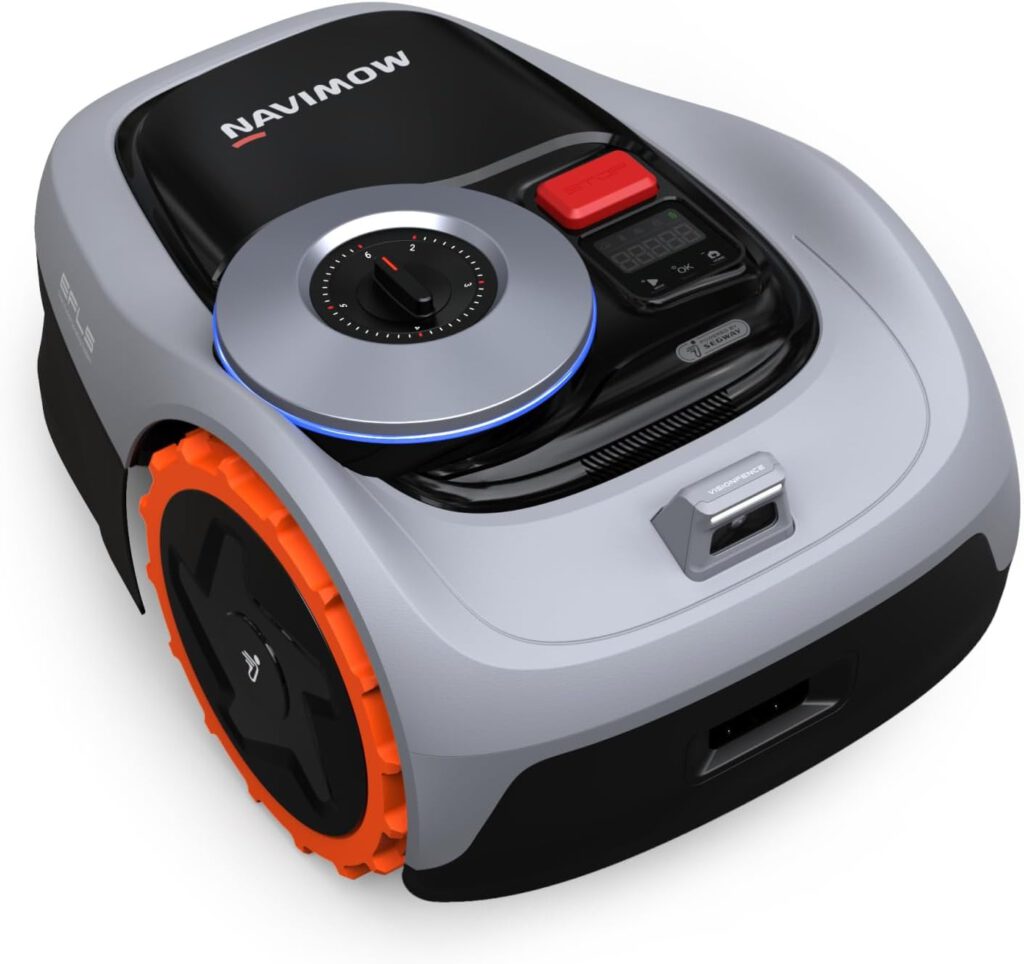
“Lawnbots” navigate complex yards like caffeinated Roombas with laser-guided precision.
Weekend lawn care ranks somewhere between root canals and tax prep on the fun scale. LiDAR-equipped robot lawn mowers launching in 2026 promise to liberate homeowners from this suburban ritual. These bots transform complex landscapes into simple 3D maps.
Watching these machines effortlessly dodge prized rose bushes beats manual mowing by miles. The laser-guided precision eliminates the bumbling, erratic patterns of older models. Finally, weekend freedom without the inevitable missed spots and mulched flower beds.
6. Smart Glasses
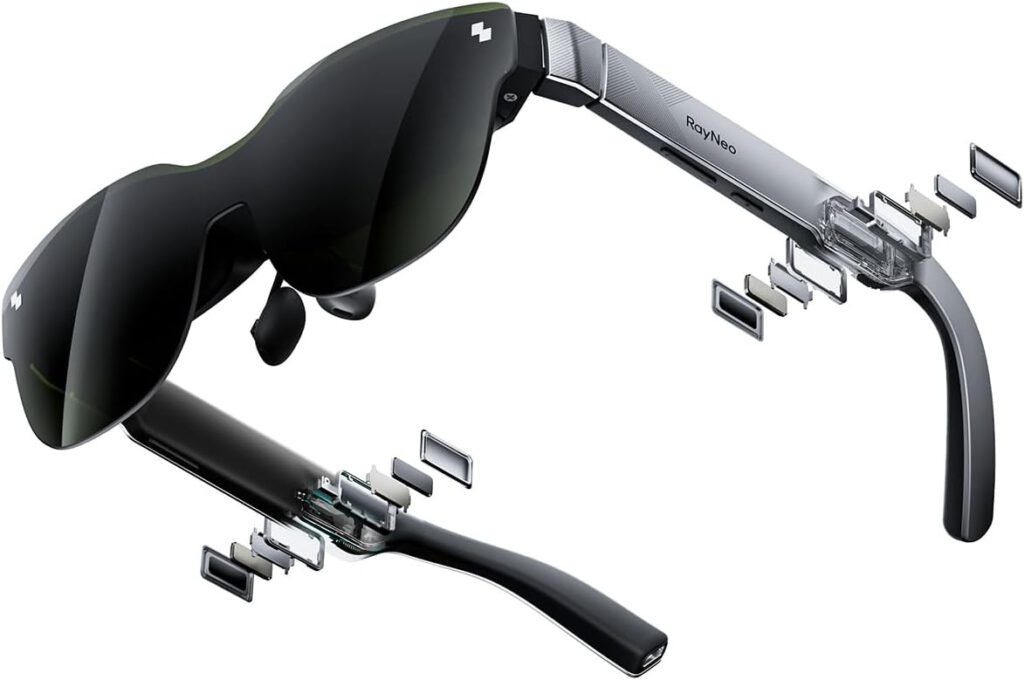
Asus ROG Xreal R1 glasses deliver 240Hz augmented reality that makes addiction literally inescapable.
Smart glasses hit mainstream at CES 2026, with models like the Asus ROG Xreal R1 offering buttery-smooth 240Hz AR for gaming. RayNeo’s eSIM glasses eliminate phone dependency—like strapping a smartphone to your face minus the social awkwardness of rectangle-holding.
Picture wandering Rome while your glasses overlay historical facts about the Colosseum. Peak tech culture meets European tourism, blending seamlessly into vacation memories. AR transforms everyday experiences into interactive adventures, though practicing your NPC walk might become necessary.
5. Humanoid Robots

LG CLOiD and SwitchBot Onero H1 demo impressive skills but reveal limitations that would make grandma scoff.
Humanoid robots remain more concept than reality in 2026. While CES demos showcased impressive laundry-folding abilities, these bots revealed significant limitations. Current models navigate an awkward space between ambitious promises and actual performance.
The SwitchBot Onero H1 and LG CLOiD aren’t replacing washing machines anytime soon. These expensive experiments risk becoming elaborate paperweights unless development accelerates dramatically. Sometimes rushing technology before maturity creates more frustration than convenience.
4. AI-Driven Smart Homes
Samsung Family Hub fridges read your mind by checking inventory, suggesting meals, and preheating ovens.
Smart homes in 2026 prioritize AI-driven intent interpretation over Jetsons fantasies. Asking your Samsung Family Hub fridge “What should I cook?” triggers inventory checks, meal suggestions, and automatic oven preheating. No more existential dinner debates—your appliances handle the thinking.
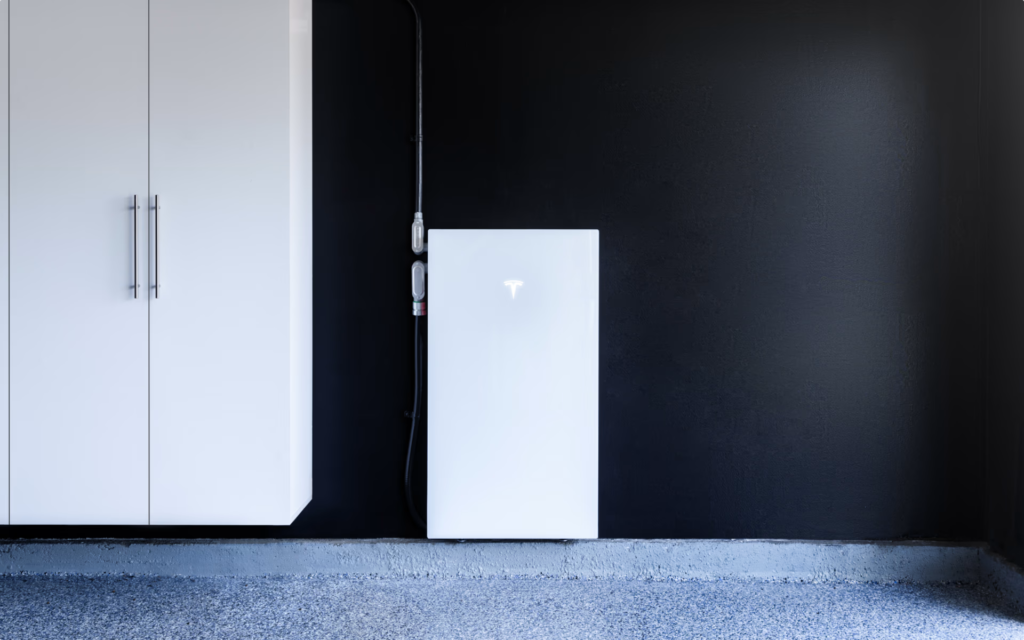
The OVAL smart home hub launches spring 2026 around $570, using on-device AI for privacy-focused automation. It locates misplaced keys, warns about burning food, and judges messy habits silently. Tesla Powerwall and Ecobee systems enable price-aware climate control, ending thermostat wars forever.
3. Price-Aware Energy Management
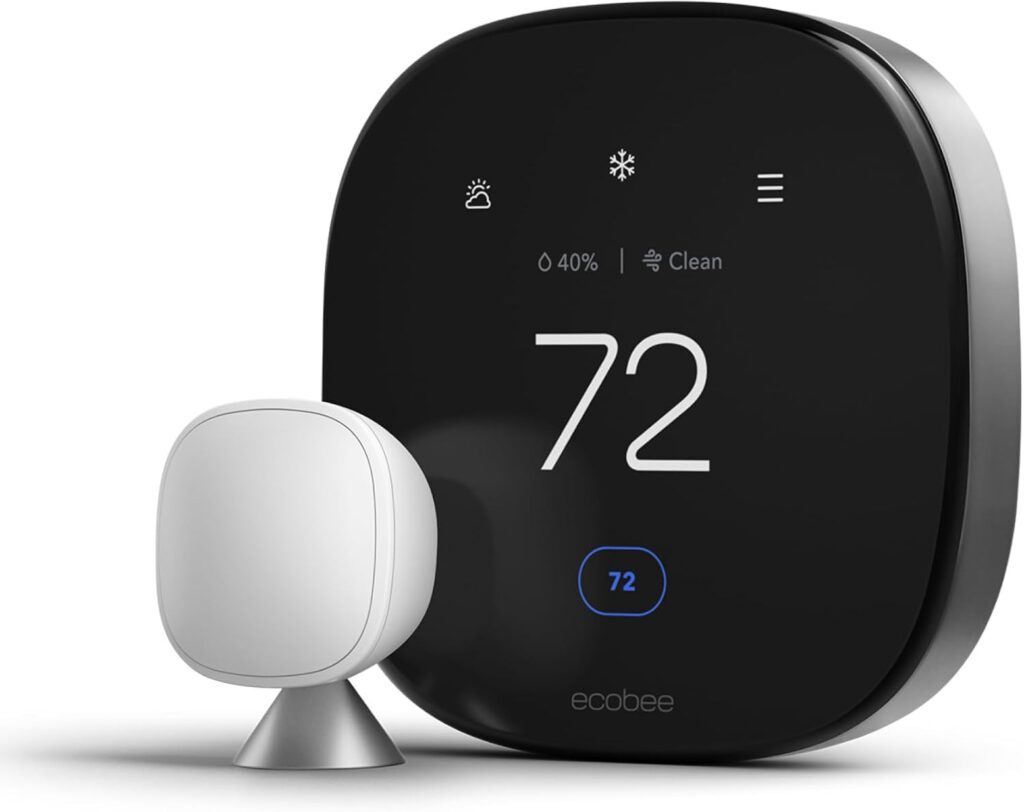
These systems earn finance degrees, responding to fluctuating electricity costs while balancing grid loads.
Energy management evolves beyond simple monitoring in 2026. Price-aware systems respond to fluctuating electricity costs automatically, like hiring a personal energy broker for your house. Room-by-room climate control eliminates family thermostat disputes once and for all.
Tesla Powerwall and Ecobee thermostats balance grid loads while optimizing comfort and savings. The smart home sector shows 23.1% CAGR growth, reflecting consumer appetite for intelligent automation that actually reduces bills.
2. Smart Kitchen Appliances
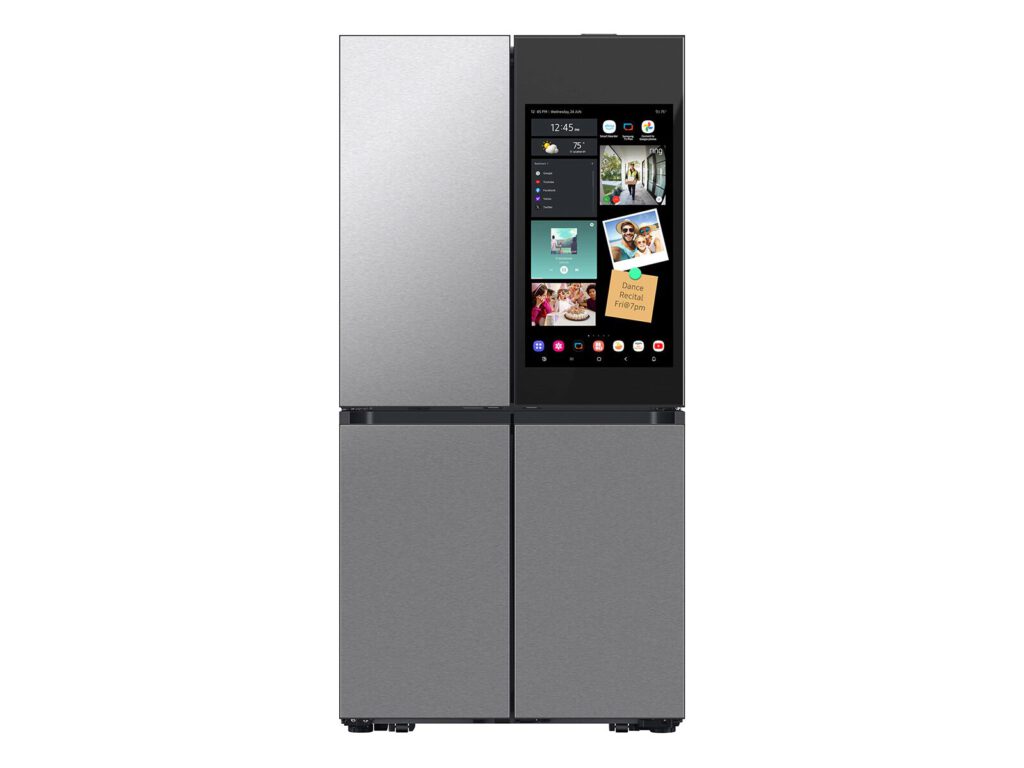
Samsung positions Android as kitchen command center, tracking groceries with hawk-like precision.
Samsung’s Bespoke AI Refrigerator transforms kitchens into command centers. Android integration tracks grocery inventory while suggesting meals based on available ingredients. The fridge preheats ovens automatically when cilantro approaches expiration dates.
Cooking without smart appliances in 2026 might feel as quaint as using paper maps for navigation. Sure, traditional methods avoid dystopian vibes, but discovering empty soy sauce bottles mid-stir-fry becomes a thing of the past.
1. OVAL Smart Home Hub
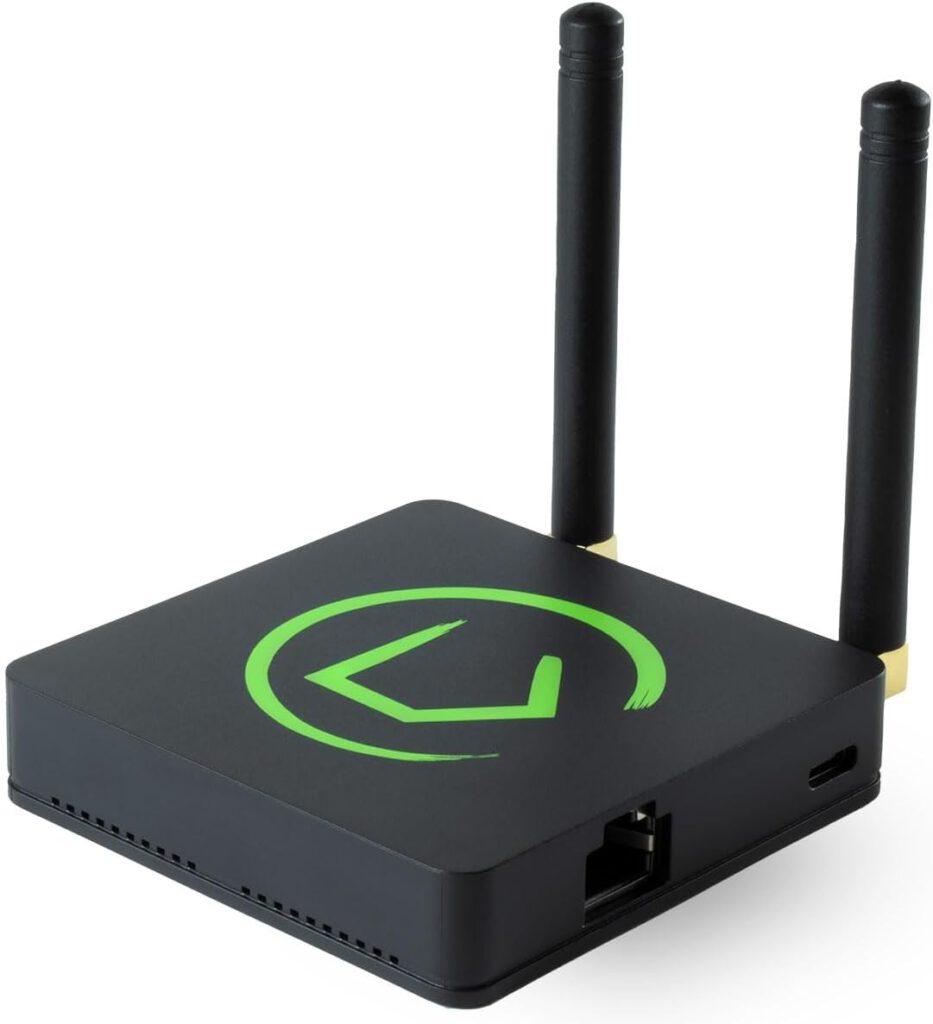
This $570 hub processes everything locally, keeping your data as private as closet whispers.
The OVAL hub launches Spring 2026 for approximately $570, prioritizing local data processing over cloud dependency. On-device AI handles burner alerts and item tracking without broadcasting your habits to corporate servers. Privacy-conscious homeowners finally get smart automation without surveillance anxiety.
Think gossiping in crowded bars versus whispering secrets in your closet—that’s cloud versus local processing. OVAL integrates with existing devices seamlessly, proving smart homes don’t require sacrificing privacy for convenience.