





What Does It Do Best?
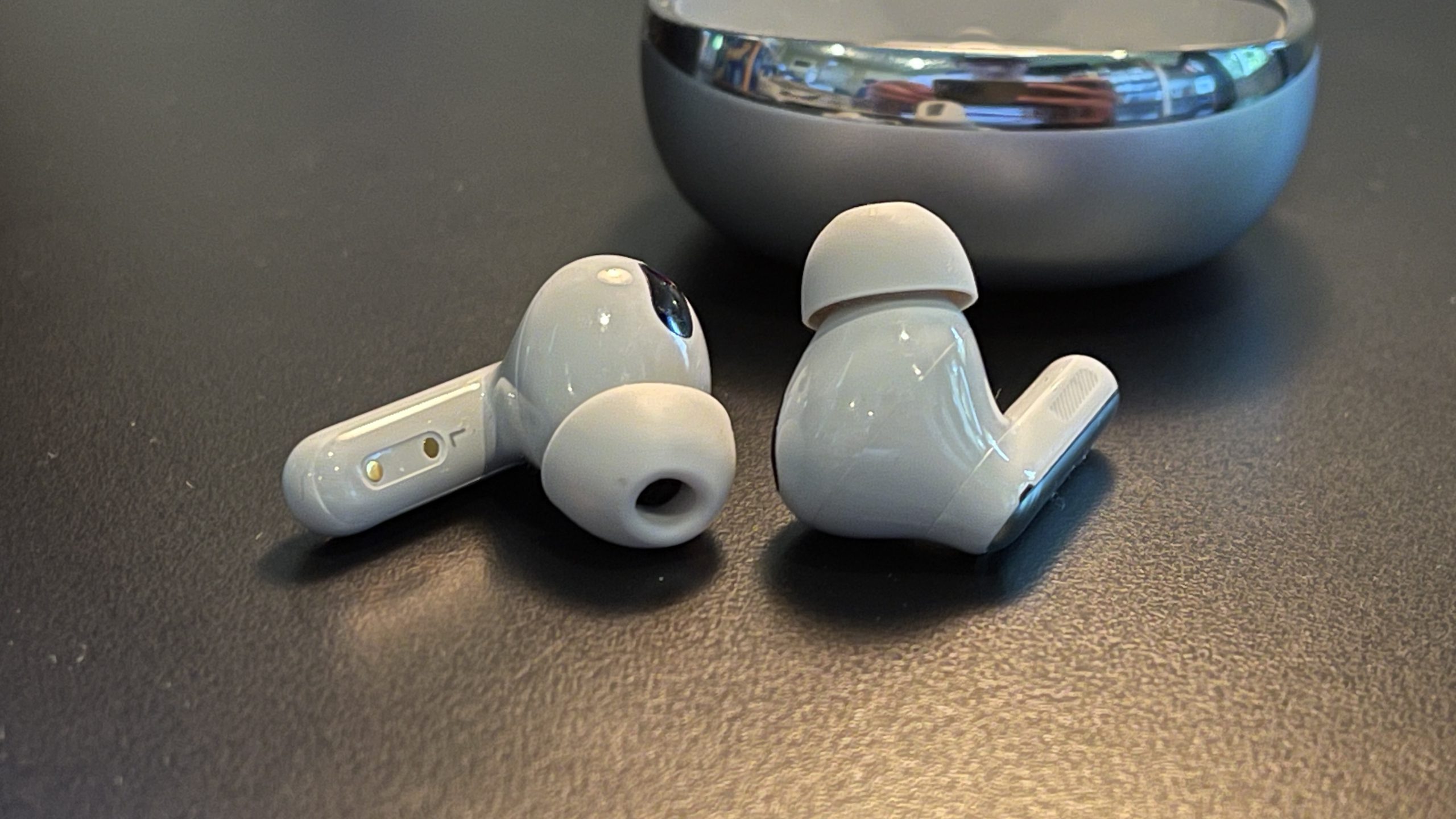
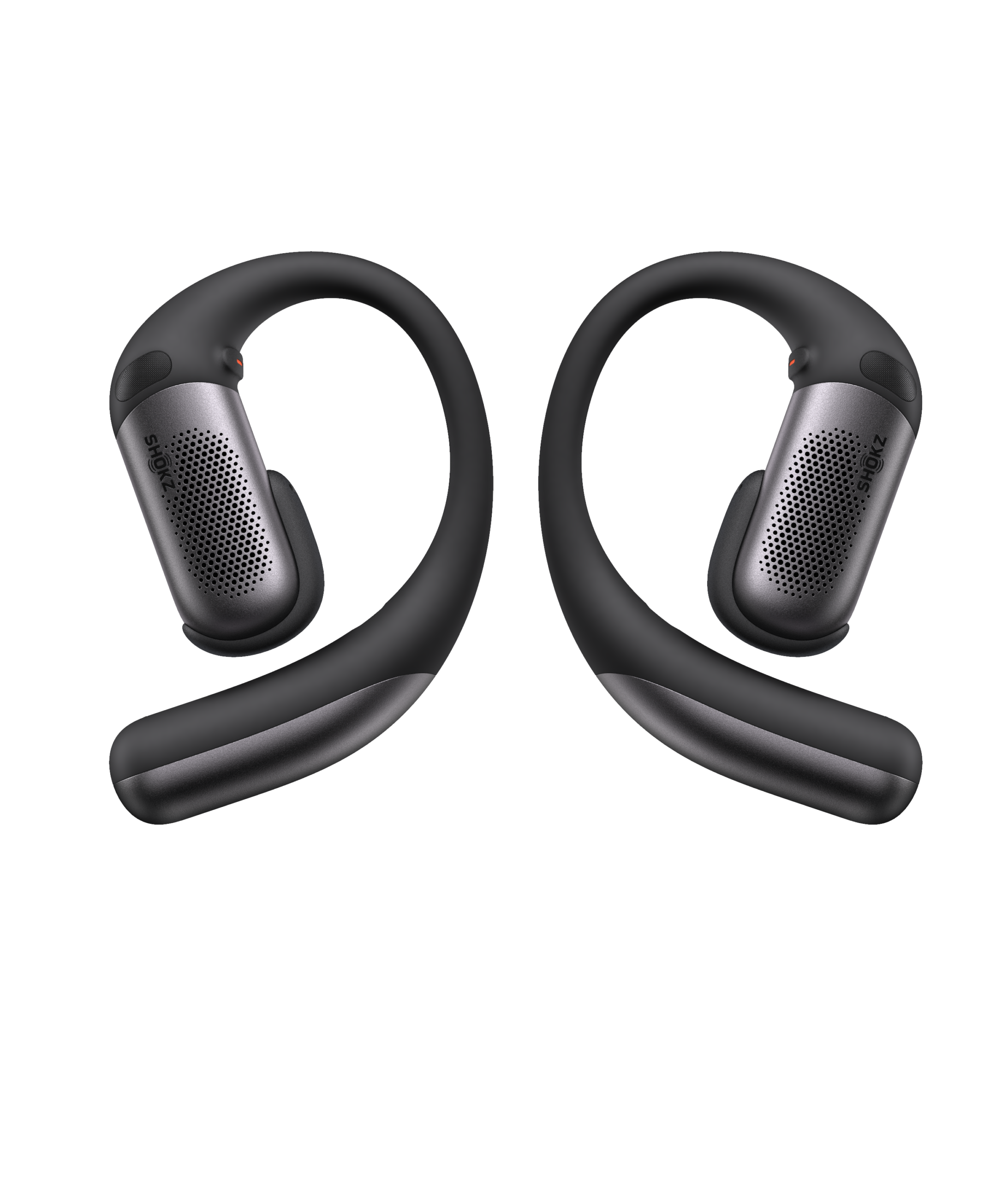
The Shokz OpenFit Pro feature sound quality that is notably strong for open-ear earbuds with a warm, full-bodied profile, outperforming previous SHOKZ models. Dual 11x20mm diaphragm drivers with SuperBoost algorithm deliver notably strong bass, creating slight tickling vibrations through the ear hooks for tangible punch. Mids remain clear and natural, though treble, extending to 40 kHz, offers crisp detail but can be harsh at the highest frequencies. For situational awareness, these provide the richest sound in the category.
Noise reduction is a key feature, dampening persistent mid-frequency sounds like HVAC hum and office chatter by 15-19 dB. It’s most effective indoors, allowing lower volumes for hearing health. However, it’s less effective outdoors against loud bass-heavy sounds or wind, and some users report uncomfortable cabin pressure and dizziness. This can make the feature impractical, especially at the $249 price point, despite being a primary differentiator.
Frequency response consistency is good with a proper fit, aided by elongated ear hooks. Glasses, however, significantly impact comfort and consistency, causing ear tips to press uncomfortably into the skin, leading to pain and degraded audio. Sound leakage is moderate with DirectPitch 3.0, minimal below 50% volume, but noticeable to others above 60%. Microphone quality is strong with a triple-mic AI system, delivering clear, natural voice pickup and effective background noise suppression, except in windy conditions.
How does it perform?
The OpenFit Pro excels when situational awareness is crucial, like for runners, cyclists, and outdoor enthusiasts. Users can clearly hear approaching vehicles or verbal warnings, enhancing safety. Its secure hook-style fit, with optional stability bands, ensures the earbuds stay in place during high-impact activities. The IP55 dust and water resistance further protects against sweat and rain, making the lightweight 12.3-gram design ideal for vigorous workouts without causing hot spots or discomfort.
For office and work-from-home settings, these earbuds strike an ideal balance. The noise reduction effectively dampens background sounds like HVAC or office chatter, aiding focus without completely isolating you from colleagues or family. The strong microphone with AI noise handling is excellent for calls, offering consistent voice clarity. Multi-point Bluetooth 6.1 enables seamless switching between work devices, while physical button controls reliably prevent accidental touches and offer customizable functions via the SHOKZ app.
Long battery life, 12 hours per charge (50 total with case) when noise reduction is off, easily covers full workdays or long trips. A 10-minute fast charge yields 4 hours of playback, and wireless Qi charging adds convenience. Dolby Atmos with head tracking provides immersive spatial audio for movies and gaming. The SHOKZ app offers extensive customization, including a 10-band custom EQ, five sound profiles, adjustable noise reduction, smart wear detection, and a ‘Find My Earbuds’ feature for misplaced units.

Audio quality
sound Quality
The low-end can create slight tickling vibrations through the flexible ear hooks, particularly with bass-heavy tracks, which some users find pleasant while others find distracting at higher volumes. The bass doesn’t reach the skull-rattling depth of sealed in-ear earbuds, but it provides satisfying kick drum impact and warm body to tracks that typical open-ear products completely miss. Bass elevation is estimated at moderate levels (3-5 dB above neutral) with good extension down to low frequencies, providing enough thump for genres like hip-hop and EDM without overwhelming the mix.
Mid-range performance is robust with clear, natural-sounding vocals and lead instruments that stay present and upfront in the mix. Some users report a slight bump in the mid-to-high-mids that can make vocals and instruments sound slightly forward or honky, though this varies by listener preference and specific tracks. Piano keys, acoustic guitars, and vocal harmonics reproduce with clear detail and smoothness, maintaining transparency throughout most of the range. A minor dip in the high-mids can slightly weaken higher-register vocals and instruments as they ascend, creating a more mellow, gentle presentation.
Treble extends to a 40 kHz frequency response with generally crisp, detailed highs that provide good sparkle to cymbals and percussion. However, the treble presentation varies significantly based on volume. At lower volumes (below 60%), some reviewers note the highs lack airiness and can sound slightly rolled off. At moderate to higher volumes, treble becomes more prominent with good clarity and instrument separation, though it can occasionally tip into slight harshness at the highest frequencies. Some reviewers note minor peaks in mid-treble that can make sibilant sounds like ‘S’ and ‘T’ a bit piercing or fatiguing during extended listening. The overall treble balance is better controlled than previous SHOKZ models, avoiding the overtly bright or metallic character of some bone-conduction alternatives.
Harmonic distortion stays low across normal and elevated listening levels, with clean, undistorted output even when pushed to high volumes. The improved driver design maintains linearity better than previous models, reducing artifacts that could muddy complex passages or dense mixes.
Frequency Response Consistency
Consistency is generally good for an open-ear design, with the elongated ear hook sitting more snugly over the ear canal compared to previous SHOKZ floating designs. The upgraded hook shape provides better stability and more consistent driver positioning relative to the ear opening, reducing variability from minor fit adjustments. Once users find the correct positioning—which can take a few tries initially—the sound remains relatively stable across different listening sessions.
However, glasses markedly impact consistency and comfort. Multiple users report that eyeglass frames interfere with the ear hook positioning, causing the ear tips to press uncomfortably deep into the ear skin. This creates both sharp discomfort (pain within 30 minutes to an hour) and audio quality degradation as the compromised fit affects how sound waves reach the ear canal. The ultra-soft silicone 2.0, while comfortable for most, doesn’t provide enough cushioning when compressed between the ear skin and the glasses frames.
sOUNDSTAGE AND iMAGING
Soundstage presentation is wide and open as expected from an open-ear design that doesn’t isolate the ear canal from environmental sounds. The spatial presentation mimics listening to speakers in a room rather than sound coming from inside your head, creating a more natural, less fatiguing listening experience for extended sessions. Object placement within the stereo field is reasonably accurate, with good left-right separation and decent depth perception for instruments and vocals.
The Dolby Atmos feature with head tracking attempts to enhance spatial immersion by fixating an imaginary audio source in front of you as you move your head.
However, user experiences are mixed. Some find the effect satisfying and smooth when it works properly, adding an extra dimension to movie watching or gaming. Others report the head tracking loses calibration quickly, causing the audio to play primarily from one channel when looking straight ahead because the system thinks you’ve turned your head. The feature seems to work best for seated, relatively still activities like watching movies at home rather than during active movement.
Battery & Connectivity
Battery Performance
Battery life is long when noise reduction is disabled, delivering a true 12 hours of continuous playback on the earbuds alone, which is enough to cover a full workday, long international flight, or ultra-distance training run without interruption. The charging case provides an additional 38 hours for 50 hours of runtime, meaning weekly charging is realistic for most usage patterns.
However, enabling the noise reduction feature cuts battery life in half to just 6 hours on the earbuds (24 hours total with the case). This significant reduction is a notable drawback given that noise reduction is the flagship feature differentiating the Pro model from cheaper alternatives. Users must constantly choose between using the signature feature or maintaining acceptable battery life, which feels like a design compromise at a $249 price point.
Charging
Charging is convenient with multiple options. The 10-minute quick charge provides 4 hours of listening time (doubled from previous models’ 2 hours), suitable for emergency top-ups. Full charge time is approximately 1.5-2 hours. The case supports both USB-C wired charging and wireless Qi charging, adding flexibility for desk setups with wireless charging pads or users with compatible phone chargers.
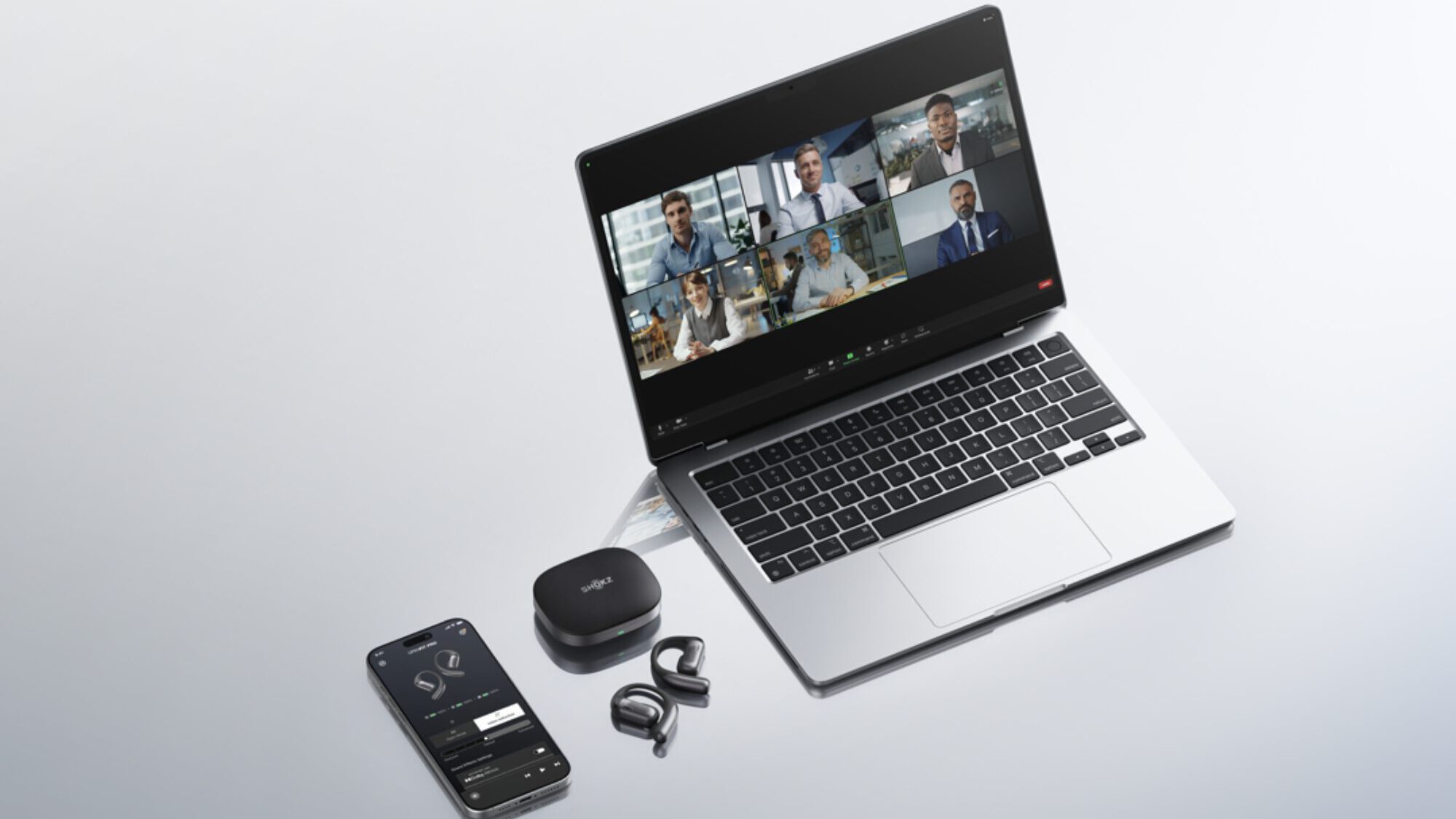
Design & Usability
Comfort
Comfort is generally high for users without glasses, with the ultra-soft silicone 2.0 material and flexible nickel-titanium alloy core creating a lightweight, secure fit that many users forget they’re wearing after the initial positioning. At 12.3 grams per earbud (total 24.6 grams for the pair), they’re roughly double the weight of typical in-ear earbuds, but the weight distribution across the ear hook means you don’t feel the mass pressing on any single point.
However, comfort becomes markedly different for glasses wearers. Multiple users report the ear tips press deep into the outer ear skin when the glasses’ temples interfere with proper hook positioning. This creates sharp pain within an hour, with the rigid contact point digging into sensitive ear cartilage. Users describe feeling the earbuds ‘going deep into the ear skin,’ creating a pressure point that becomes increasingly painful over time.
The incompatibility with glasses is a significant drawback for the percentage of the population requiring corrective eyewear or regularly wearing sunglasses. The issue affects both fit (removing glasses, positioning earbuds, carefully replacing glasses) and comfort (persistent pain from ear tips pressing into skin). Several users ultimately returned the product specifically due to this discomfort, finding it highly impractical with glasses despite strong audio quality.
Build Quality
Build quality is high with premium materials and robust construction throughout. The earbuds use high-grade plastics with metallic accents that feel dense and durable, avoiding the cheap, hollow feel of budget models. The flexible nickel-titanium alloy core in the ear hooks provides structure and springiness without becoming loose or deformed over time, based on early user experiences.
The ultra-soft silicone 2.0 covering is seamlessly integrated and shows no signs of separating or tearing with normal use. The material resists fingerprints and smudges better than glossy plastics, maintaining a clean appearance. The physical buttons feel solid and responsive with distinct tactile feedback, inspiring confidence that they’ll hold up to repeated daily use.
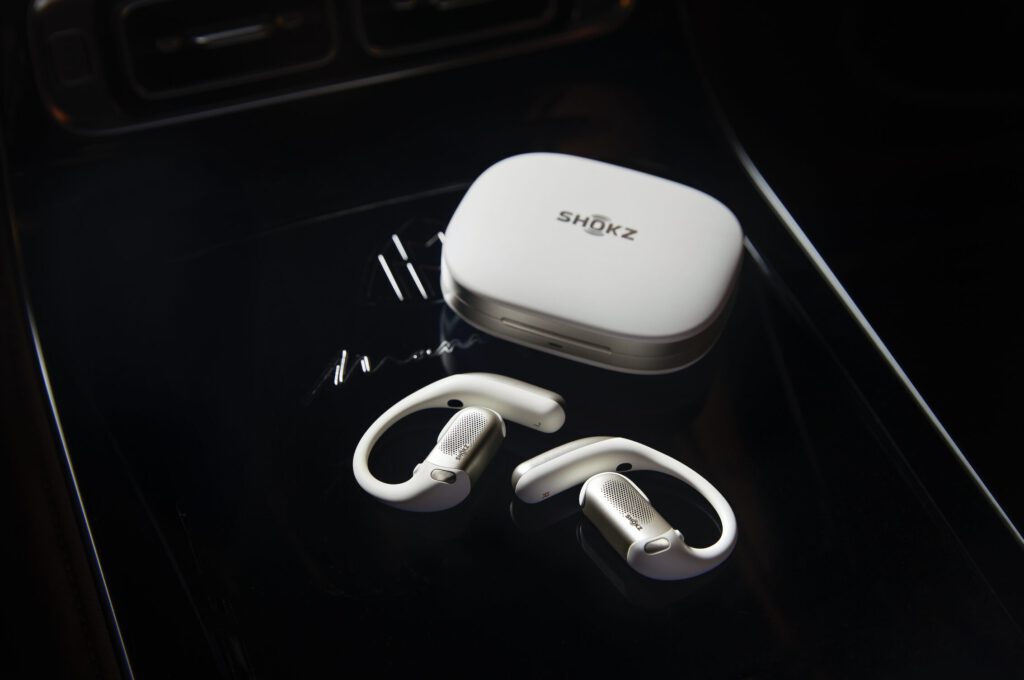
The charging case feels premium with a smooth matte finish that resists fingerprints and a soft-close mechanism with strong magnets holding the lid securely shut. The metallic trim adds visual appeal, though some users note the case could benefit from slightly textured grip surfaces, as the smooth finish can be slippery. The case is bulky compared to compact in-ear earbud cases, measuring larger to accommodate the hook-style earbud shapes, though it’s about as compact as possible for this form factor.
Portability & Stability
Portability is moderate given the inherent size of hook-style earbuds. The case is definitely bulkier than compact in-ear earbud cases, described as ‘bulky,’ ‘larger than AirPods,’ and resembling a ‘makeup case’ or ‘big old bar of soap.’ It will create a noticeable bulge in slim-fit jean pockets, though it fits acceptably in normal-sized pockets, bags, or jacket pockets.
Stability during activity is high. The ear hook design with optional stabilizer bands keeps the earbuds firmly in place during running, jump roping, CrossFit workouts, dancing, martial arts, and other high-impact activities. Users consistently report zero movement, bounce, or risk of falling off, even during vigorous head movements or steep downhill trail running.
Connection
Bluetooth range is strong, with users reporting 330+ feet line-of-sight connectivity—easily covering large homes or offices without dropouts. The signal remains stable through multiple walls at typical home distances, though range naturally decreases with obstructions. When the connection is lost due to excessive distance, the earbuds reconnect instantly when returning to range, resuming playback from where it stopped.