AI will reshape the workforce, automating some roles while creating others—even Google CEO Sundar Pichai admitted that at the India AI Impact Summit 2026. Nobody really knows which AI tools will streamline operations for solo ventures, and which are just Silicon Valley smoke and mirrors. Anyone who’s tried to automate their business knows the drill: big promises, mixed results, and the occasional pleasant surprise. Google’s recent announcements suggest the pleasant surprises might be getting more frequent.
1. AI Infrastructure Investment

Google’s $15 billion bet on AI infrastructure could power the next generation of solo business tools.
Google dropped a cool $15 billion on AI infrastructure investment in Visakhapatnam, India—because apparently, they’re serious about this whole AI thing. This isn’t pocket change; it’s a full-stack AI hub with gigawatt-scale compute and subsea cables, thanks to the America-India Connect Initiative. Picture it as a massive digital kitchen where developers can cook up AI solutions without worrying about running out of ingredients.
For solo entrepreneurs dreaming of AI-powered operations—maybe an app that manages inventory or predicts customer demand—this infrastructure becomes their playground. This investment isn’t just about today’s apps; it’s about giving brilliant minds the computational muscle to build something entirely new. The kind of processing power that once required a tech giant’s budget is becoming accessible to anyone with the right idea.
2. AI Professional Certificate
Google’s new certification program aims to prepare entrepreneurs for an AI-driven business landscape.
“AI will undeniably reshape the workforce,” Sundar Pichai declared, and he’s backing those words with action through Google’s new AI Professional Certificate. This program is designed for global job mastery in AI—think of it as business school for the algorithm age. The certificate isn’t some trendy credential; it’s practical training for understanding how AI can actually work in real businesses.
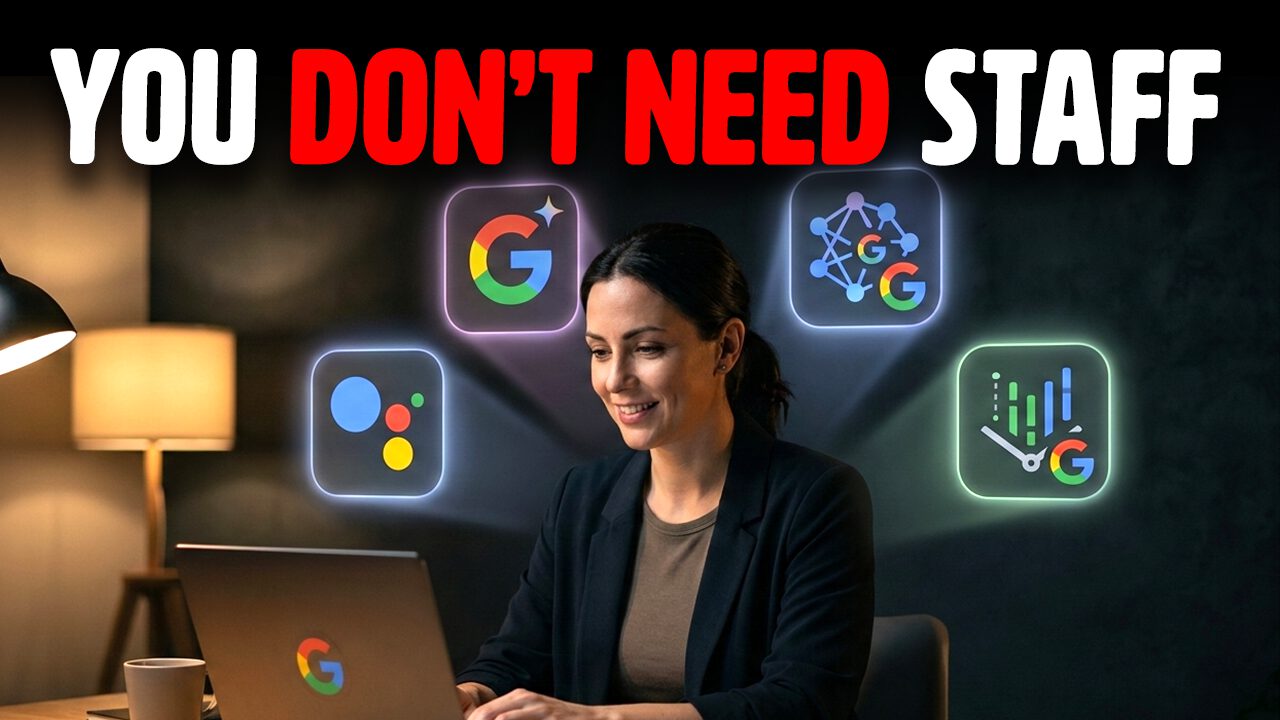
Solo business owners can use these skills to move from operational chaos to streamlined efficiency. Whether you’re managing customer service, handling logistics, or analyzing sales patterns, the certificate teaches you to leverage AI tools effectively. Anyone who’s ever wished they could clone themselves to handle multiple business tasks might find AI the next best thing.
3. Google I/O 2026
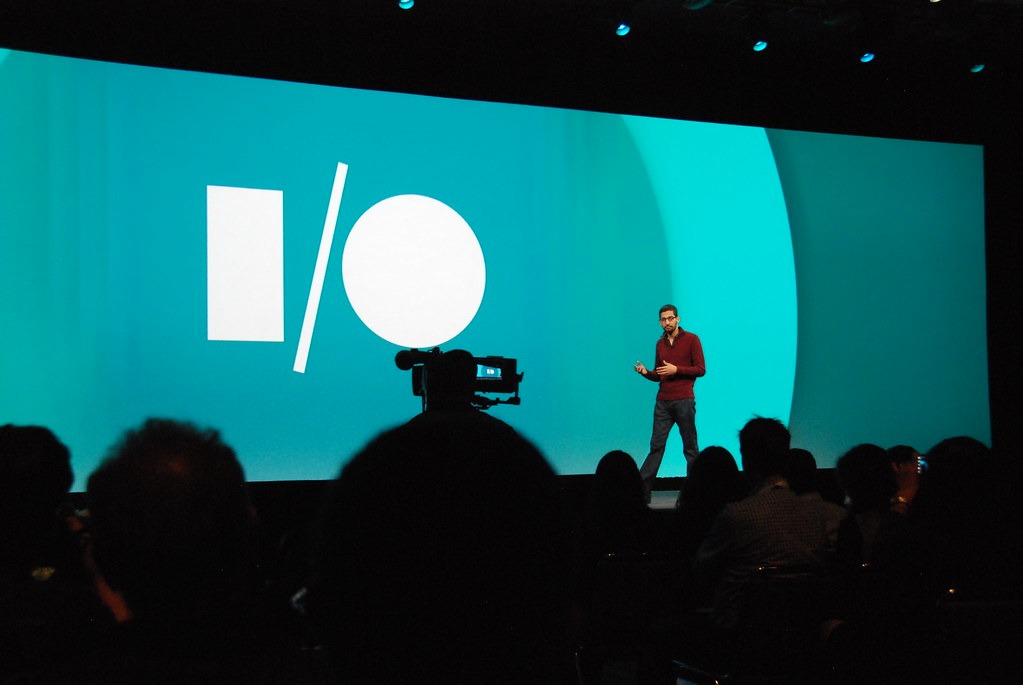
The upcoming developer conference could unveil AI tools specifically designed for small business automation.
Google I/O, scheduled for May 19-20 at Shoreline Amphitheatre, might reveal the business automation tools solo entrepreneurs have been waiting for. Google’s teasing a Gemini-powered interactive experience—perfect for getting hands-on with AI before committing your business operations to algorithmic oversight. Picture attending and discovering an AI that writes marketing copy, manages schedules, and handles customer inquiries with surprising competence.
Google has hinted at AI, Android, and cloud updates that could transform how one-person businesses operate. Previous Google I/O events have launched tools that became essential for small businesses, so this year’s announcements deserve attention. The conference typically showcases practical applications rather than just theoretical possibilities.
4. Google.org AI for Science Impact Challenge
This $30 million initiative could produce AI breakthroughs that benefit small businesses across multiple industries.
Google is investing $30 million in its AI for Science Impact Challenge to accelerate scientific research using artificial intelligence. The program targets breakthroughs in areas like protein folding (think DeepMind’s AlphaFold) and weather forecasting—research that sounds academic but often produces practical business applications. What starts in university labs frequently ends up in the apps and tools that power everyday operations.
For solo entrepreneurs, these scientific AI advances could translate into better supply chain predictions, more accurate demand forecasting, or improved quality control systems. The real value lies in seeing AI develop from experimental technology into reliable business infrastructure. Scientific research has a way of becoming tomorrow’s essential business tools.