At a Cape Coral intersection, a solar-powered roadside camera photographs every passing vehicle’s license plate — logging make, model, color, time, date, and GPS coordinates before the driver reaches the speed limit. That data uploads instantly to a shared law enforcement database. Flock Safety cameras are multiplying across Lee and Charlotte counties, a crowdsourced map has made their locations impossible to ignore, and residents are asking who’s watching.
What These Cameras Actually Do
Flock’s AI-powered readers scan every passing vehicle and cross-reference plates against federal and local watchlists — no warrant needed.
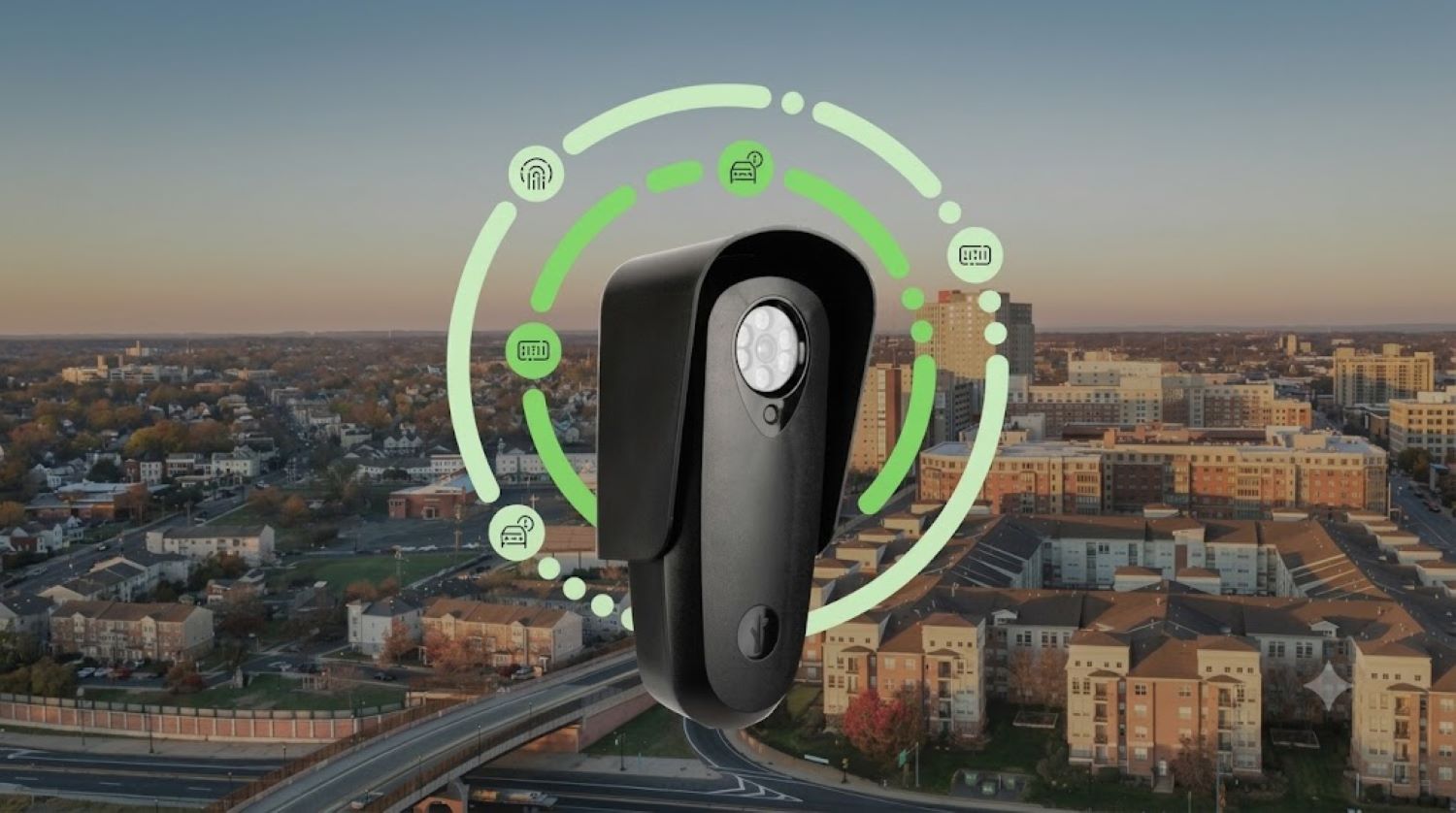
Flock’s Falcon and Sparrow cameras photograph the rear of every vehicle that passes, using computer vision to read plates and flag distinctive features like bumper stickers, roof racks, and dents. Each scan gets cross-referenced against FBI watchlists and local hot lists for stolen cars, wanted suspects, and missing persons. Flock operates across more than 5,000 law enforcement agencies nationally. These aren’t speed cameras. They’re investigative tools that remember where your car has been. If you’re weighing alternatives, exploring home security options that keep data under your own control is worth considering.
Here’s how deep the network runs in Southwest Florida:
- Cape Coral Police, Sanibel Police, the Lee County Sheriff, and the Charlotte County Sheriff all use Flock or access its shared data, according to Gulf Coast News Now
- Private gated communities and businesses deploy cameras that feed into the same law enforcement database
- Data defaults to 30-day retention but can be held longer if tied to an active case
- Florida agencies can query Flock records from other jurisdictions nationally without a warrant
- In 2025, a 404 Media investigation found at least 60 Flock cameras exposed to the open internet, letting outsiders view live footage
“Not every law enforcement agency in the nation is going to have the same principles, standards.” — Chad Marlow, ACLU, according to Gulf Coast News Now
Lee County Sheriff Carmine Marceno argues that in modern society you’re already on camera everywhere you go. He credits plate readers with tracking teens who burglarized a vape shop and locating a homicide suspect traced from Lee County to Pasco County, according to Gulf Coast News Now. Charlotte County Sheriff Bill Prummell calls these “critical tools” aimed only at criminal suspects — not everyday residents.
The Map Fighting Back
A crowdsourced platform has logged over 100,000 Flock cameras nationwide, and a companion routing app helps drivers find alternate paths.
Colorado-based organizer Will Freeman built DeFlock, where volunteers map camera locations across the country. The platform has cataloged over 100,000 cameras nationally, with dense Florida clusters documented in communities including Gulf County, according to The Alligator. A companion app, Flock Hopper, routes around ALPR corridors — though detours often add significant drive time, which says everything about how thoroughly these cameras now blanket major roads. Freeman’s conclusion: there is effectively no way to opt out.
The concern extends beyond any individual sheriff’s intentions. A searchable, historical database of millions of vehicles’ movements — queryable across jurisdictions without a warrant — creates structural risks that outlast any single administration, much like cases of secretly tracking users without consent. The EFF puts it plainly: there is “no reason the technology should be used to create comprehensive records of everybody’s comings and goings.” Documented misuse cases in Kansas and Colorado, including wrongful stops and misidentified vehicles, demonstrate that policy and practice aren’t always the same thing.
Anonymous driving on Southwest Florida’s major roads is becoming a relic. Whether this network represents crime-fighting infrastructure or surveillance without meaningful oversight depends entirely on who’s asking the questions — and, increasingly, who’s watching the watchers.