


Disclaimer: This article was created in partnership with Costway, but the views expressed are our own.
What This Unit Actually Is
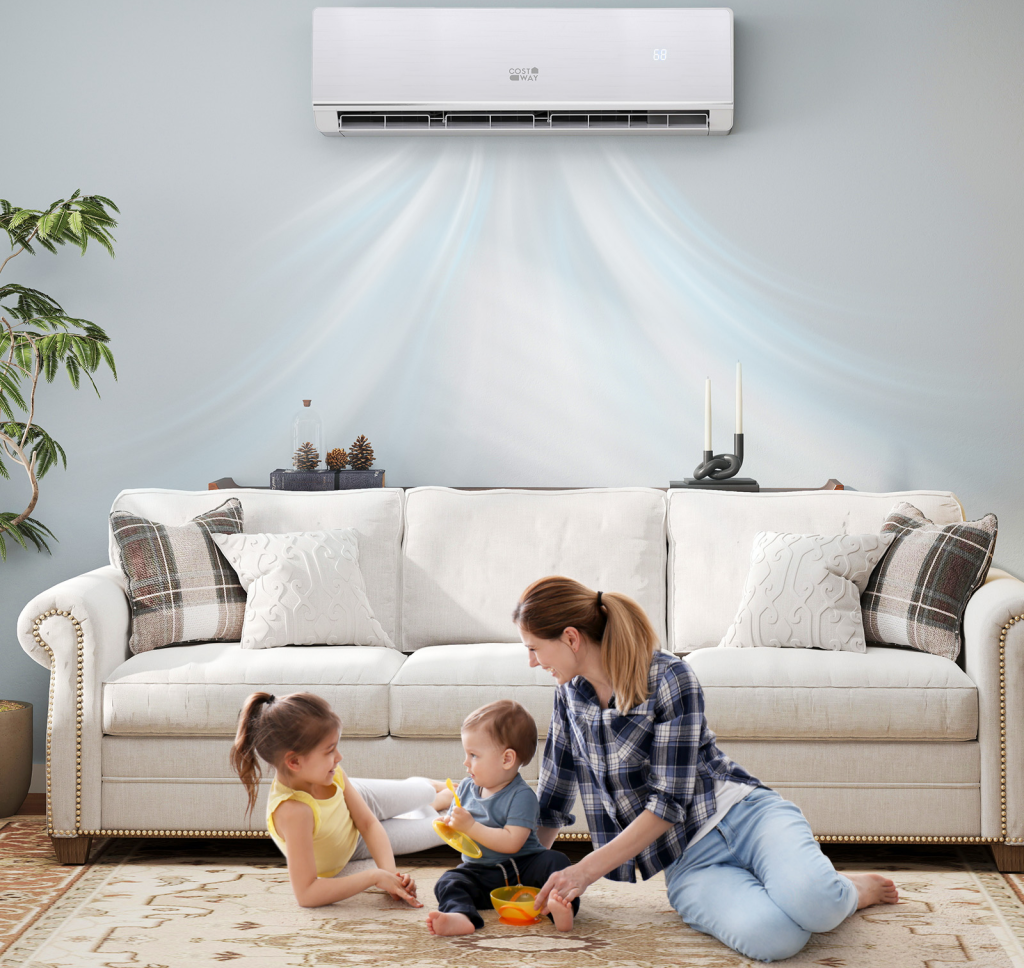
The SEERXtreme Series mini split sits at the top of Costway’s 18,000 BTU lineup. It runs on 208-230V, cools and heats, and carries an 8-year compressor warranty with 5 years on parts. It’s ENERGY STAR, ETL, and AHRI certified, and rated to keep heating down to -13°F outdoor temperature, well below what most 18,000 BTU units in this price range attempt.
It’s part of a broader Costway cooling lineup that includes ice makers, air coolers, fans, and ducted systems, so a mini split purchase isn’t an isolated one-off if a household later wants matching climate control elsewhere in the home.
Why Not Just Use Central Air or a Portable Unit?
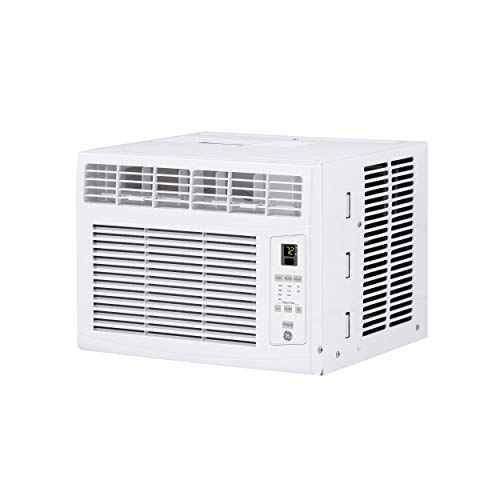
Central air cools a whole house through one thermostat, which is exactly the problem for a single room that never keeps up. The system either overcools the rest of the home trying to fix one stubborn bedroom, or it settles into a compromise that leaves every room slightly wrong.
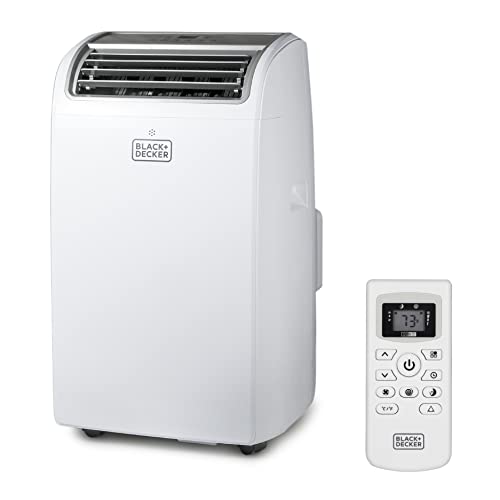
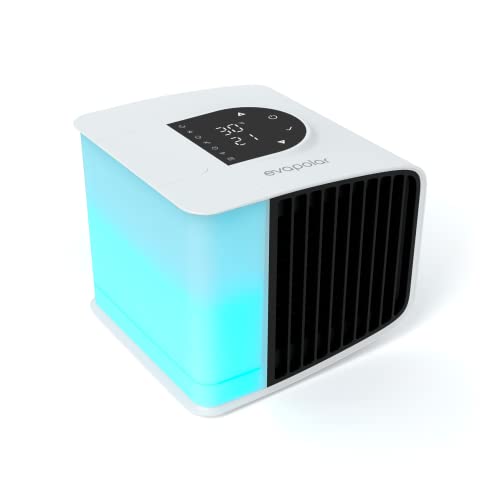
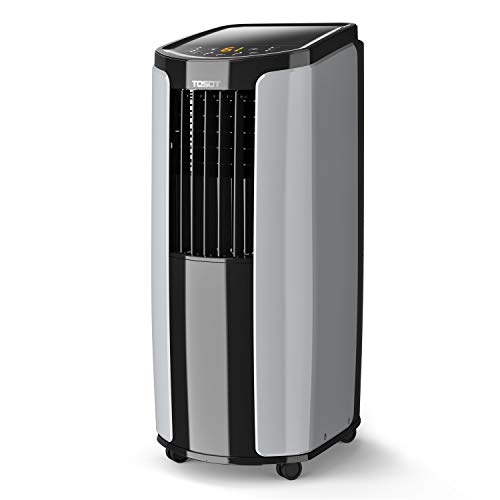
A portable unit fixes that same room without touching ductwork, but it comes with its own daily costs: a hose running to a cracked-open window, water that needs manual draining, and a compressor sitting in the room making noise while it works.
A mini split handles that one room independently of the rest of the house, without the floor space, the window hose, or the manual draining a portable unit asks for. It costs more upfront than either alternative, in exchange for a system built to last for years instead of one summer.
Cooling Performance
The unit is inverter-driven, meaning the variable-speed compressor in the unit adjusts its output continuously instead of cycling fully on and off. That means that temperature swings are smaller, less energy is wasted on constantly restarting, and you’re always getting an output that matches how much cooling or heating you need.
The 25 SEER2 rating puts it well above current federal minimum-efficiency requirements for residential split systems. Real owners back that up in practice: one buyer ran the unit through 34-degree Celsius days at 80 percent humidity with no trouble cooling, tracking power draw the whole time through the companion app. Another installed it in a one-bedroom home with cathedral ceilings, a tough space to cool evenly, and reported strong circulation from the 4D swing. Dedicated Dry mode handles humidity independently of aggressive cooling, which is useful in a converted space or sunroom where mugginess is often the real complaint.

Heating Performance
This is the unit’s standout spec. Chassis electrical heating in the outdoor unit keeps it operating in extremely cold weather. One owner reported maintaining an indoor temperature of 72°F during two days of sub-zero temperatures and estimated a coefficient of performance (COP) of approximately 2.65 based on power consumption.
At a COP above 2, a heat pump can deliver the same amount of heat with substantially less electrical input than a conventional electric-resistance heater, but your actual cost savings depend on a variety of operation conditions.
Feature Performance
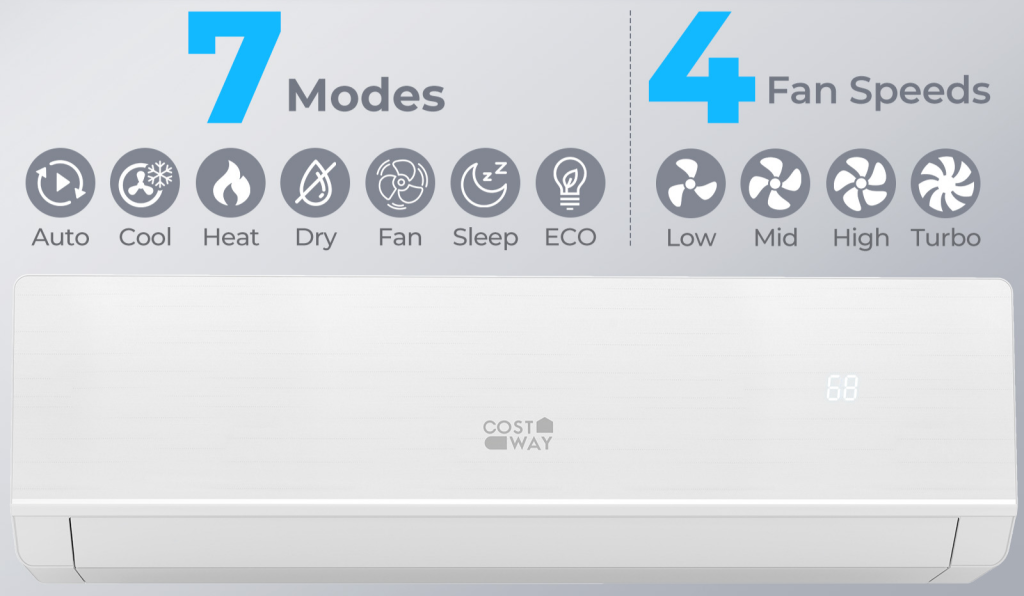
Seven modes come standard: auto, cool, heat, dry, fan, sleep, and eco, paired with four fan speeds and 4D swing for wider airflow coverage. The self-cleaning cycle uses high-temperature operation to help dry and clean the indoor coil between uses, and the filter is washable rather than disposable.
WiFi and Alexa control round out the feature set. One buyer specifically chose this unit for the smart features and reported no issues turning the system on remotely before arriving home, with setup through Google Assistant going smoothly. The remote has an effective range of about 26 feet and its display shuts off automatically after ten seconds of inactivity, a small touch that matters if the unit sits near where someone sleeps.
Indoor noise runs 28 to 50 dB depending on fan speed, while the outdoor condenser sits at 57 dB, so keep that in mind if the unit ends up near a bedroom window or a property line.
Ease of Install and What It Actually Takes
The unit ships with a full installation kit, and Costway publishes installation guidance. That said, it still calls for professional installation rather than a casual DIY job. A proper install needs a vacuum pump and a micron gauge to confirm the lines hold vacuum before the factory-charged refrigerant gets released, plus a torque wrench to seat the flare fittings within spec. Trying to do it yourself means you’re at risk of skipping critical installation steps which can increase the risk of leaks, poor performance, or other system problems.
Costway now works with a professional installation team in California to help customers get eligible systems installed correctly, with plans to expand that network to more of the country over time. For homeowners outside that current footprint, sourcing a local HVAC installer remains the more reliable path, and Costway’s warranty and customer support team are available to help with installation questions either way.
Use Cases
Homes and Apartments Without Ductwork
A finished basement, a converted garage, or an apartment unit that was never built with ducts in the first place all share the same problem: there’s no existing ductwork to extend, and running new ducts into a space that never had them often costs more than the mini split itself.
The Costway unit sidesteps that problem entirely. Installation still calls for a real tool set beyond a screwdriver and hammer, and ideally a licensed installer too. Once it’s mounted, the wall-mounted unit runs independently of whatever the rest of the home’s HVAC is doing.
Hot and Underserved Rooms
Every house seems to have one room that never quite matches the rest of it, a sunroom that turns into a greenhouse by early afternoon, an addition that stays ten degrees warmer than the hallway leading into it.
This is the unit’s strongest use case. Real owners have run it through 34-degree Celsius days at 80 percent humidity with no trouble cooling, and dedicated Dry mode handles humidity separately from temperature, which is useful in a room where mugginess is the leading problem.
Bedrooms
Walking into a bedroom that’s been sitting closed up and warm all day is its own small daily frustration, one a central thermostat down the hall can’t fix in the ten minutes before bed. Indoor noise runs 28 to 50 dB depending on fan speed, which is low enough for a bedroom.
One owner specifically praised the WiFi control for letting them cool the room down before arriving home, which matters most if you’re installing the unit into a bedroom you’re looking forward to being cool when you walk in. A few buyers in Home Depot’s reviews of the same unit say they’d have preferred a wall-mounted thermostat over remote-only control, a real trade-off if hunting for a remote every time you adjust the temperature sounds like a hassle.
Garages and Converted Spaces
A garage workshop or a converted space at the far end of the house is often the coldest room in the building come January, the one central heat barely reaches and a space heater can’t keep up with safely.
This is where the unit pulls ahead of most competitors its size, because it’s rated to keep heating down to -13°F. One Home Depot reviewer installing the same unit did find the line set and control wiring ran shorter than expected, which you should keep in mind if your garage sits farther from where the outdoor unit will mount. For a garage or converted space that needs to stay usable through a real winter though, the unit delivers.