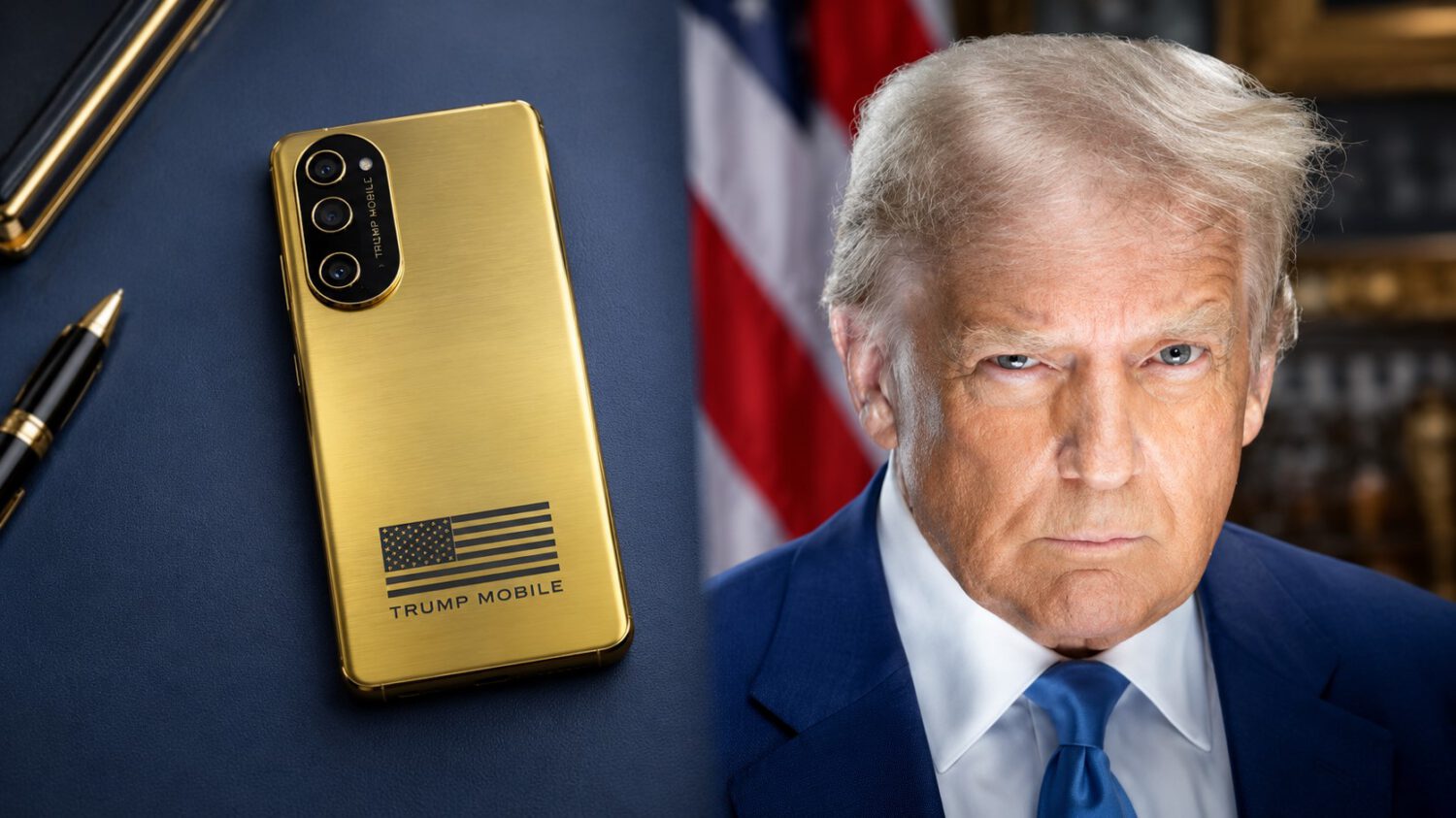
Personal data belonging to 3,615 Trump Mobile customers, including names, home addresses, phone numbers, email addresses, and order details, was reportedly posted to a database leak site by a cybercrime group called BYOD. Straight Arrow News reviewed the data and contacted people listed in it; those individuals confirmed their information was accurate.
Trump Mobile is a branded wireless service reportedly tied to Liberty Mobile, a Florida-based mobile virtual network operator, meaning a company that resells access to another carrier’s network rather than operating its own towers. That structure is common and legitimate. What is not acceptable is what allegedly followed.
What Got Out, and How BYOD Claims It Got In
The attackers describe a supply-chain entry point that has not been independently verified, but the customer data they published appears real.
BYOD claims it gained initial access by infecting a Liberty Mobile employee’s device with a remote-access trojan, or RAT, a type of malware that lets attackers remotely monitor and control an infected machine. From there, the group says it moved to exposed Trump Mobile subdomains and extracted customer records. That intrusion path has not been independently verified.
BYOD also claims it still has live access to a Trump Mobile backend dashboard and provided a screenshot purporting to show customer data as evidence. That claim, too, remains unverified. A surveillance app attack vector of this kind illustrates how device-level compromise can serve as a gateway to far larger infrastructure breaches.
Reporters and researchers who reviewed sampled records found them to be accurate, at least in part. Eric Brunnett, the Trump Organization’s VP and chief information officer, reportedly responsible for IT and cybersecurity oversight, was reportedly included in the leaked dataset. That the executive responsible for cybersecurity oversight was himself reportedly exposed in the breach underscores how comprehensively the response appears to have failed.
The Alleged Response Reveals an Accountability Gap
When a brand outsources its network but keeps its customers’ data, a non-response is not a technical problem; it is a structural one.
According to BYOD’s account, Trump Mobile was informed of the alleged breach. The response, attributed solely to the attackers and not independently confirmed, was: “We have no team to handle this.”
Trump Mobile had not publicly confirmed the breach in available reports, and available reporting did not establish that customers were formally notified, that credentials were revoked, or that regulators or law enforcement were contacted. Silence is not containment.
This is the MVNO model’s unresolved tension. A brand can outsource its network to a third-party operator, the same way a fast-casual chain can outsource its supply chain, but when something goes wrong, customers do not think of Liberty Mobile. They think of Trump Mobile. The brand collected their home addresses, and the brand owes them a response.
The broader MVNO industry needs breach-response obligations built into every layer of the vendor chain, not just at the underlying carrier level. Right now, accountability falls through the gap between them.
What You Should Do Right Now
If your information was in that dataset, the precautions below are worth taking immediately.
Treat any unexpected message about your account, an order, a refund, a SIM replacement, or verification as potentially fraudulent. Do not click unsolicited links. Use a unique password for your Trump Mobile account and enable multifactor authentication wherever it is available.
If your phone suddenly loses service or you receive an unexpected account-reset request, contact the carrier through a verified channel immediately and secure your associated email and financial accounts. SIM-swapping scams, where an attacker reroutes your number to their device, become significantly easier when attackers already have your name, address, and phone number. To stay safe, according to available reporting, BYOD reportedly possesses all of that information.