
Anyone who’s ever fumbled with a broken egg yolk or wrestled with a crusty oven knows the pain of kitchen disasters. Canada’s inventors apparently felt that pain too—and decided to do something about it. From the fuel that powered early stoves to the insulin that revolutionized diabetes management, these seven Canadian innovations quietly transformed how the world cooks, eats, and stays clean. Your breakfast routine has more maple leaf fingerprints on it than you’d ever guess.
1. Kerosene
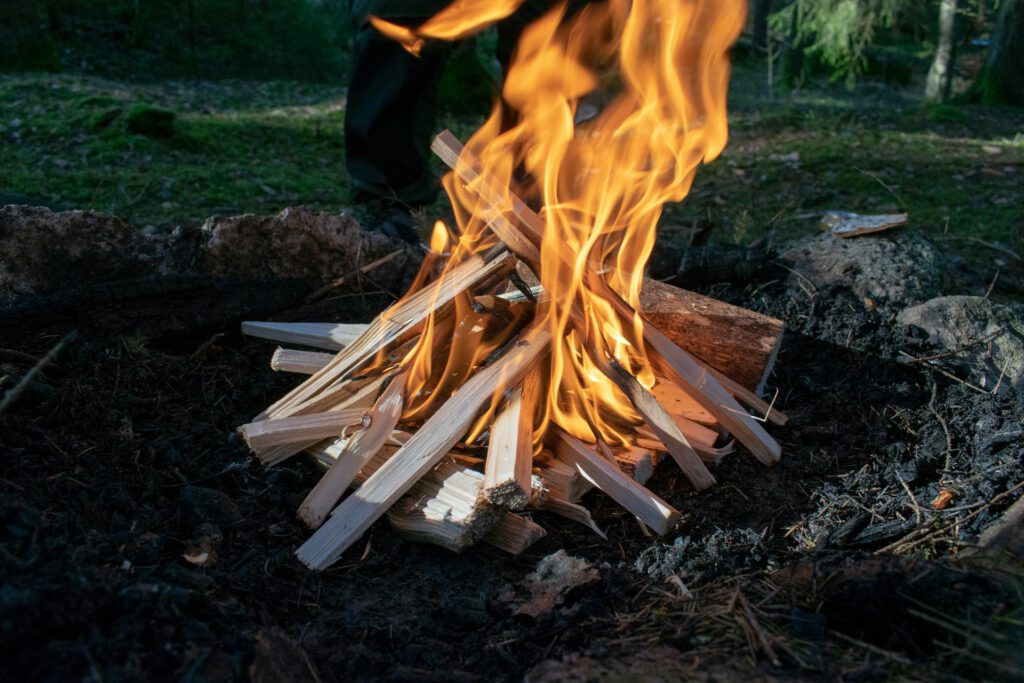
Abraham Gesner’s 1840s fuel innovation made cooking safer and more reliable worldwide.
In the 1840s, cooking meant dancing with danger—open flames, unpredictable heat, and the constant threat of singed eyebrows. Abraham Gesner, a Nova Scotian inventor, wasn’t having it. His kerosene creation became the reliable fuel for early cooking stoves, transforming meal prep from a risky gamble into something approaching precision. Think of it as the dependable friend who shows up when you need them most, keeping stews simmering and camp meals consistent without the drama of open fires.
2. Newsprint and Pulped-Wood Paper
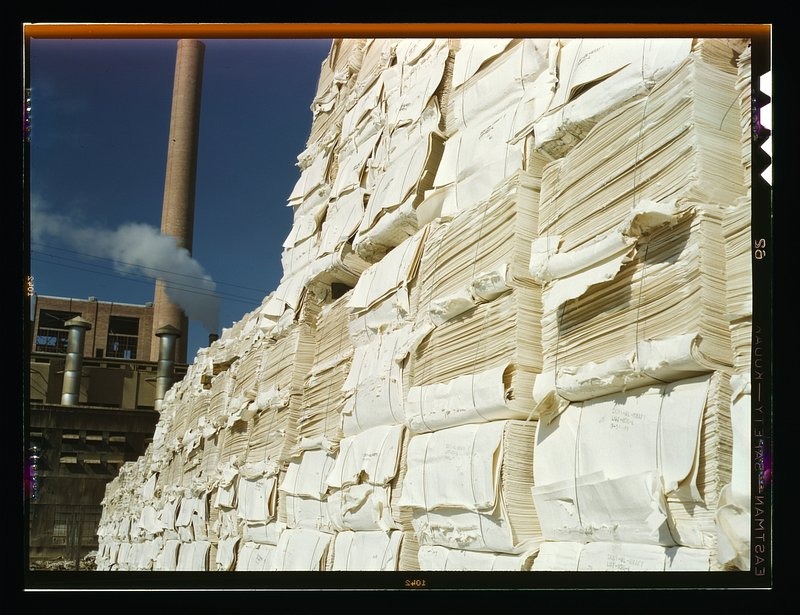
Charles Fenerty’s 1838 paper innovation revolutionized food packaging and labeling.
Charles Fenerty pioneered newsprint and pulped-wood paper in 1838, accidentally creating a food packaging revolution. His cheaper, better paper suddenly meant food could be wrapped, labeled, and marketed with unprecedented efficiency. The freshness factor skyrocketed, and brands could finally flex their creative muscles on product packaging. Without Fenerty’s breakthrough, your sandwich might still be wrapped in whatever was lying around—and nobody wants that level of culinary chaos.
3. Electric Cooking Range
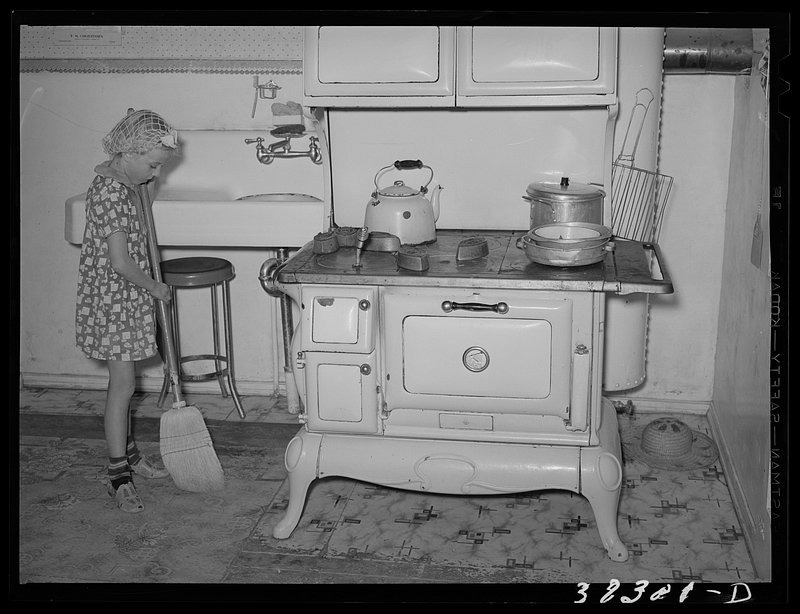
Thomas Ahearn’s 1882 invention replaced unpredictable flames with precise temperature control.
Thomas Ahearn’s electric cooking range, invented in 1882, turned cooking from guesswork into science. Open fires, with their moody tantrums and unpredictable heat zones, got replaced by precise, dial-in temperature control. This wasn’t just an upgrade—it was like swapping smoke signals for smartphones. Home cooks and restaurant chefs could finally treat every meal like a controlled experiment, with consistently delicious results and significantly fewer burnt offerings.
4. Egg Carton
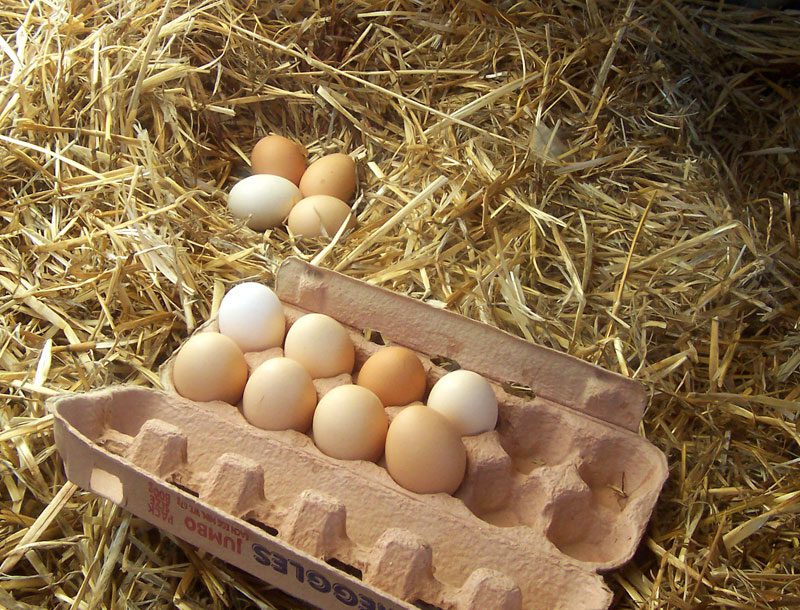
Joseph Coyle’s 1911 design protected fragile eggs and enabled global food distribution.
Before reliable transportation, getting eggs from farm to table was like playing culinary Russian roulette. Joseph Coyle from Smithers, British Columbia, solved this fragile situation in 1911 with his ingenious egg carton design. His simple yet brilliant invention became the backbone of global food supply chains, protecting those delicate breakfast essentials through bumpy cart rides and rough handling. Next time you crack an egg without fishing out shell fragments, thank Canada—your frittata dreams depend on it.
5. Easy-Off Oven Cleaner
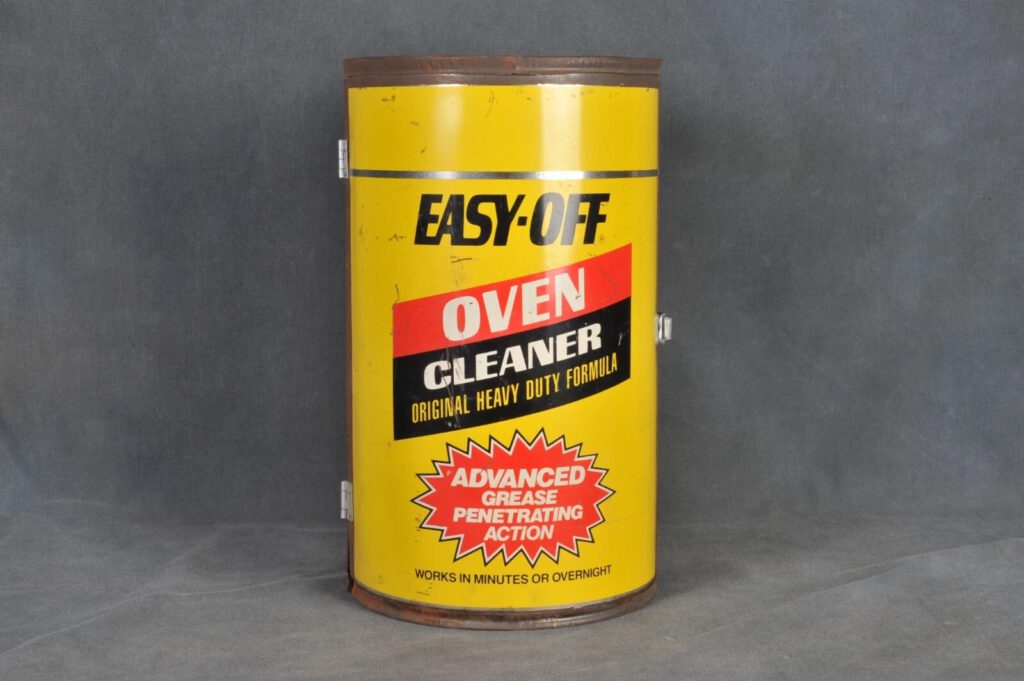
Herbert McCool’s 1932 invention simplified kitchen cleanup and improved hygiene standards.
Before self-cleaning ovens existed, scrubbing burnt casserole remnants ranked somewhere between root canals and tax audits on the fun scale. Herbert McCool invented Easy-Off oven cleaner in Regina in 1932, transforming kitchen cleanup from medieval torture into manageable maintenance. His formula supported hygiene in professional kitchens and home cooking alike, letting people spend more time enjoying their meals and less time battling stubborn cheese stains with questionable success rates.
6. Insulin
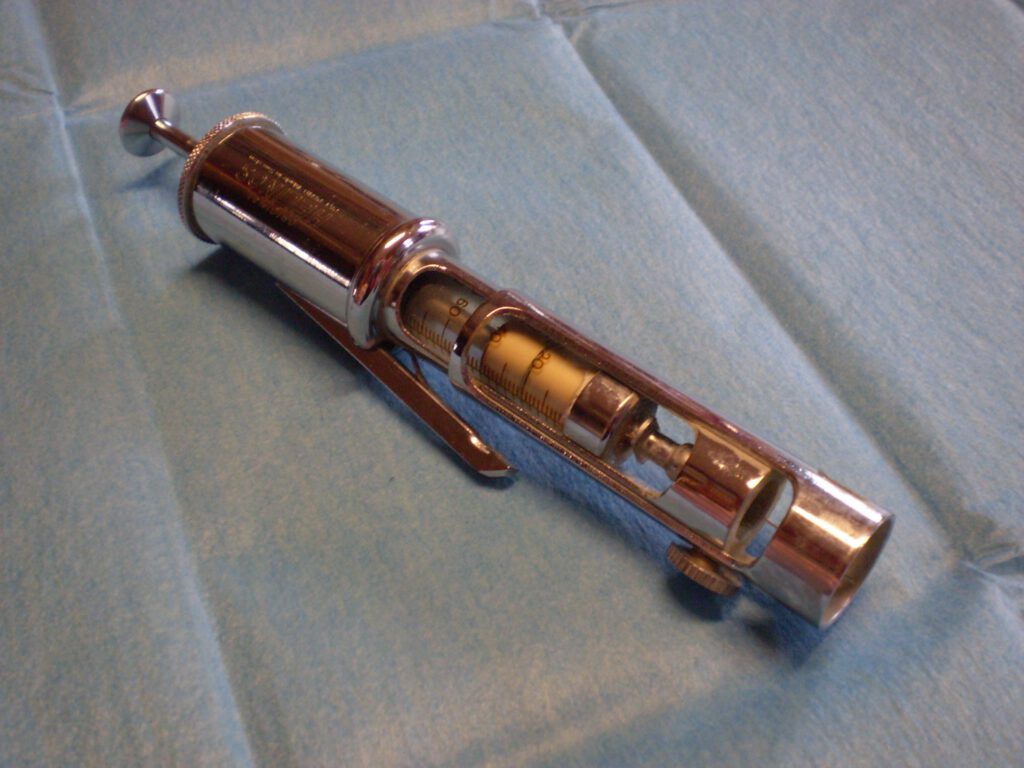
Frederick Banting’s 1922 discovery enabled millions to enjoy balanced diets safely.
Before 1922, a diabetes diagnosis meant severely restricted diets and often fatal outcomes. Frederick Banting and his colleagues changed everything with their insulin discovery, suddenly giving millions access to balanced nutrition without life-threatening consequences. This breakthrough didn’t just save lives—it revolutionized culinary possibilities. Low-sugar cookbooks, keto experiments, and dessert innovations all trace back to this Canadian medical breakthrough that turned dietary management from survival mode into creative exploration.
7. Garbage Bag
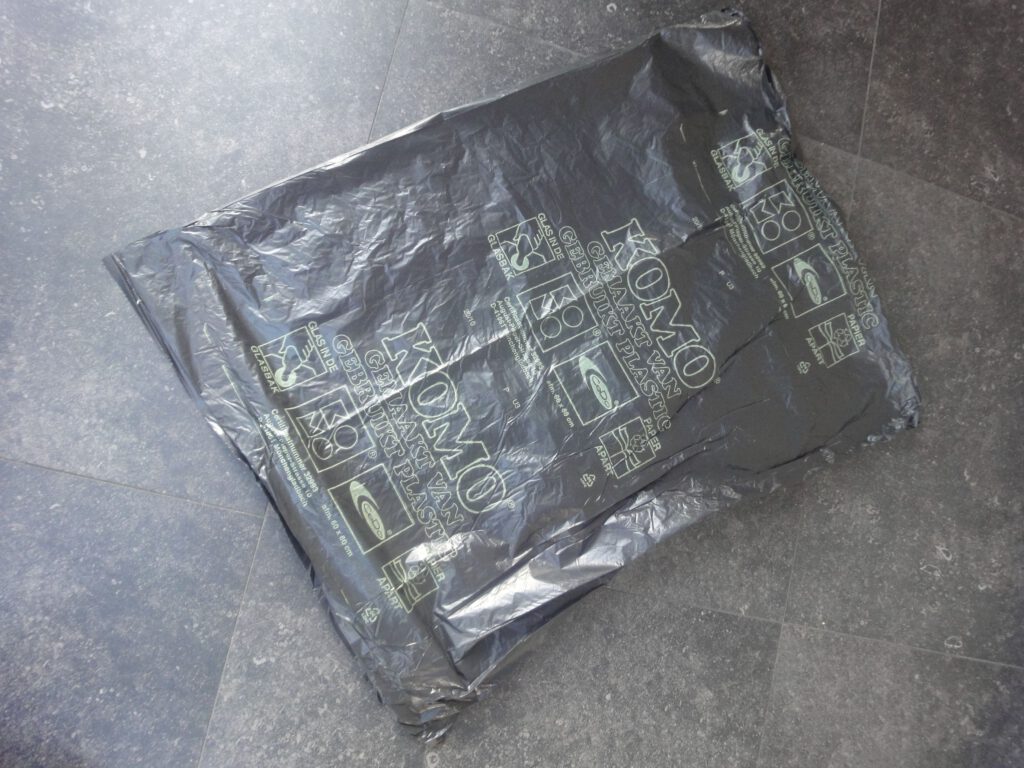
Harry Wasylyk’s 1950 invention streamlined waste disposal and improved kitchen sanitation.
The humble garbage bag has a surprisingly dramatic origin story. Harry Wasylyk’s 1950 invention revolutionized kitchen waste management, replacing the nightmare of food scraps festering in metal bins with streamlined disposal systems. No more eau de last Tuesday’s leftovers wafting through the air—just toss, tie, and done. Modern compostable versions continue this legacy, turning kitchen sanitation into something slightly less revolting while supporting sustainability efforts one discarded avocado peel at a time.