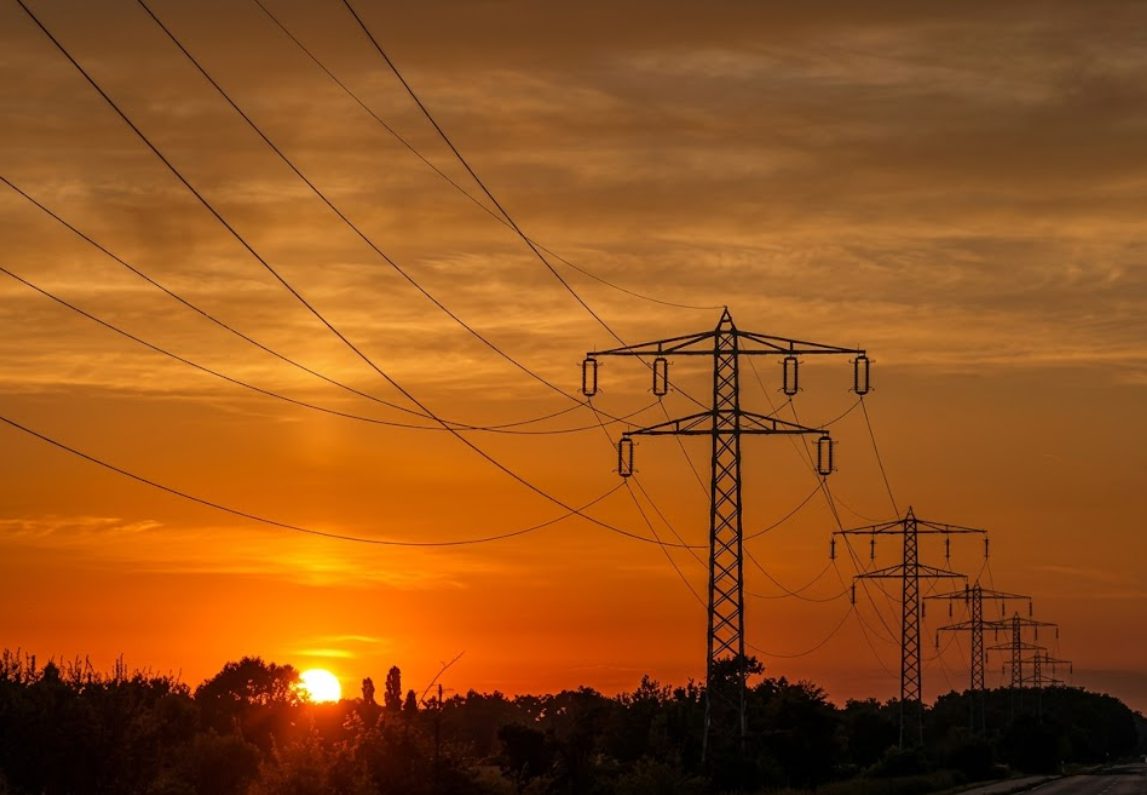
Dead zones in rural Pennsylvania used to mean bad cell service, not industrial warehouses humming next to family farms. A virtual town hall Wednesday night drew 225 viewers who spent two hours voicing opposition to the state’s data center boom. More than 20 speakers criticized Gov. Josh Shapiro’s handling of projects they say threaten their electricity bills, water supplies, and community character. Your power grid wasn’t designed for AI’s appetite, and residents are realizing they’re footing the bill.
Facebook Group Becomes Political Force
Grassroots organization grows from dozens to thousands as locals discover projects after decisions are made.
Karen Feridun’s Pennsylvania Data Center Resistance Facebook group exploded from a few dozen members in January to more than 12,000 followers. The Better Path Coalition organizer tapped into frustration that mirrors other infrastructure fights across rural America. Jennifer Dusart, a Mechanicsburg small business owner, called it a “public trust and transparency” problem where people discover projects only after approvals. Kelly Donia of East Whiteland Township said she no longer supports Shapiro because of his outreach to developers, arguing he’s “losing his base.”
Residents Face Industrial Transformation
Communities worry about noise pollution, water consumption, and rural character as nearly 60 facilities advance through planning.
Pennsylvania has nearly 60 data centers proposed, planned, approved, or under construction according to the Data Center Proposal Tracker. Locals describe concerns that sound like suburban nightmares:
- Constant humming
- Massive water usage
- Industrial buildings replacing open space
The projects speed up rural industrialization while potentially raising everyone’s electricity rates. Rep. Jamie Walsh noted Pennsylvania became a target because of tax breaks from a 2021 law—Virginia taxes data center contents while Pennsylvania doesn’t.
Shapiro Administration Walks Political Tightrope
Governor promotes economic development while proposing transparency requirements and environmental protections.
Shapiro’s administration wants companies seeking state support to meet strict transparency and environmental standards. In February, he proposed requiring new data centers to either provide their own power or fully fund their grid needs and related infrastructure. State Sen. Katie Muth plans a three-year development moratorium so governments can study the industry’s impact. Critics like Colby Wesner of Concerned Citizens of Montour County worry proposed state model ordinances might help developers more than towns. The question becomes whether communities retain meaningful zoning power while the state courts industrial investment that could reshape local landscapes permanently.