Engineers at NASA‘s Jet Propulsion Laboratory hit send on an email with the subject line “Hello Universe” in February—a digital handshake from humanity’s newest space brain. The High Performance Spaceflight Computing (HPSC) processor had just completed its first end-to-end test, marking a watershed moment for space exploration. Your smartphone processes TikTok videos faster than most Mars rovers can analyze rocks. This palm-sized chip aims to change that equation entirely.
The Silicon Revolution Comes to Space
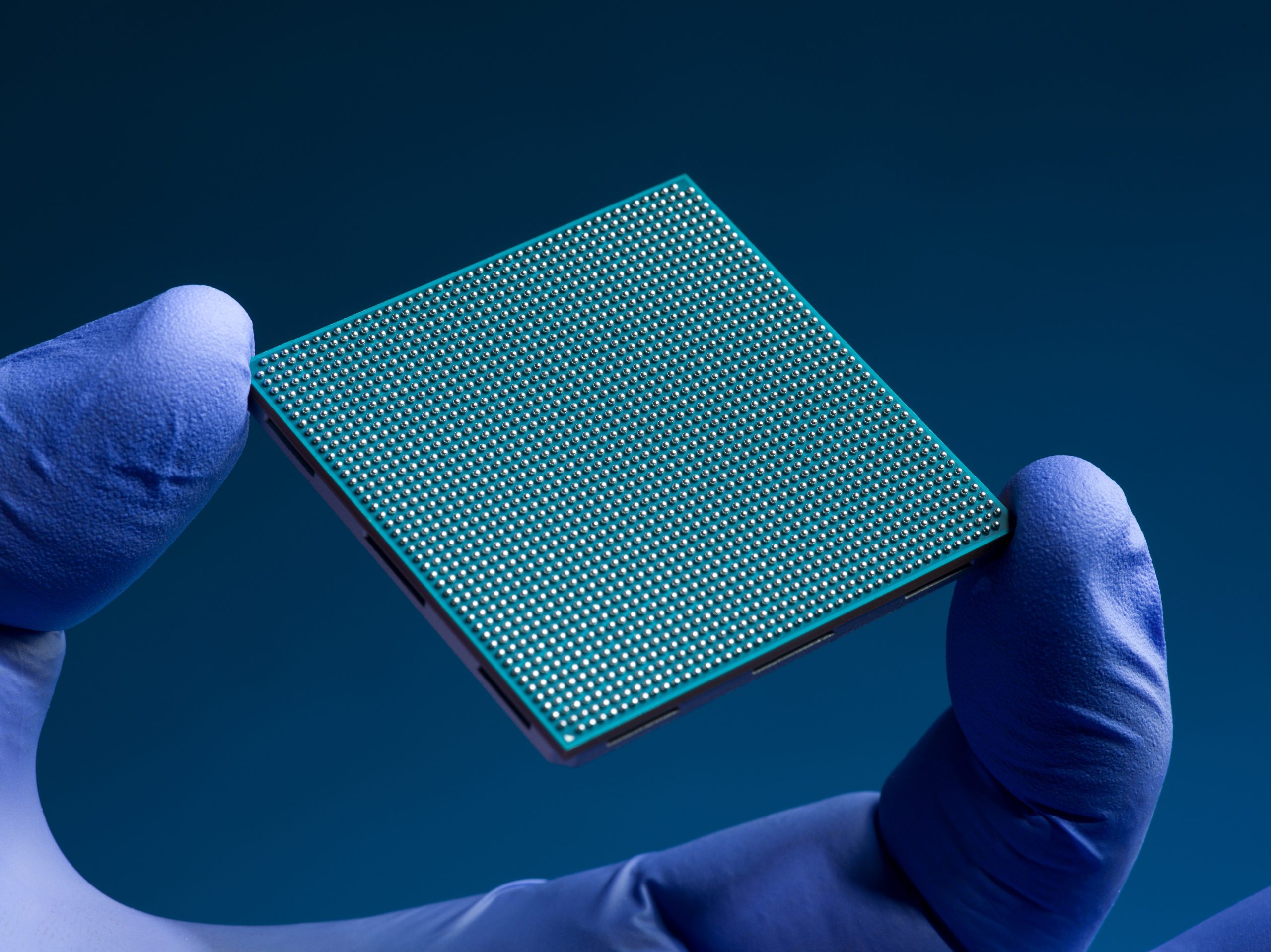
The HPSC packs multiple CPU cores, memory, and networking into a system-on-chip that fits in your palm—think smartphone guts, but armored against cosmic radiation that would fry your iPhone in minutes. Traditional space computers use decades-old designs because reliability trumps speed when you can’t exactly call tech support from Mars.
This processor delivers 500 times the performance of current radiation-hardened chips while maintaining the fault tolerance that keeps missions alive for years. The multicore system integrates everything from processing power to input-output connections, resembling modern consumer SoCs but engineered to survive years of bombardment from high-energy particles.
Real Autonomy, Real Time
Think about a Mars rover spotting an interesting geological formation but having to wait for Earth-based scientists to analyze photos and send back instructions. The HPSC eliminates that delay, enabling spacecraft to run AI algorithms that identify targets, avoid hazards, and make scientific decisions in real time.
Future landers could adjust their descent paths autonomously, while deep-space probes could compress and analyze massive sensor datasets before beaming only the most valuable discoveries home. Eugene Schwanbeck from NASA’s Game Changing Development program describes the system as “fault-tolerant, flexible, and extremely high-performing.”
Testing the Space Brain
Engineers are subjecting the chip to radiation bombardment, thermal extremes, and violent shaking that simulates rocket launches. “We’re stress-testing the hardware using real data from previous missions,” notes Jim Butler, HPSC project manager at JPL. The processor handles these mission-like workloads while NASA and partner Microchip Technology validate every circuit for the harsh realities of space travel.
The implications stretch beyond NASA missions. Microchip plans to adapt this radiation-hardened design for aviation and automotive applications, potentially bringing space-grade reliability to terrestrial systems. As spacecraft become more autonomous and missions venture deeper into the solar system, this palm-sized computer brain represents the neural upgrade that turns remote-controlled robots into thinking explorers.