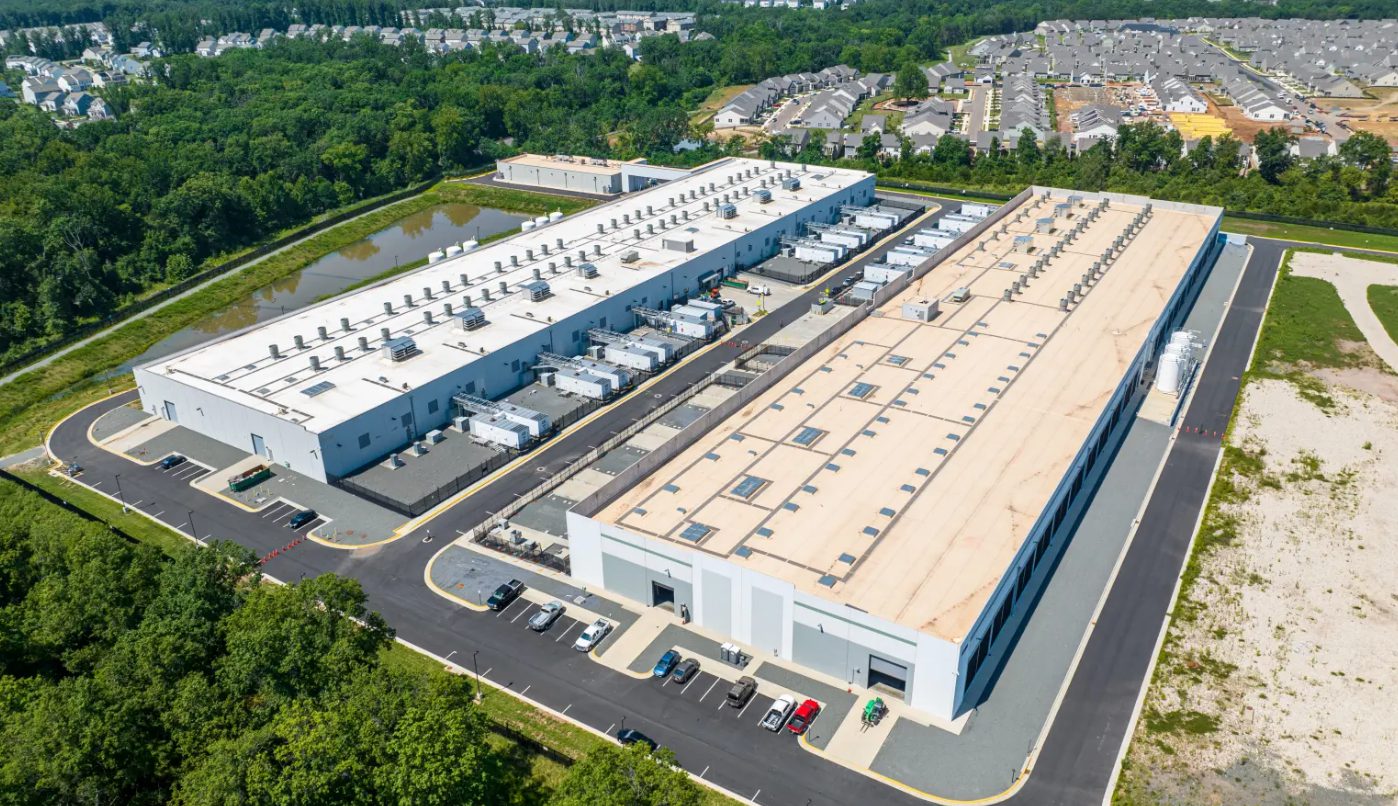
Your quiet neighborhood is about to get very loud. That massive construction project down the road? It’s not another subdivision—it’s an AI data center that will consume as much electricity as 100,000 homes while turning your local water supply into vapor.
The Power Grab That Rewires Your Community
These facilities demand grid infrastructure that transforms rural landscapes into industrial zones.
Cornell researchers project that by 2030, AI data centers will pump out an additional 24-44 million metric tons of CO₂ annually—equivalent to adding 5-10 million cars to American roads. That massive carbon footprint starts with massive electrical demand that rewires entire regions.
Residents in Georgia report high-voltage transmission poles suddenly appearing in their backyards, installed to feed nearby data centers. Construction crews tear through residential roads with cement trucks and equipment haulers, while utilities build new substations that hum 24/7.
Your electric bill reflects this infrastructure buildout whether you use AI or not.
Water Vanishes Into Thin Air (Literally)
Evaporative cooling systems permanently remove water from local watersheds.
AI facilities will consume 731-1,125 million cubic meters of water annually by 2030—enough to supply 6-10 million American households. Unlike other industrial uses, data center cooling doesn’t return water to rivers or aquifers. Evaporative systems turn your local water into vapor, gone forever.
Beverley Morris in Mansfield, Georgia, believes nearby data centers drained her well, leaving her without reliable running water. This isn’t recycling despite industry claims—it’s permanent withdrawal from watersheds already stressed by drought and climate change.
The Diesel Exhaust Next Door
Backup generators emit hundreds of times more pollution than cleaner alternatives.
Those rail-car-sized diesel generators aren’t just for emergencies. In Northern Virginia’s data center hub, thousands of backup units legally operate up to 50 hours at a time for “demand response.” Each unit emits 200-600 times more nitrogen oxides than natural gas plants producing equivalent energy.
Memphis residents are suing to stop xAI’s Colossus center, which plans over 30 natural gas turbines for daily operations in a city already struggling with dangerous air quality and high asthma rates.
Environmental justice isn’t just buzzword activism here—it’s measurable reality.
Nearly half of existing data centers occupy census tracts with above-median environmental burdens, often in communities with less political power to resist industrial siting.
The cruel irony? Cornell researchers prove this damage isn’t inevitable. Smarter siting and cleaner grids could cut AI’s environmental impact by 73-86%. Your neighborhood’s sacrifice serves corporate convenience, not technological necessity.