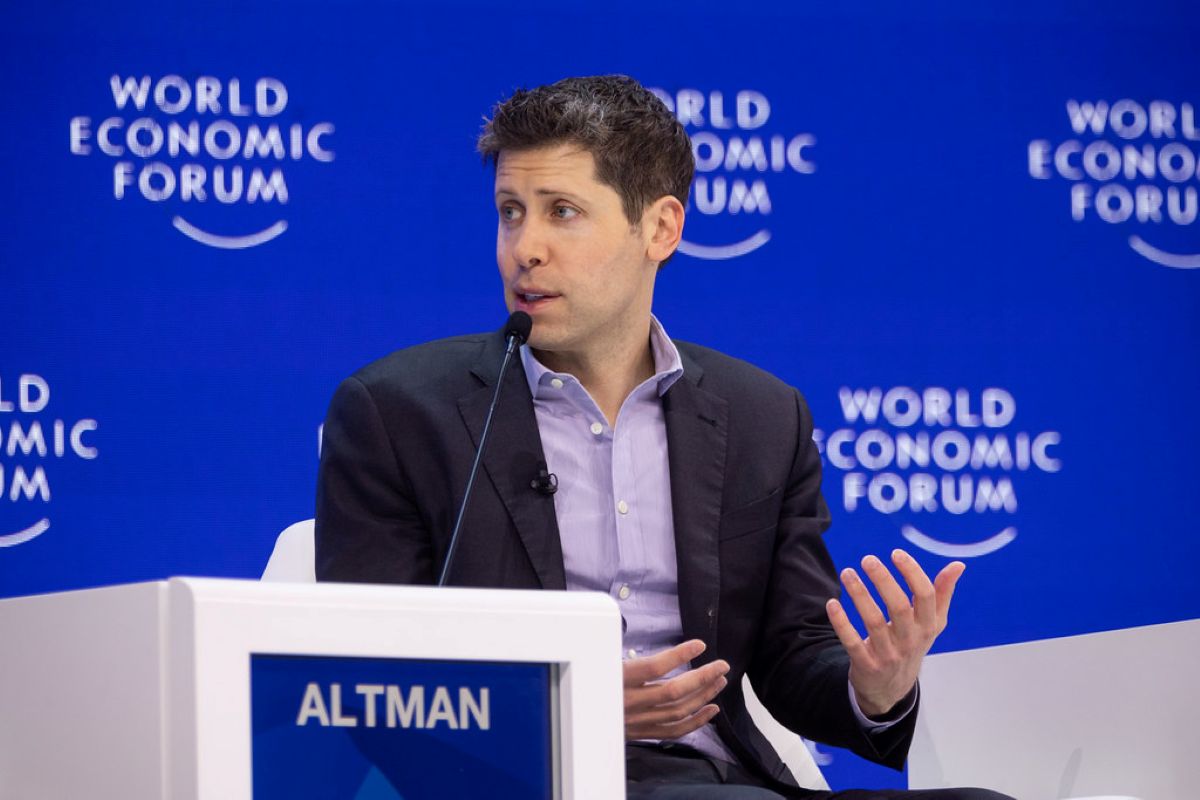
When the CEO of the world’s most influential AI company holds $2 billion in firms doing business with his organization, you’ve got a governance crisis masquerading as a tech dispute. Sam Altman’s investment portfolio reads like OpenAI’s vendor list—nine companies with ties to the AI giant, creating conflicts that make crypto’s messiest scandals look quaint.
The Circular Investment Machine
Altman’s holdings span OpenAI’s strategic partnerships, from energy deals to payment processing.
Court documents reveal Altman’s stakes include:
- $1.7 billion in Helion Energy
- $633 million in Stripe
- $258 million in Retro Biosciences
The pattern resembles a perfectly orchestrated feedback loop: Altman invests, OpenAI signs deals, companies profit, Altman benefits. It’s venture capitalism meets corporate governance, with all the ethical clarity of a TikTok algorithm.
The Recusal Theater
Altman claims he stepped aside from decisions while actively promoting the same deals.
Altman testified he was “recused from it on both sides” regarding Helion’s 2024 energy agreement with OpenAI. Yet he also admitted asking OpenAI’s board to explore working with Helion in late 2022 and “vouched” for the company as a good deal. This isn’t recusal—it’s having your cake and eating it too.
Musk’s lawyers are seeking $150 billion in damages and Altman’s removal, turning corporate governance into blood sport. The contradiction between stepping aside and actively championing deals reveals how Silicon Valley’s conflict-of-interest protocols work in practice.
Regulatory Pile-On
Federal and state officials are circling OpenAI with oversight demands.
Ten Republican state attorneys general want the SEC examining OpenAI documents before any IPO. The House Oversight Committee is probing conflict-of-interest policies. What started as Musk’s personal vendetta has morphed into institutional scrutiny that threatens OpenAI’s commercial ambitions, reminiscent of previous tech scandals.
The regulatory momentum suggests this dispute extends beyond courtroom theatrics into formal oversight channels. These investigations could reshape how AI companies structure leadership and partnerships.
The stakes extend far beyond billionaire grudges. OpenAI’s credibility as an AI safety leader crumbles when its governance looks like a shell game. ChatGPT subscriptions fund an organization whose leadership structure resembles early crypto exchanges—heavy on profits, light on accountability. Whether courts or regulators force change, the AI industry’s governance standards hang in the balance.