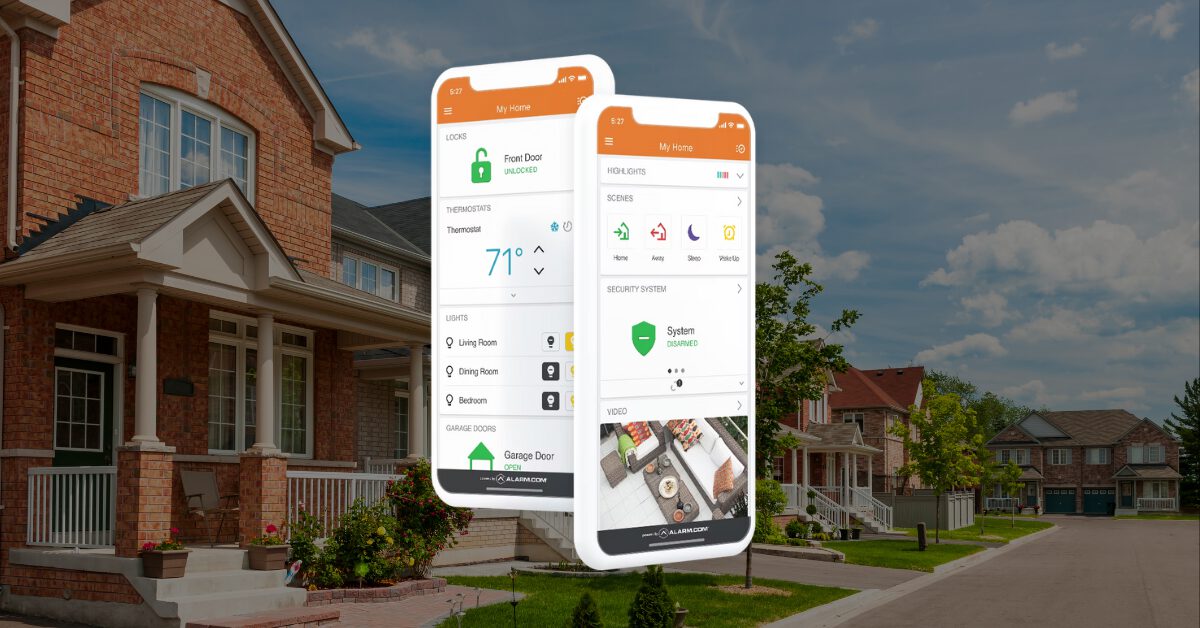
Hunting for apartments? That gleaming smart lock on your dream rental might be your privacy’s worst enemy. While landlords tout keyless entry as a premium amenity, these devices create unprecedented tenant surveillance systems disguised as convenience.
Your entry patterns, guest visits, and daily routines become data streams flowing directly to property management—often without explicit consent or legal protection.
Your Every Move Gets Logged
Smart locks transform doors into data collection points, tracking tenant behavior with military precision.
August Smart Locks automatically log every entry and exit for landlord review, enabling property managers to infer your schedule, detect unauthorized guests, or build harassment cases for eviction. Amazon Ring doorbells compound the problem by recording visitors without tenant control.
Many discover the surveillance only after signing leases containing “Connectivity Clauses.” These provisions treat blocking signals as property tampering, potentially leading to eviction charges. Privacy risks extend beyond landlord monitoring:
- Hacking vulnerabilities
- Data sales to third parties
- Law enforcement access without warrants
Legal Loopholes Leave Renters Exposed
Most states offer zero protection against landlord surveillance through smart home devices.
New York City leads with regulations mandating tenant consent, physical key alternatives, and warrant requirements for data access. California’s Civil Code § 1940.4 restricts forced biometric keys and applies privacy disclosure rules through the California Consumer Privacy Act.
This regulatory patchwork leaves most renters in a surveillance Wild West. Landlords control devices remotely while tenants bear the privacy costs. Companies must minimize data retention, but violations persist with limited enforcement mechanisms.
Fight Back With Strategic Lease Negotiation
Analog alternatives and privacy shields offer practical protection against smart lock surveillance.
Negotiate an “Analog-Key Addendum” before signing—demand traditional key access with security systems deposits if needed. Install non-damaging privacy shutters on cameras and sensors for additional protection.
Require transparency about:
- Data logging
- Vendor access
- Password reset policies
Strong passwords help secure your access codes, though landlords should avoid data collection entirely. These tactics work best during initial lease discussions when your leverage peaks.
Dead zones in tenant privacy rights shouldn’t define your home experience. Smart lock surveillance represents a fundamental shift in landlord-tenant power dynamics, where convenience features mask comprehensive monitoring systems. Your awareness during lease negotiations remains the strongest defense against turning your apartment key into a tracking device.