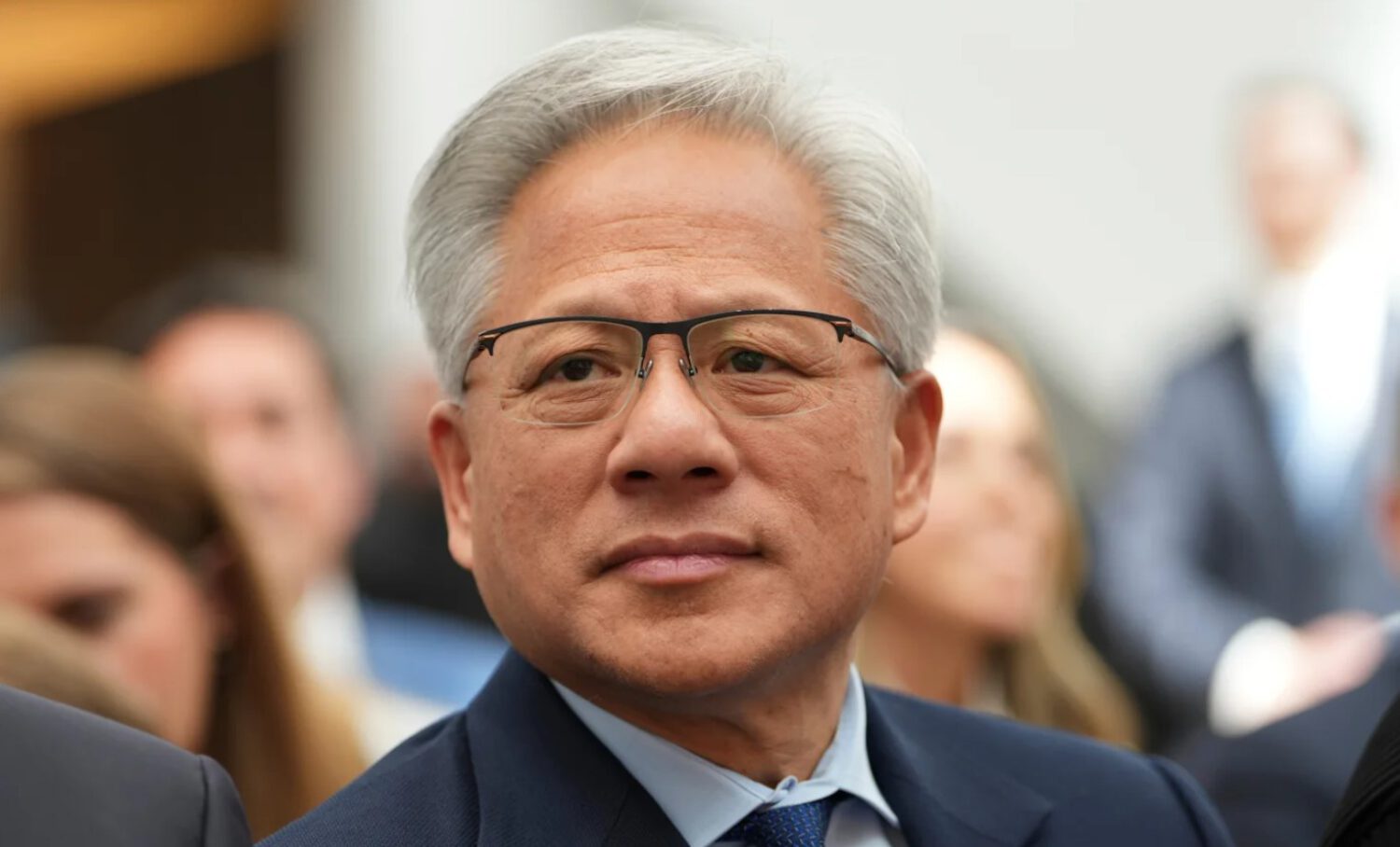
President Donald Trump publicly stated that the FBI is examining Nvidia CEO Jensen Huang’s relationship with a woman U.S. intelligence officials reportedly believe was recruited by China. The FBI declined to provide further comment to the BBC.
Trump told reporters he had spoken directly with Huang, who said he did not know the woman was allegedly a spy. Trump said he believed Huang’s account.
Huang separately acknowledged being unfaithful to his wife and issued an apology. Available reporting identifies no criminal charges against Huang, and Trump’s characterization of the FBI “looking into” the matter does not establish an active investigation with findings.
Nvidia’s Board Assembles Independent Committee After Espionage Reports
The board confirmed an independent review but said it has no current reason to believe company secrets were exposed.
Nvidia’s board responded by assembling a committee of independent directors and retaining outside counsel to review reports that Huang was targeted by a foreign-intelligence effort. Nvidia said it had no reason to believe that national security or company secrets had been compromised, while confirming the board inquiry would examine available information.
The personal-relationship matter and the espionage allegation are analytically distinct from the separate federal inquiry described below. Treating them as a single confirmed scandal would misrepresent what the evidence currently shows.
Alice Huang and Megaspeed: The Chip-Diversion Thread
A Singapore-based data-center company sits at the center of a reported Justice Department investigation into possible export-control violations.
The woman at the center of the espionage allegations is Alice Huang, also identified in some reports as Huang Le. Corporate records reviewed by CNN identify her as a Megaspeed International director from March to November 2023. Megaspeed is a Singapore-based data-center company that reportedly purchased and handled Nvidia technology across Southeast Asia.
The Justice Department has reportedly opened an investigation into whether Megaspeed routed advanced Nvidia AI chips to Chinese customers in violation of U.S. export controls. The inquiry also reportedly examines individuals associated with Megaspeed, including Alice Huang, according to NBC News. Investigators are separately exploring whether the espionage allegations and the reported chip-diversion activity are linked.
Megaspeed disputes those allegations. The company says inspections conducted by U.S. and Malaysian authorities, along with Nvidia, found no evidence of illicit chip transfers or illegal activity. That is Megaspeed’s stated position, not an independently verified conclusion.
A Call to Commerce Raises Governance Questions
Bloomberg’s reporting on contact between Nvidia’s general counsel and a federal official has added a governance dimension to the story.
Bloomberg reported that Nvidia’s general counsel contacted a Commerce Department official during the government’s Megaspeed investigation. That reported outreach raises questions about whether Nvidia sought to influence the probe and what effect the contact may have had on the inquiry. No public response from Nvidia on the substance of that contact was identified in the reporting reviewed.
China’s Foreign Ministry rejected the espionage allegations entirely, describing them as unsubstantiated smears. The denial is China’s official position and has not resolved the underlying U.S. intelligence assessments.
The Stakes Extend Well Beyond One Executive
The convergence of personal, corporate, and federal threads has drawn scrutiny from lawmakers focused on AI chip access and national-security exposure.
U.S. lawmakers have expressed concern, according to reporting reviewed, though available sources do not identify specific members or hearings by name. Congressional interest centers on whether advanced AI chips are reaching Chinese customers through third-country intermediaries despite existing export restrictions. Lawmakers are also asking whether senior technology executives represent vulnerabilities for foreign-intelligence services.
Nvidia’s board inquiry now carries a burden beyond reviewing Huang’s personal conduct. It must also determine whether the reported contact between company personnel and a Commerce Department official raised questions about the Megaspeed probe’s independence. On every front described here, no resolution has been reached.