Navigating the crowded camera market demands sharp judgment when gear can make or break a project. The right camera transforms a solid concept into a visual feast. This curated list cuts through the marketing noise, focusing on devices that deliver genuine power and features that actually show up on screen.
This content may contain affiliate links. If you wish to support us and use these links to buy something, we may earn a commission.
10. DJI Osmo Pocket 4P
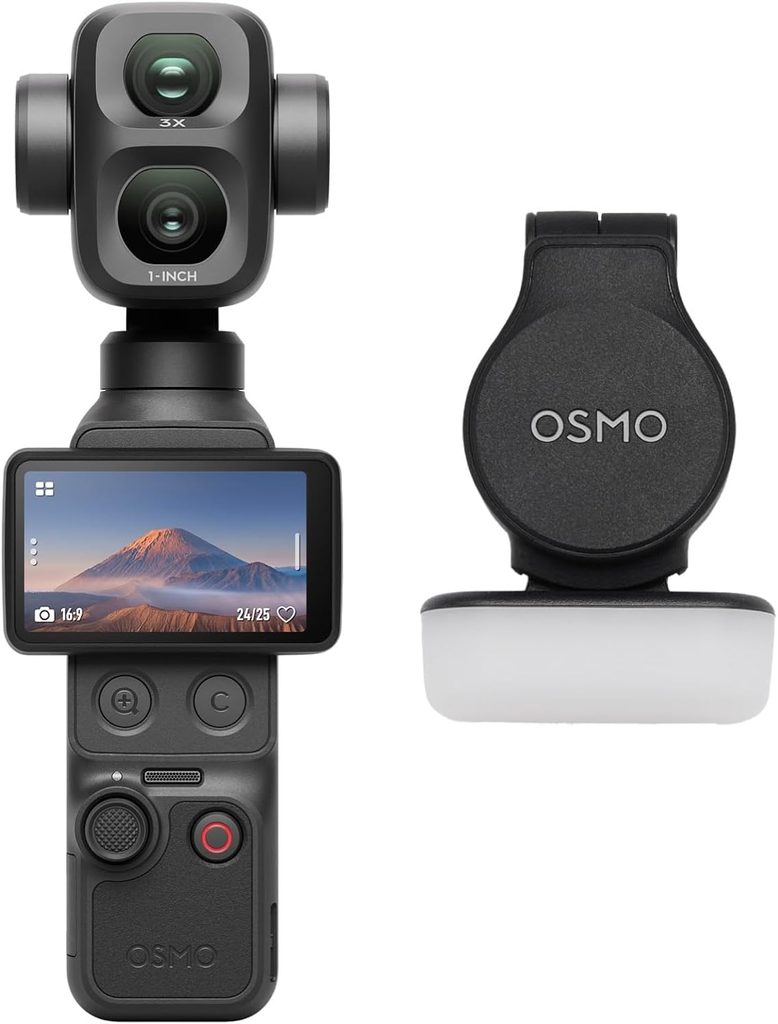
Stabilized 4K shooting in a device small enough to forget in your coat pocket.
The DJI Osmo Pocket 4P delivers professional specs in a chassis you can lose in your jacket. Its three-axis stabilization ensures smooth footage whether you’re running after subjects or walking through crowds. The wide-angle camera captures up to 17 stops of dynamic range with D-Log 2, while a 60mm equivalent telephoto lens adds 3× optical zoom for versatile framing.
This device records 4K at up to 240 fps in 10-bit color, powered by a 1-inch sensor. Run-and-gun documentary work becomes remarkably efficient when your entire rig fits in a palm. The dual-camera system adapts to changing conditions without lens swaps, keeping you ready for whatever happens next. Integrated portability meets serious image quality at approximately $700, though availability varies by region.
9. Blackmagic PYXIS 6K
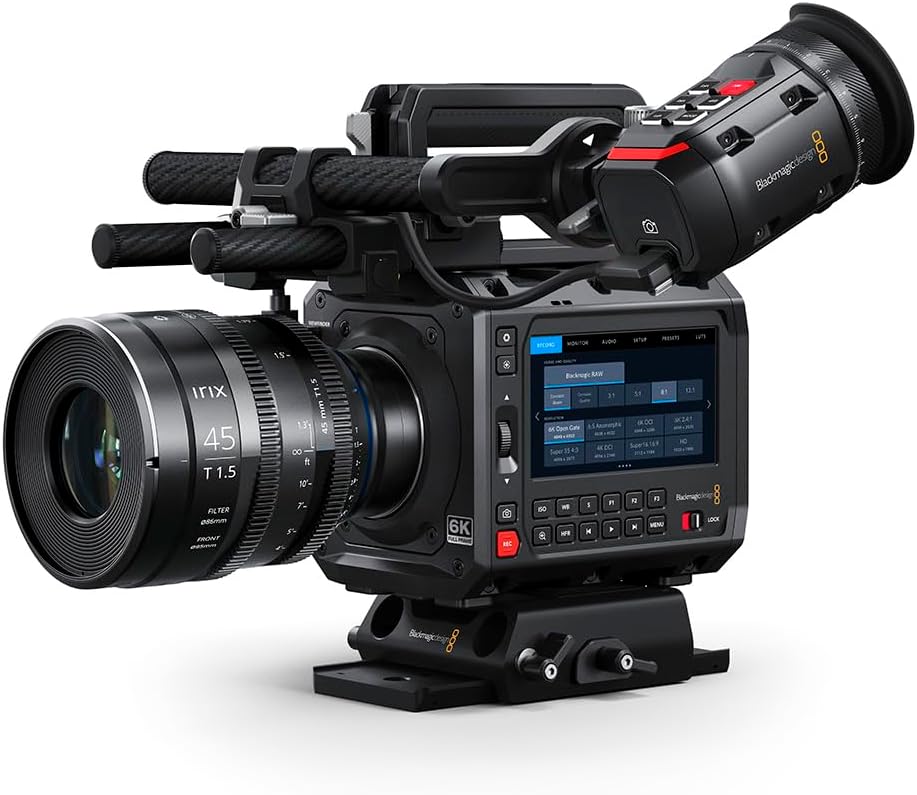
Full-frame cinema RAW recording in a modular box camera built for rigging.
The Blackmagic PYXIS 6K brings a 36 × 24 mm full-frame sensor with 6048 × 4032 native resolution into reach for serious filmmakers. Its 13 stops of dynamic range deliver footage with substantial latitude for post-production grading. Dual native ISO and an optical low-pass filter round out the sensor package.
This box-style camera records 6K open-gate Blackmagic RAW to dual CFexpress Type B cards. Building a production rig around this base lets you customize monitoring, power, and accessories to match your workflow. The modular design accommodates various lens-mount options including L-Mount, PL, and locking EF. Aspiring cinematographers can access professional RAW capture, though external monitoring and power solutions become necessary additions.
8. Panasonic Lumix S1H
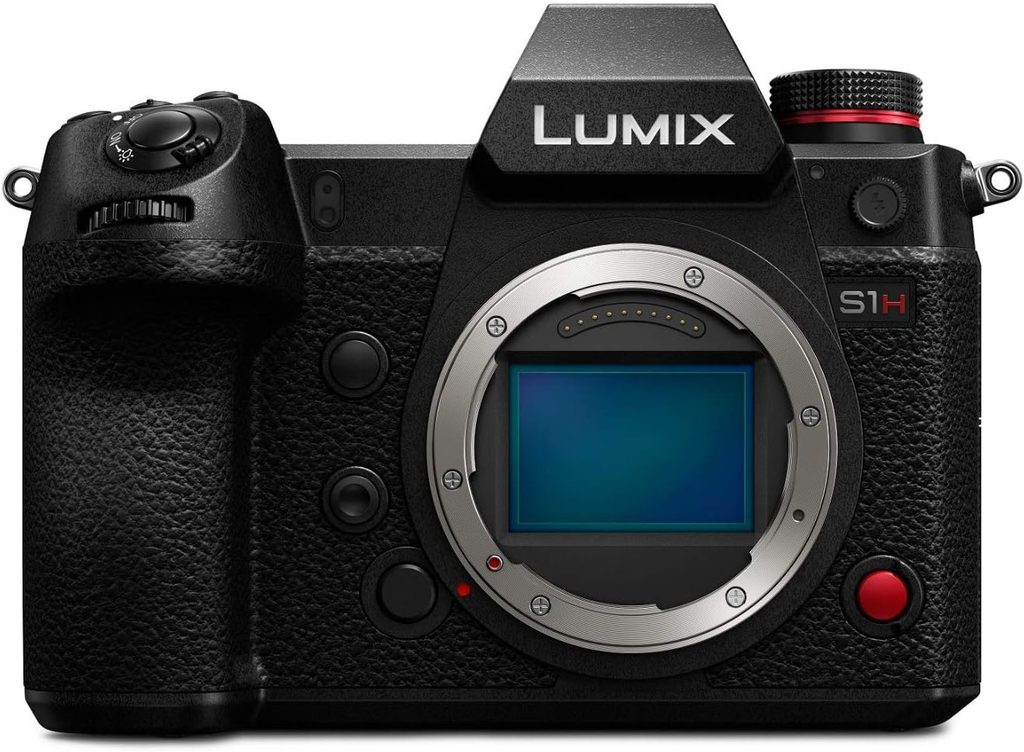
Full-frame mirrorless cinema recording with extensive codec support and professional tooling.
The Panasonic Lumix S1H delivers internal Cinema 4K recording at 10-bit depth, keeping your workflow contained within the camera body. This full-frame mirrorless design supports V-Log/V-Gamut capture for expansive color latitude in post. Professional waveform and vectorscope tools, along with timecode support, make this camera feel more like cinema gear than a stills body.
Internal 4K recording eliminates external recorders for many projects, while the full-frame sensor extracts every detail from challenging scenes. ProRes RAW recording requires compatible external workflows when maximum post-production flexibility matters. High-resolution or high-frame-rate recording can challenge thermal performance during extended takes, so plan longer sessions strategically. The S1H balances versatile recording options with heat management considerations inherent to its compact cinema-oriented design.
7. Sony FX3
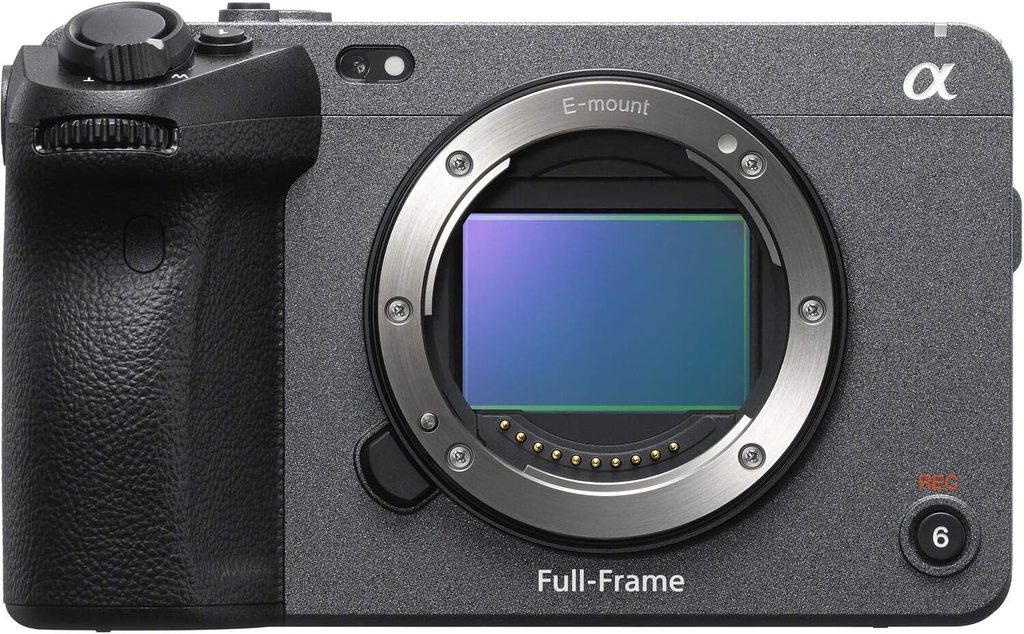
Compact Cinema Line power with dual base ISO and built-in cooling for reliable production work.
The FX3 fits a 35.6 × 23.8 mm Exmor R CMOS sensor into a 640 g body that punches well above its weight class. Dual base ISO values of 640 and 12,800 optimize performance across lighting conditions, while the overall ISO range extends from 80 to 102,400 with expansion to 409,600. Low-light capability makes this camera reliable when available light becomes scarce.
Built-in stabilization and Active Mode keep footage smooth during handheld work. The 3-inch articulating touchscreen provides flexible monitoring angles, while a built-in cooling fan supports continuous high frame-rate recording. These features combine into a package equally comfortable on gimbals, in vehicles, or during documentary runs. At approximately $4,300, the FX3 delivers Cinema Line quality in a remarkably portable form factor.
6. Nikon ZR
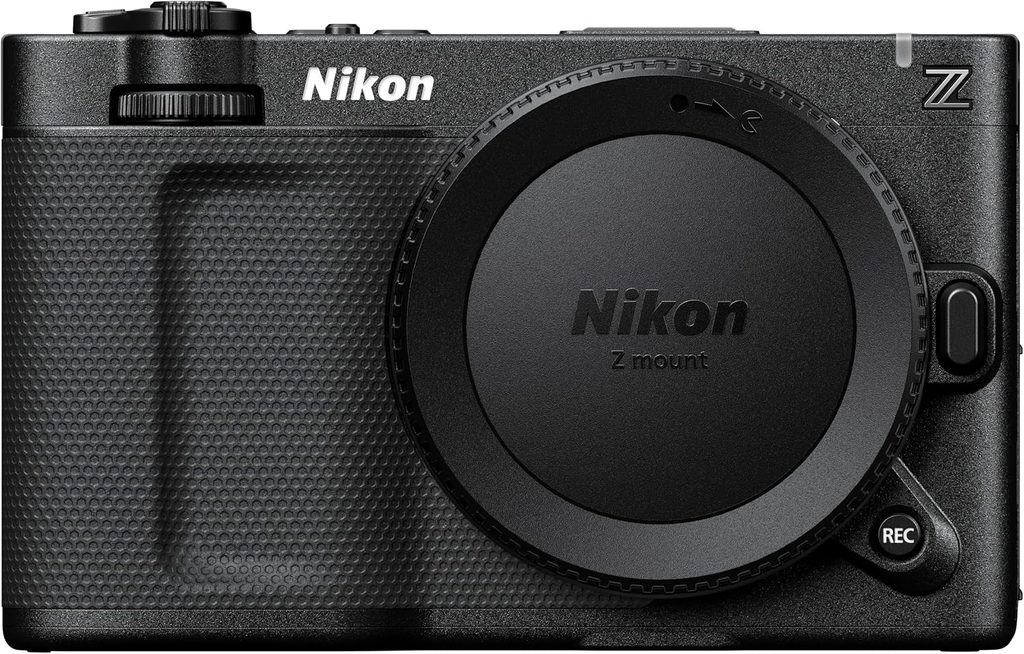
Compact RED RAW recording in a mirrorless-style cinema body with substantial post-production latitude.
Nikon’s partnership with RED brings internal 6K 12-bit RED RAW recording into a compact mirrorless-style cinema camera. This imaging format provides significant latitude for adjusting exposure, white balance, and color during post-production without the quality loss common to heavily processed footage. Anyone who has discovered white-balance errors after a shoot understands the value of that flexibility.
The compact body fits into tight spaces while delivering visual characteristics associated with RED imaging. RAW workflow demands more storage and processing than compressed codecs, but provides corresponding post-production control. Pricing and exact specifications vary by region, so verify current availability and configuration before purchase decisions.
5. Canon EOS C70
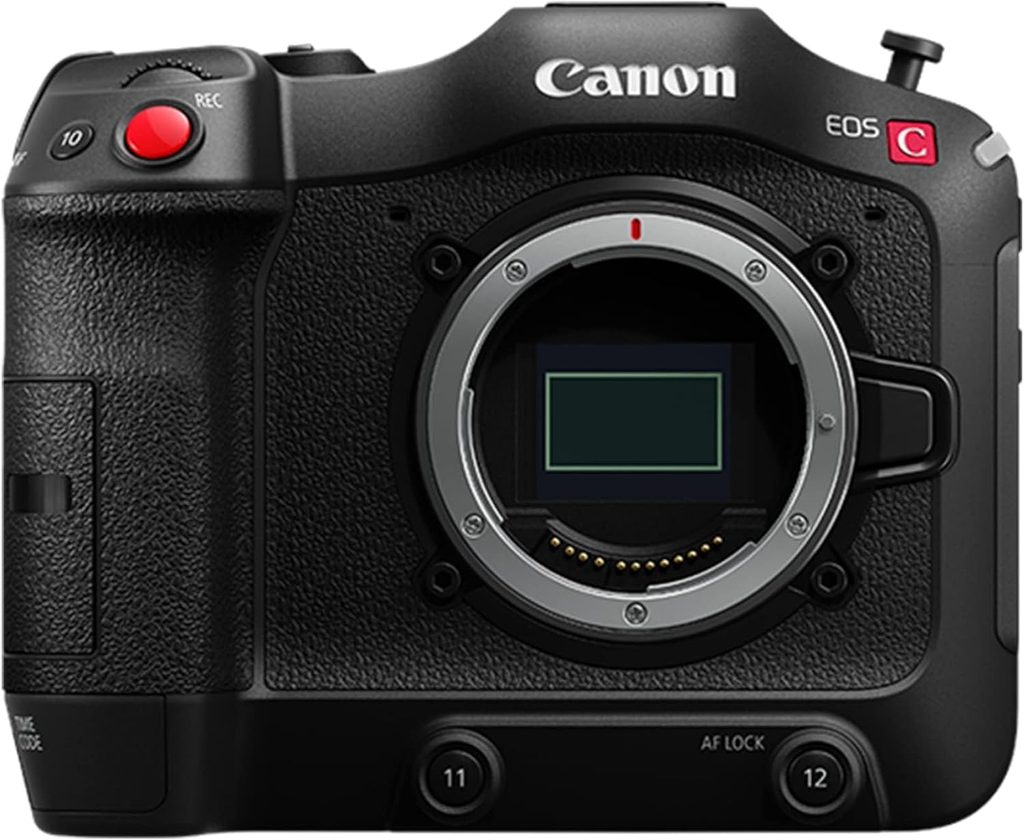
Super 35 cinema camera with Dual Gain Output sensor and integrated ND filtration.
The Canon EOS C70 combines a Super 35 Dual Gain Output sensor with professional production features in a body designed for extended use. Built-in electronic ND filters offer up to 10 stops of reduction, eliminating the need to swap physical filters when lighting shifts dramatically. Documentary work benefits tremendously when the sun appears unexpectedly and exposure adjustment happens instantly.
This camera records 4K at up to 120 fps and supports Canon RAW Light through compatible workflows. Dual Pixel CMOS autofocus keeps subjects sharp without dedicated focus pullers. Professional mini-XLR audio inputs, timecode support, Canon Log 2/3, and active cooling round out the production toolset. The Super 35 sensor format represents the principal limitation compared with newer full-frame alternatives, though Canon’s color science and autofocus remain practical strengths.
4. Sony FX
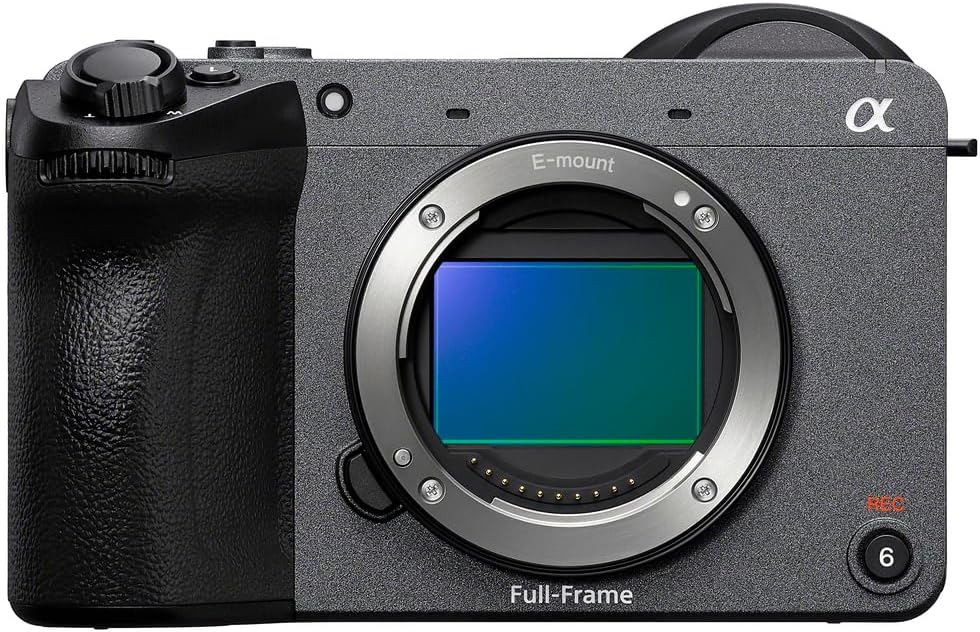
Full-frame Cinema Line recording with internal X-OCN and high-resolution capture modes.
The Sony FX5 packs a 35.9 × 24.0 mm Exmor RS CMOS sensor into a 734 g mirrorless-style body. Recording capabilities include 5K at 60 fps and 4K at 120 fps, along with internal X-OCN recording and open-gate mode. Three base ISO settings of 800, 4000, and 12,800 optimize sensor performance across different lighting scenarios.
In-body stabilization with Dynamic Active Mode handles camera movement, while the compact form factor suits run-and-gun videography. The absence of built-in ND filtration means managing external filters during quick setups, adding friction when lighting changes rapidly. High-resolution internal recording eliminates external recorders for many workflows, though the ND omission becomes a significant production consideration.
3. Sony FX6
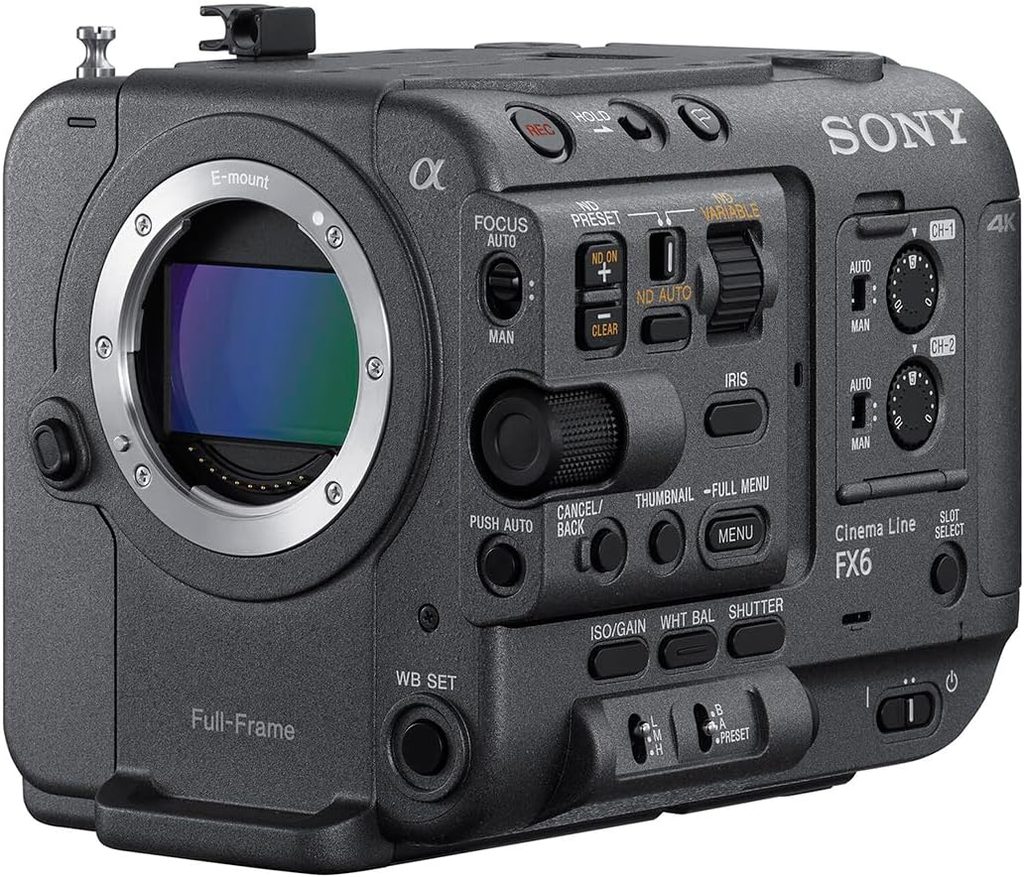
Professional cinema camera with electronic variable ND and extensive production connectivity.
Cinematographers navigating unpredictable outdoor lighting conditions face constant exposure challenges. The Sony FX6, weighing approximately 890 g, addresses these moments with dual base ISO values of 640 and 12,800 for strong low-light performance. Professional cinema connections and extensive codec options keep productions running smoothly across diverse shooting environments.
The electronic variable ND filter automatically adjusts exposure while preserving chosen aperture and shutter settings. Rolling from bright exteriors into shadowy interiors becomes seamless without cutting the take. This system handles fast-moving documentary and production environments where manual filter swaps would kill momentum. The FX6’s traditional cinema-camera layout and professional connectivity distinguish it from smaller Cinema Line bodies designed for solo operators.
2. Canon EOS C80
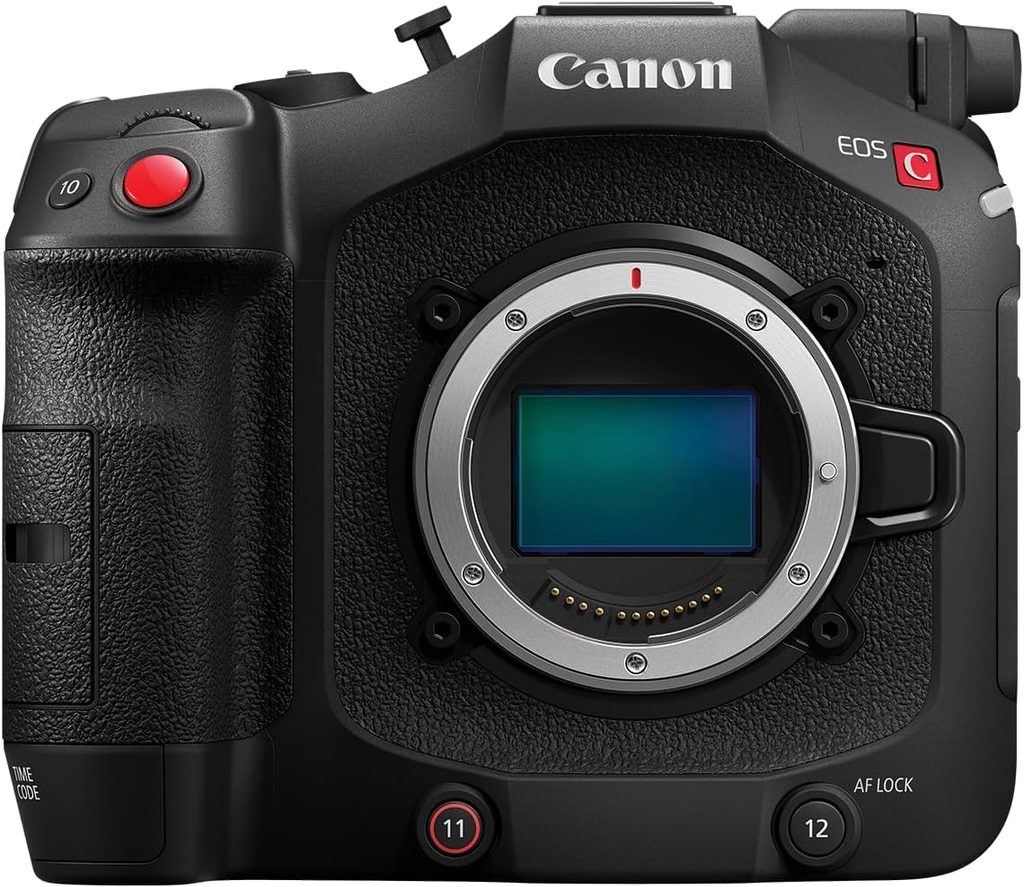
Full-frame cinema camera with 6K RAW recording and integrated production controls.
The Canon EOS C80 brings full-frame depth-of-field and reframing flexibility to Canon’s cinema lineup. This camera offers 6K RAW recording, Canon Dual Pixel autofocus, and built-in ND filtration with up to 10 stops of reduction. Professional audio connections, timecode support, and Canon Log color workflows provide the production toolset expected from cinema cameras.
Shooting wide open in bright sunlight without overexposure becomes straightforward thanks to integrated ND filters. The full-frame sensor delivers shallow depth-of-field aesthetics that make frames feel more immersive, though the C80 uses different sensor architecture than the C70’s Dual Gain Output design. Filmmakers seeking full-frame cinema capture without sacrificing integrated controls will find the C80’s feature set well-matched to demanding production work.
1. Blackmagic PYXIS 12K
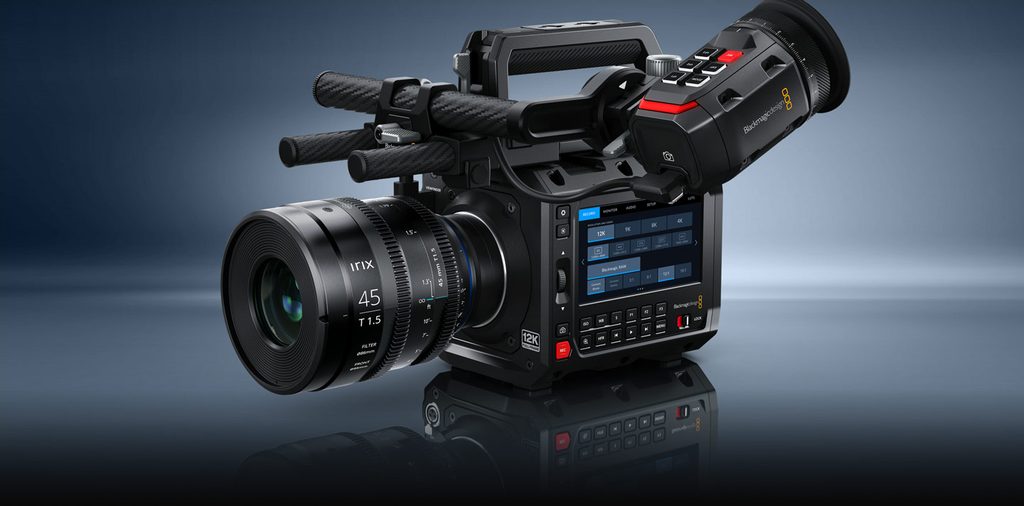
Ultra-high-resolution full-frame cinema camera with 16 stops of dynamic range and flexible reframing.
The Blackmagic PYXIS 12K features a 36 × 24 mm full-frame RGBW sensor capturing 12,288 × 8040 resolution with 16 stops of dynamic range. This camera records 12-bit Blackmagic RAW at up to 40 fps in 12K open-gate mode, directly to dual CFexpress Type B cards. Recording also supports 8K and 4K using the full sensor area for flexible framing options.
Commercial productions delivering content across multiple aspect ratios benefit from reframing latitude that high-resolution capture provides. The 4-inch HDR touchscreen, proxy recording, and multiple lens-mount options support diverse workflows. Storage, processing, backup, and post-production demands represent the practical trade-off for working with ultra-high-resolution RAW files. Budget substantial hard-drive capacity and processing power when 12K becomes part of your workflow.