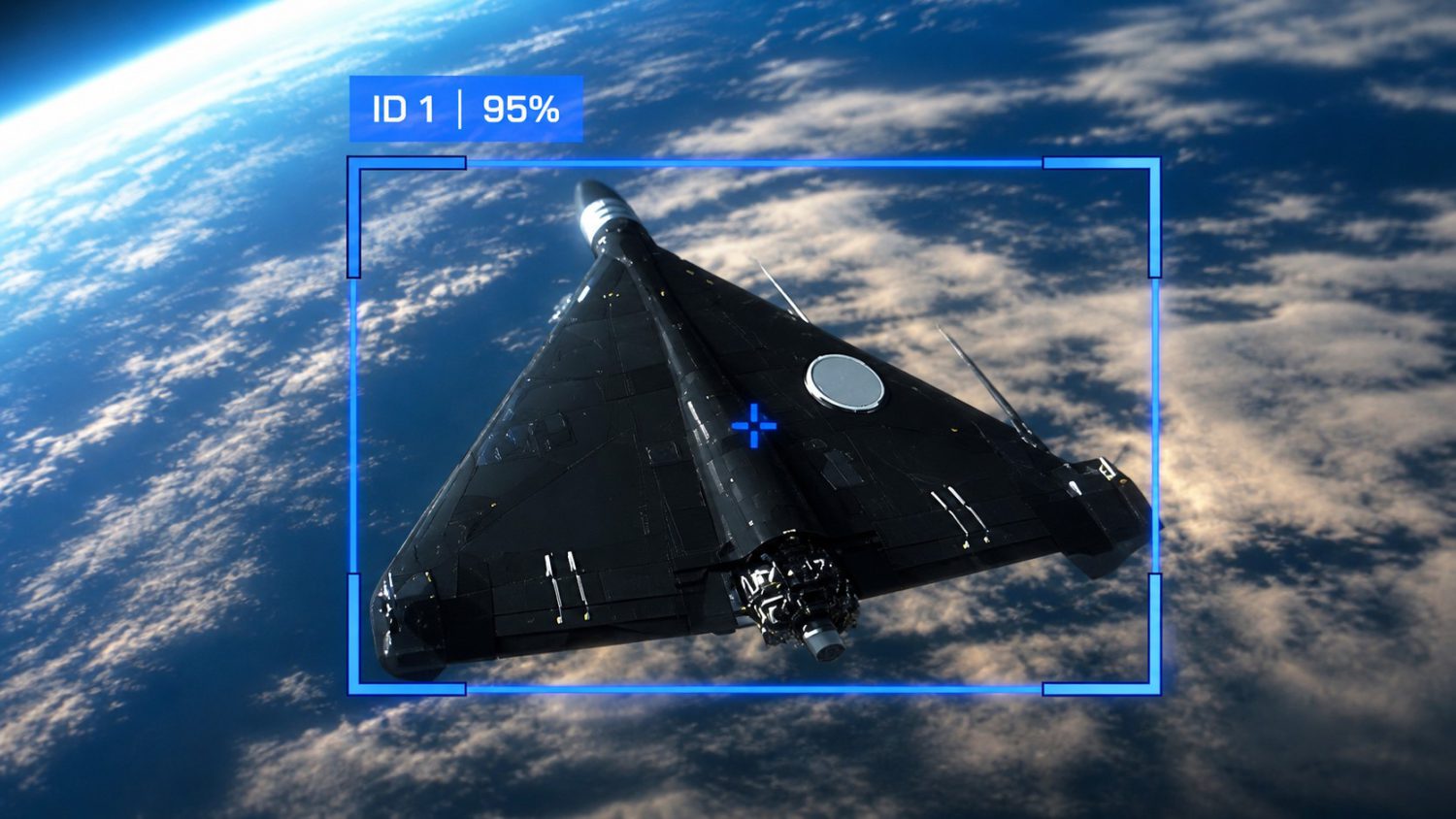
Ukraine’s Brave1 defense-tech cluster coordinates AI development across more than 200 domestic AI-enabled drone companies. More than 70 AI-enabled systems with computer vision are actively striking battlefield targets right now, according to Ukraine’s Ministry of Defence. That’s not a roadmap. That’s not a pilot program. Ukraine’s stated goal is bolder still: equip every single frontline drone with machine vision and AI. The country has turned one of the most intense operational environments on earth into a consequential AI training lab—and the results are already deployed.
The Kill Chain Gets an Algorithm
Ukraine’s DELTA battlefield platform flags enemy hardware in approximately 2.2 seconds, with computer vision maintaining drone guidance even when communications are jammed.
The kill chain—detection, identification, engagement, damage assessment—is the sequence militaries use to go from spotting a target to destroying it. Ukraine is automating large parts of that sequence. Inside DELTA, Ukraine’s battlefield management platform, the Vezha video-streaming module runs AI models that currently detect roughly 70% of enemy equipment appearing in drone feeds, flagging each contact in approximately 2.2 seconds, according to the Ministry of Defence.
GPS denial is Russia’s primary electronic-warfare countermeasure. Ukraine’s answer is computer vision that matches live terrain imagery against stored maps—day or night, signal or no signal. When communications are jammed during a drone’s final approach, the onboard guidance system maintains its lock on the designated target. A human operator authorizes every strike before that terminal sequence begins, though the drone completes the final approach autonomously once cleared.
Five Million Frames of War
Avengers Labs built what amounts to an ImageNet of battlefield footage—and more than 100 companies are now training models inside it.
The data infrastructure running underneath all of this resembles a closed-loop MLOps pipeline, except the training data is live combat footage. The scale is worth pausing on:
- 200+ Ukrainian companies now develop AI-enabled drones
- 46 AI-powered solutions are listed on the Brave1 Market, covering target recognition, optical stabilization, and terminal guidance
- 100+ companies access Brave1 Dataroom, a secure environment for training models without downloading raw footage
- Avengers Labs hosts roughly 5 million annotated battlefield frames—tanks, Shahed drones, artillery, infantry—continuously updated from DELTA feeds
- A1 Defence AI Centre, launched March 2026 with UK backing, aims to coordinate AI adoption across Ukraine’s armed forces
Think of Avengers Labs as what autonomous robotics companies built with dashcam footage, except the edge cases are air-defense systems and the labels matter considerably more than lane markings. Front-line data trains the model. The model deploys to the front line. Repeat. It’s live-service updates, applied to warfare.
Analysts at ASPI Strategist describe the broader dynamic as an “autonomous arms race”—a characterization Ukraine’s officials don’t exactly dispute, even as they insist human operators retain final authority over every strike.
That insistence matters. It’s also doing considerable normative heavy lifting. The trajectory is unmistakable: faster detection, tighter automation, shrinking human decision windows. The feedback loop Ukraine engineered—battlefield data in, deployed capability out—is now a template. The question isn’t whether others will copy it. It’s who builds it next, and under what rules.