The global e-bike market grows rapidly, promising efficient transit and weekend adventures. A short-sighted purchase can turn your dream machine into an expensive paperweight. That sinking feeling when a company vanishes faster than a TikTok trend, leaving you with tech that no longer functions, is all too real. This guide details models that became challenging to maintain, illustrating why long-term support is as crucial as the initial ride. If you want to avoid ending up with a glorified art installation in your garage, keep reading.
9. Ancheer AM001907
Battery fires are a direct threat to riders and property.
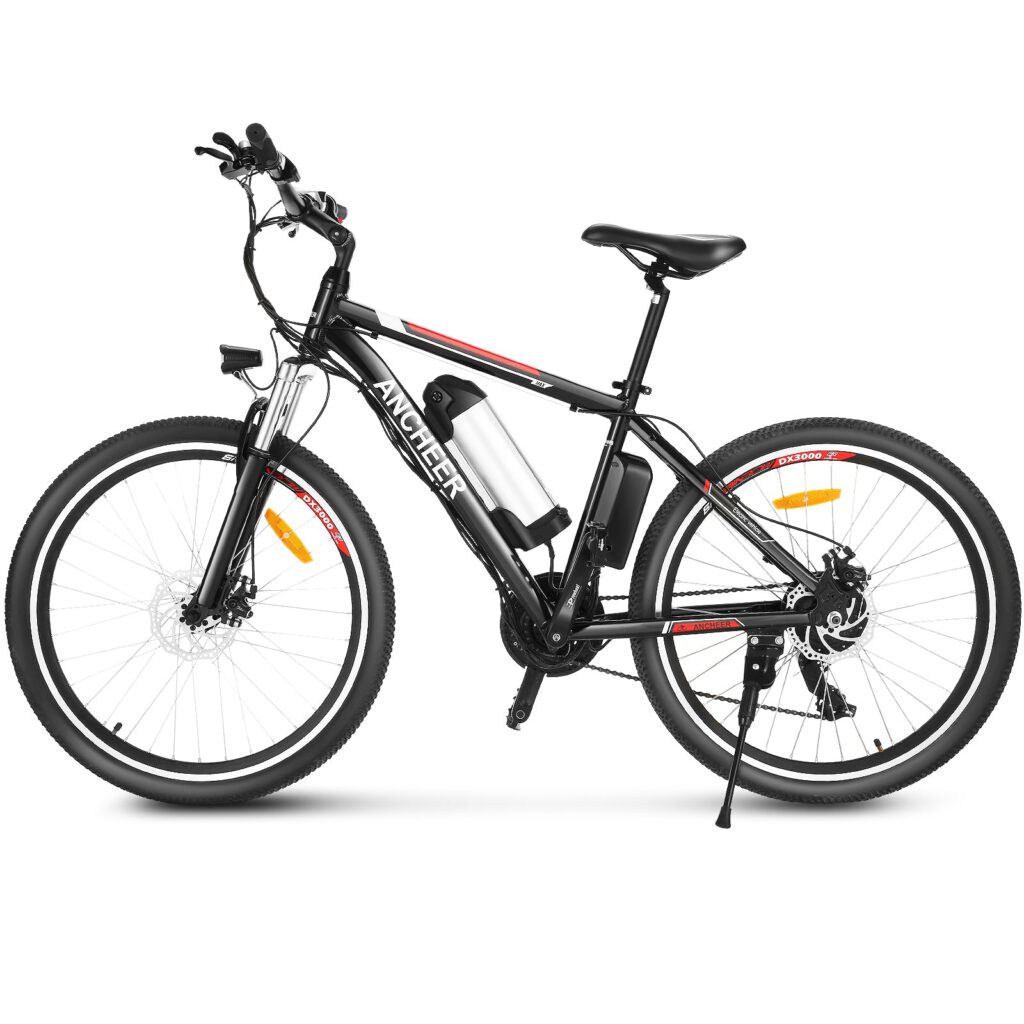
E-bike battery fires are no trivial matter. The Ancheer AM001907, a black 26-inch hardtail bike, faced a recall in October 2022 when about 22,000 units featured lithium-ion batteries with an ignition or explosion risk. The CPSC documented 6 incidents, including 4 reports of burn injuries. This wasn’t just a defect; it was a direct threat to safety.
Identifying an affected bike proved challenging. The model number appeared only on the original packaging and instruction manuals, never physically on the bicycle itself. The distinctive water-bottle-shaped battery offered the clearest way to identify affected units. Consumers were instructed to stop using the bike and contact Ancheer for a free replacement battery and mount, though tracking down the model number added frustration.
8. Sondors Fold X Storm
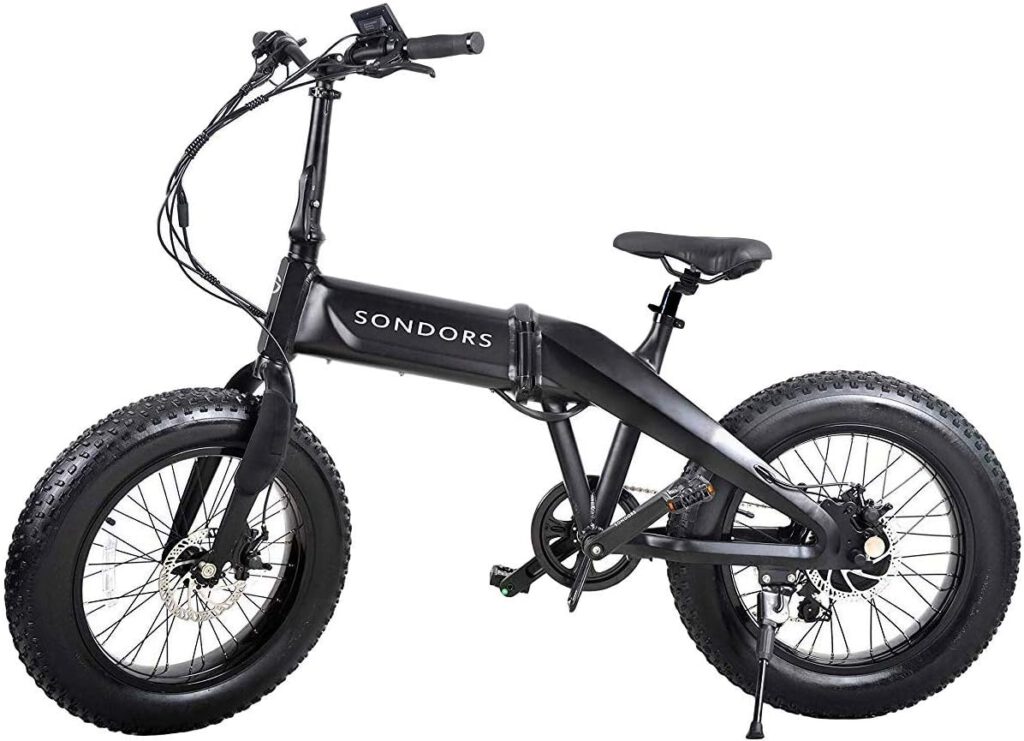
Proprietary components now lack manufacturer support after receivership.
Raising approximately $5 million on Indiegogo in 2015, Sondors initially disrupted the e-bike market with its Fold X. The appeal of an affordable folding e-bike was undeniable, a viral sensation for budget-conscious commuters looking to cut through city traffic. This initial success promised accessible personal mobility to the masses.
The company’s journey soon became less like a smooth bike path and more like a never-ending detour. Following significant delays and unfulfilled promises, Sondors entered receivership in late 2023. While widely available components like derailleur and brake parts remain replaceable, proprietary elements such as the controller, display, and battery mount now face uncertain support under new ownership. This leaves owners of older Fold X models with a machine that’s only partially fixable, a bit like owning a vintage console when the manufacturer stops making controllers.
7. Faraday Porteur
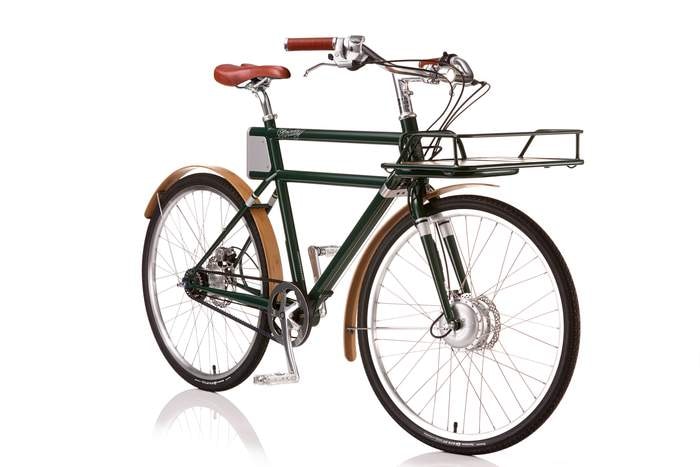
Integrated battery design created long-term replacement challenges.
The Faraday Porteur redefined urban e-bike aesthetics with its minimalist appearance. Its bamboo front rack, leather grips, and subtle brass detailing made it stand out in San Francisco and beyond. The battery, concealed within the frame, contributed to a sleek profile that promised style without visible tech clutter.
This integrated approach, while aesthetically brilliant, morphed into a critical vulnerability for long-term ownership. A July 2019 recall affected 4,450 units due to potential seat post breakage. When Faraday ceased operations later that year, obtaining support for its custom frame-specific battery became significantly more difficult than for bikes with standardized external packs. Anyone who’s tried finding a specialty part for an obscure gadget knows this specific brand of frustration.
6. LBES 1
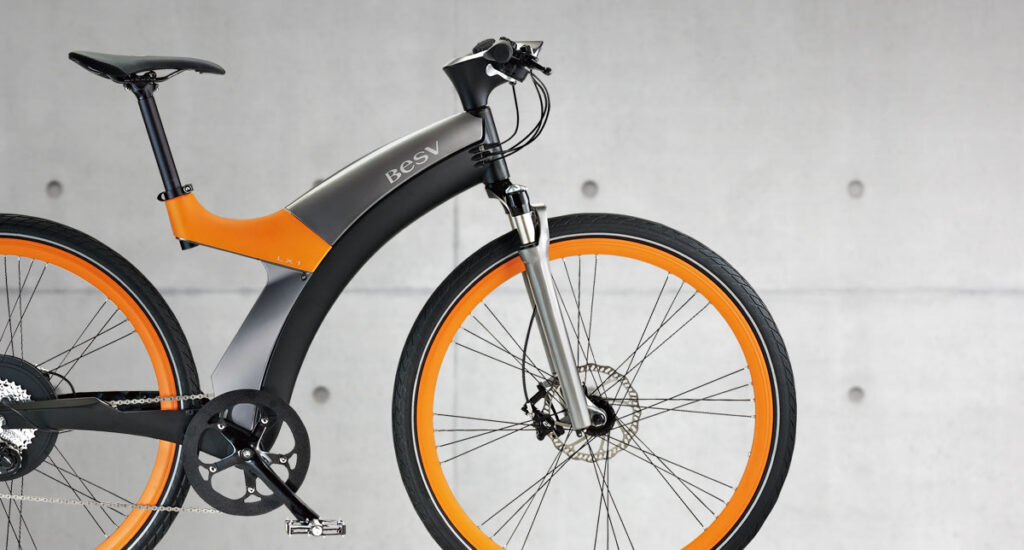
BionX’s bankruptcy left thousands of bikes without proprietary parts.
Tens of thousands of e-bikes across North America and Europe found their operational lifespan dictated by a single supplier. The LBES 1, a low-step Canadian city bike, utilized a BionX drive system distinguished by regenerative braking. Brands like Focus, Kalkhoff, and Raleigh integrated BionX systems across their lineups. However, this closed architecture meant owners were locked into proprietary components, making battery replacement difficult.
BionX’s Canadian parent entered receivership in February 2018, with assets sold by August that year. Owners of these once-innovative bikes suddenly faced a dead end, much like a favorite app going offline without warning. BionX systems used proprietary batteries and electronics, creating substantial difficulty sourcing compatible replacement parts or obtaining software and technical support after the bankruptcy.
5. Electric Bike Company Model R

Customization drove costs up on thin margins, leading to bankruptcy.
Manufacturing bespoke bicycles in the U.S. proved precarious for the Electric Bike Company Model R. Built and customized in Newport Beach, California, this cruiser-style e-bike offered extensive options, letting buyers pick paint colors and components. While charming, this approach drove up production costs on already thin margins. The company filed for bankruptcy in late 2025 with approximately $6.1 million in liabilities against $953,000 in assets.
While common parts like brakes remain serviceable through independent bicycle shops, the battery, controller, wiring harness, and frame-specific electronics may be more difficult to replace. Standard components such as wheels, cranks, and saddles can still be maintained, but proprietary electrical systems face uncertain support. The company indicated it intended to liquidate rather than reorganize, further complicating long-term parts availability.
4. Juiced HyperScrambler 2
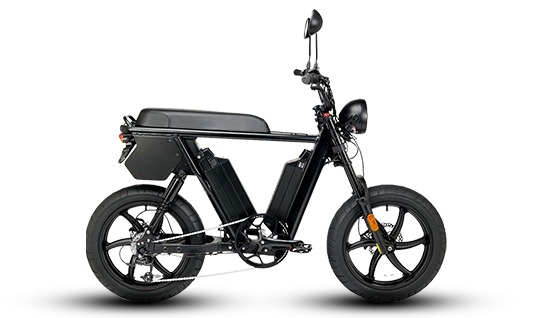
New ownership did not include all older inventory or warranty obligations.
The Juiced HyperScrambler 2 once commanded respect, delivering advertised range up to 100 miles on a single charge. This moped-style e-bike packed dual batteries totaling approximately 2,000 Wh and a 1,000-watt motor, alongside dual suspension, hydraulic brakes, turn signals, and mirrors. Initially priced around $2,700, it offered true freedom to roam.
Then the original Juiced Bikes stopped operating in 2024, and its assets were later auctioned. A new owner acquired the brand name and intellectual property in 2025, but the transaction reportedly did not include all older inventory or warranty obligations, creating uncertainty for owners of earlier HyperScrambler 2 bikes. If you own one, you now face uncertainty about parts and support, though some compatible components remain available through aftermarket suppliers.
3. VanMoof S4 and X4
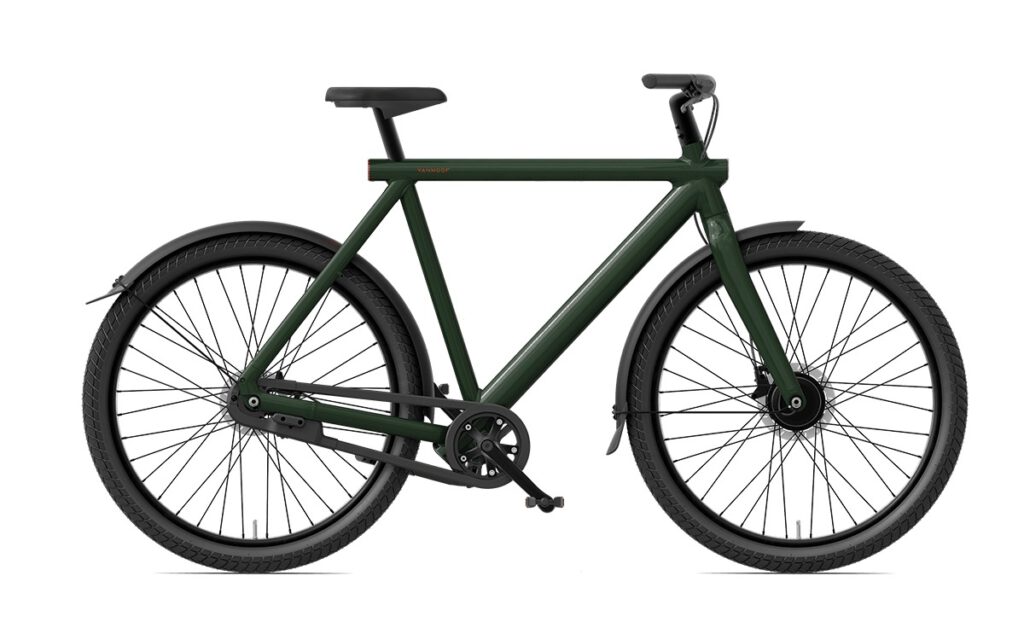
Server dependency risked leaving bikes without unlock credentials.
The promise of a smart bike, seamlessly connected, often masks a hidden vulnerability. VanMoof relied on server-generated rolling codes for Bluetooth unlocking across approximately 190,000 bikes by 2023. When the company’s original entities filed for bankruptcy in Amsterdam in July 2023, owners faced potential digital obsolescence. Without servers, generating unlock codes could become impossible or severely complicated.
A surprising rescue came from Belgian competitor Cowboy, which rapidly released a free app letting VanMoof owners locally generate and store their keys while the original servers remained available. VanMoof was subsequently acquired and restarted; repair manuals and technical drawings were published for owners and independent repairers. Still, replacement-parts availability has historically been stronger for older S3 and X3 models, creating concerns about long-term support for S4 and X4 owners.
2. Surron Light Bee X
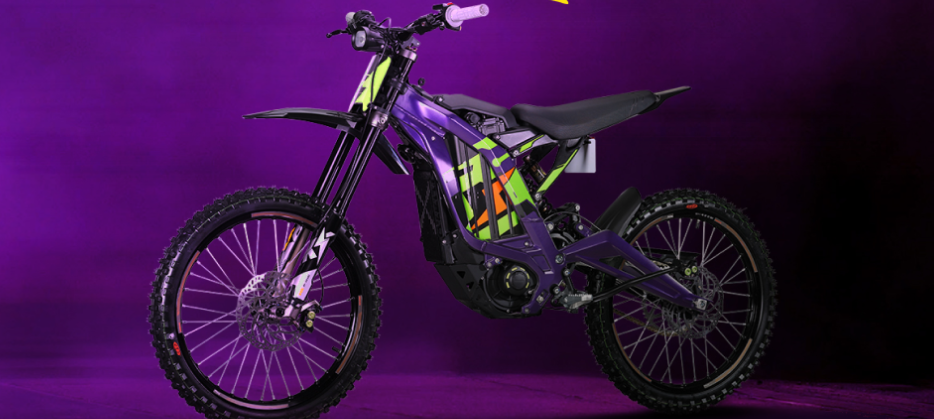
Speed and power can exceed e-bike classifications, requiring motorcycle licensing.
Ever wonder if that “e-bike” is actually a motorcycle in disguise, legally speaking? The Surron Light Bee X, a lightweight electric motorcycle frequently marketed alongside e-bikes, can exceed ordinary e-bike classifications with its speed and motor output. Depending on jurisdiction, a vehicle capable of exceeding statutory e-bike speed limits or using a motor above the permitted rating may require motorcycle-style licensing, registration, insurance, or equipment.
Classification is state-specific; owners should not assume that bicycle treatment applies merely because the vehicle has pedals. Getting these bikes registered can be tougher than finding decent Wi-Fi at a festival, directly impacting their resale value. Before purchasing, verify whether the Light Bee X meets your jurisdiction’s e-bike definition or whether it will require motorcycle registration and compliance.
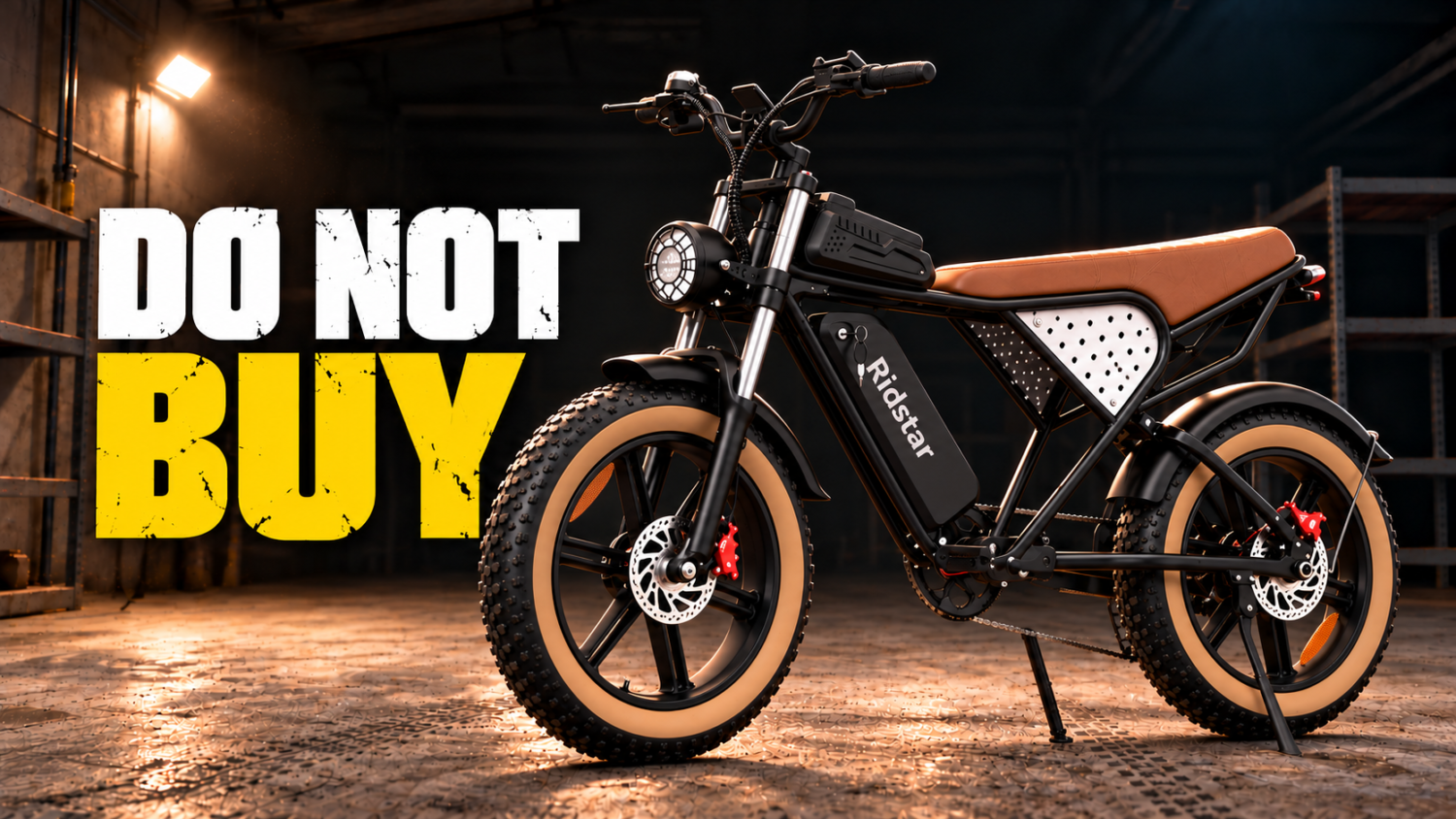
1. Ridstar Q20
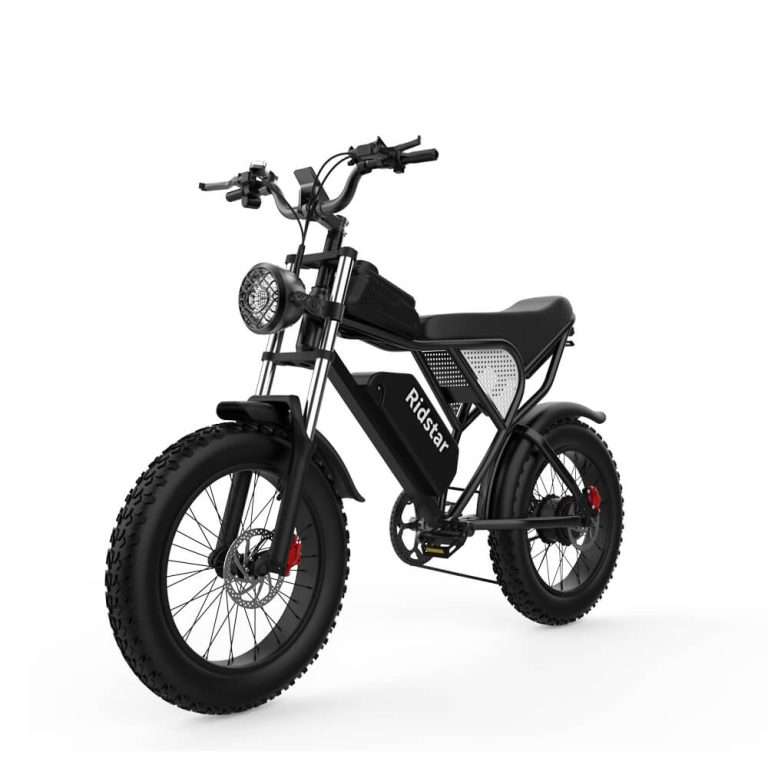
Manufacturer unresponsiveness left fire and crash hazards unaddressed.
E-bike safety regulation has seen significant shifts, with recent CPSC warnings highlighting alarming patterns. The Ridstar Q20 and Q20 Pro received a March 2026 CPSC alert regarding battery and wiring ignition risks. This warning cited 11 fire incidents, which led to 1 burn injury and 5 smoke inhalation cases, with property damage reports totaling over $40,000. Finding out your new e-bike carries fire risk is like discovering your smart oven prefers to burn down the house.
A subsequent CPSC warning on June 25, 2026, addressed the Q20, Q20 Pro, and Q20 Lite front-wheel detachment reports, which created a crash and serious-injury hazard. Despite these serious hazards, the CPSC reported that the manufacturer was unresponsive to requests for information or a recall. The agency advised consumers not to sell or give away the affected bicycles and to dispose of defective lithium-ion batteries through appropriate hazardous-waste channels.