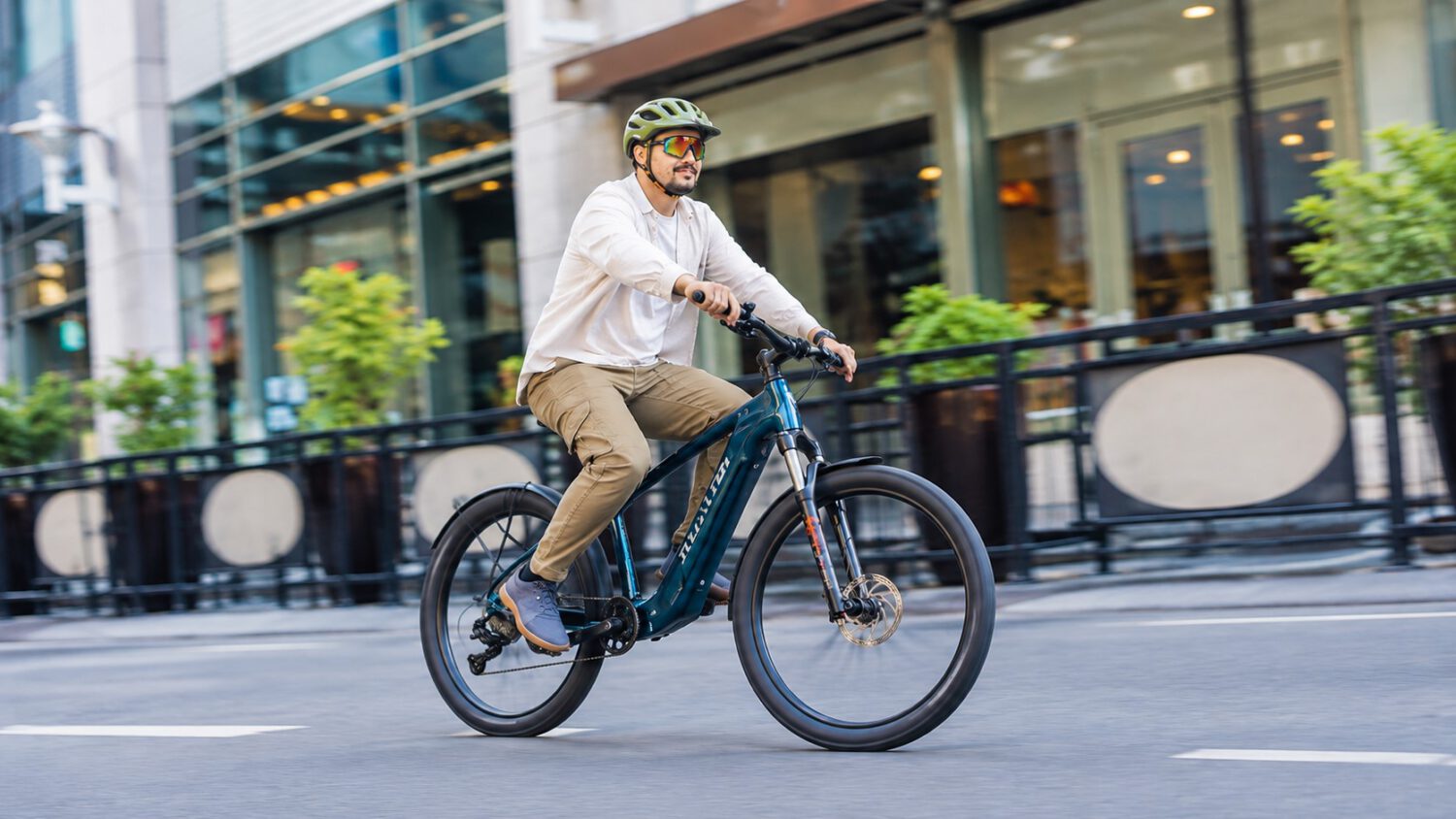
Your $2,000-plus e-bike is locked outside a coffee shop, and you cannot remember if you chained it to the rack or left it by the door. Velotric now has an answer for that specific, sinking feeling. The brand has rolled Android Find Hub support across three models: the Discover 3, Discover M, and Summit 2.
This is a location tool. It is not a lock, and it does not stop anyone from walking away with your bike gadgets.
What the Feature Actually Does
Android Find Hub lets you locate a compatible Velotric bike through the Google device-finding network on any Android device. According to Velotric, a household can share monitoring duties across family members or trusted contacts.
On the Discover M specifically, Find Hub arrives alongside NFC card unlocking and full app connectivity. That combination gives the Discover M the most complete digital feature set of the three supported models.
Across all supported bikes, the practical limit is the same: Find Hub reports where the bike is or was last detected. It does not immobilize the bike, prevent someone from lifting it into a vehicle, or guarantee a police recovery.
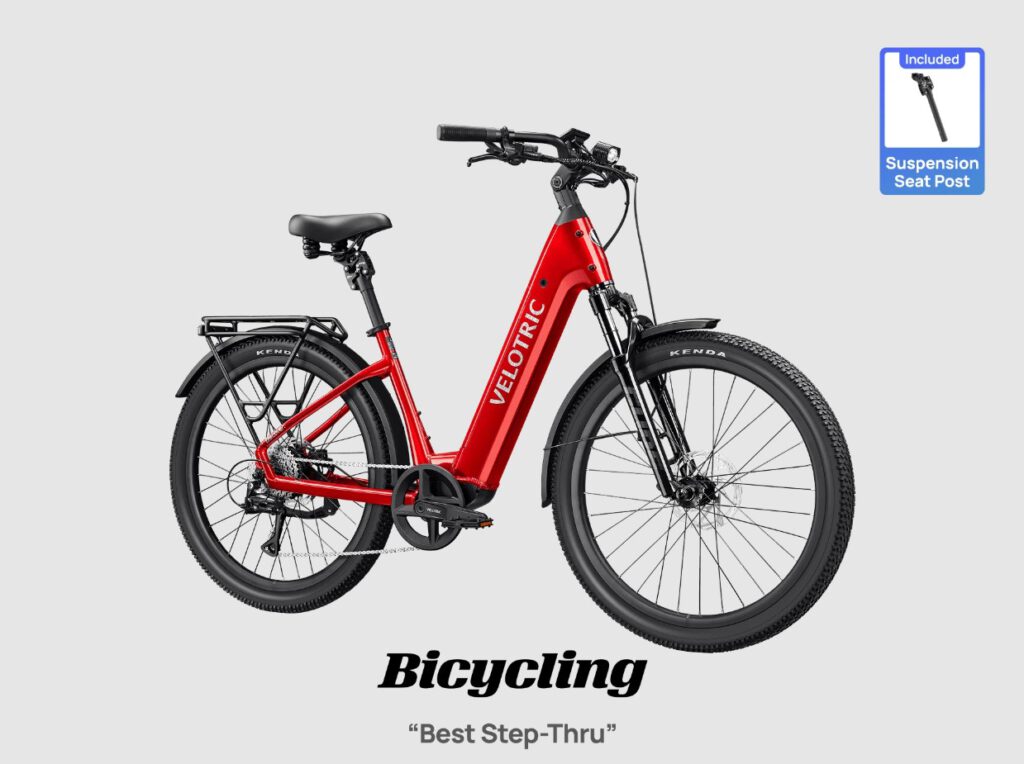
The Three Models
Each of the three Find Hub-compatible Velotric models covers a distinct riding use case, from daily commuting to mixed-terrain adventure.
The Discover 3 ($1,999) was the first Velotric model to support Android Find Hub. Per manufacturer specifications, it runs a 48V, 750W motor with 1,100W peak output, a 730Wh battery, hydraulic disc brakes, and an 8-speed drivetrain, with a listed range of 80 miles and switchable Class 1, 2, and 3 modes.
The Discover M ($2,499) is a mid-drive model built on Velotric’s VeloCore system. It pairs a 500W motor and 100Nm of torque with an 801.6Wh battery, an air-suspension fork, and a 9-speed Shimano CUES drivetrain, with a manufacturer-listed maximum range of 95 miles.
The Summit 2 ($2,099) is built for mixed-terrain riding. It runs a 48V, 750W motor, a 120mm front suspension fork, a 9-speed Shimano drivetrain, and the same manufacturer-listed 95-mile range. Three distinct use cases now share a single connected security layer: commuting, natural mid-drive pedal feel, and paved-to-trail riding.
Why This Matters for the Market
Embedded Find Hub support means you may not need to buy a separate Bluetooth tracker and figure out where to conceal it inside the frame. That convenience is meaningful for a product category where bikes regularly retail above $1,500.
The caveats are equally real. The feature’s usefulness depends on the bike’s battery status and the density of nearby participating Android devices. It also requires correct account setup before anything goes wrong. Think of it like having Live Location shared in a group chat versus actually watching someone’s car: useful context, not a security detail.
A physical lock, bike registration, and a review of your insurance requirements remain important parts of any complete ownership plan.
The Larger Shift
Connected security features are moving from premium differentiators to expected inclusions on higher-value e-bikes. Location services, digital keys, NFC unlocking, and over-the-air updates are all part of that shift.
Android Find Hub is a useful layer. It is not a complete security plan.