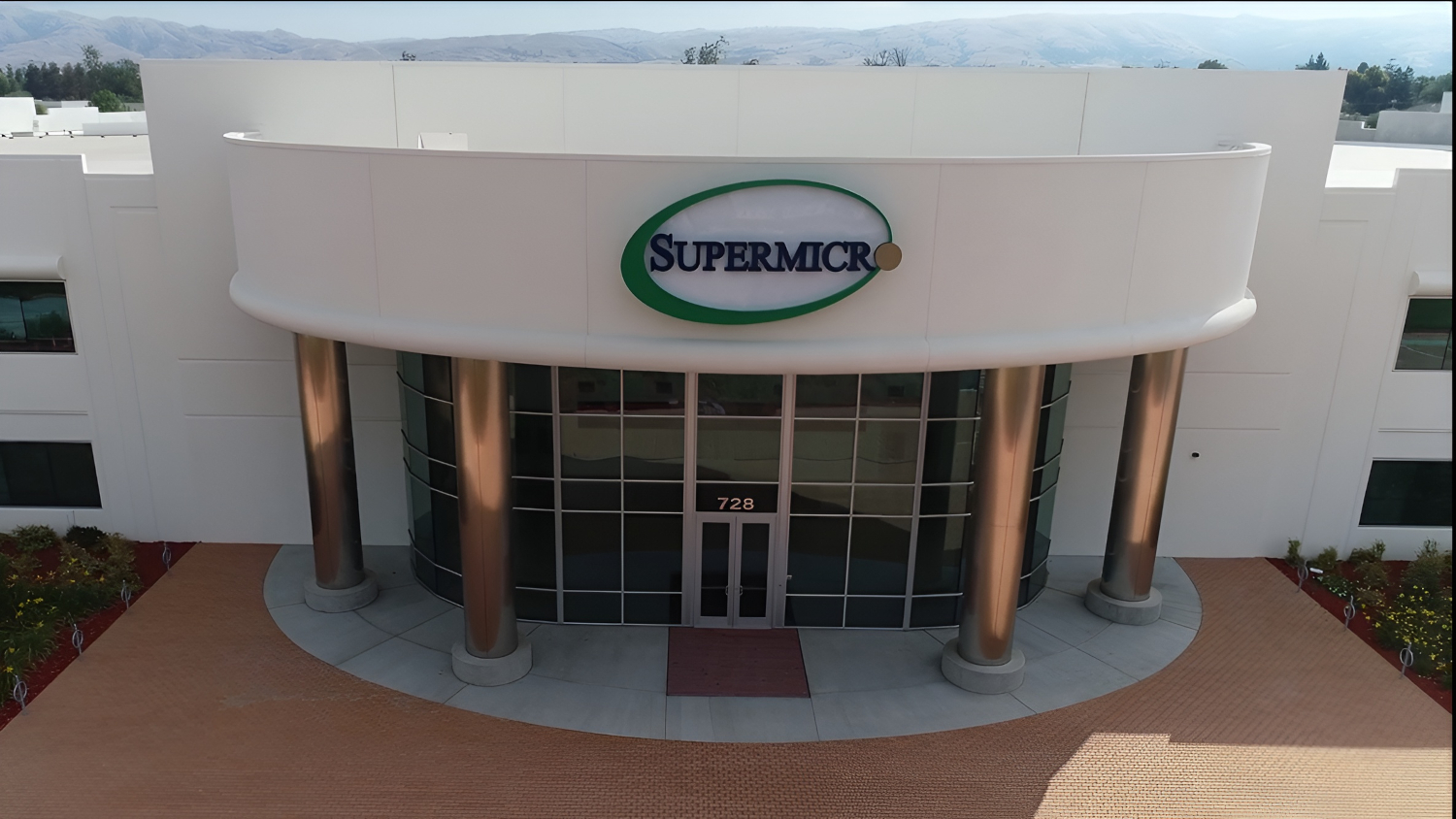
A consolidated shareholder lawsuit against Supermicro centers on roughly $2.5 billion in servers containing Nvidia GPUs. Prosecutors allege those servers were sold to Chinese end users through a Southeast Asian intermediary, according to the criminal indictment. The shareholder suit is a civil complaint, and no judicial finding of liability has been made against any party named in it.
What the Shareholders Allege
The complaint places Chen at the center of Supermicro’s Nvidia GPU acquisitions and argues she could not have been unaware of the alleged illicit sales.
According to the complaint, Cenly Chen managed Supermicro’s acquisition of Nvidia GPUs and decided how those chips were distributed to customers. The complaint states there was “no way Cenly Chen lacked knowledge” of the alleged illicit sales. That is a shareholder allegation, not a court ruling.
A former Supermicro sales director cited in reporting on the lawsuit claims Chen departed after emailing Nvidia about chips whose serial numbers were linked to GPUs allegedly diverted to China. That account originates in the complaint and has not been independently verified.

Who Chen and Puri Are
Chen left Supermicro in spring 2026 and later became CEO of an AI-infrastructure company; Puri was among Nvidia’s most senior sales executives before moving to an adviser role.
Chen served as Supermicro’s Chief Growth Officer before leaving in spring 2026. She subsequently became chief executive of ChronoScale, an AI-infrastructure company described in reports as an Nvidia cloud partner.
Jay Puri held the title of Executive Vice President of Worldwide Field Operations at Nvidia, one of the company’s most senior sales roles. He stepped down from that position in 2026 and continued as a senior adviser, according to reports.
Reports identify Chen and Puri as married. That reported relationship placed two senior sales figures at the intersection of Nvidia’s GPU supply chain. It does not establish coordination, shared knowledge, or wrongdoing by either person.
Supermicro Pushes Back
The company disputes the complaint’s core claims about Chen’s role and characterizes her departure as voluntary.
Supermicro disputes the complaint’s characterization of Chen’s responsibilities, saying she did not manage its Nvidia relationship or control GPU allocation. The company describes her departure as voluntary and says it cooperated with the government investigation.
The Criminal Case Is Separate
Three individuals connected to Supermicro face criminal charges; the company itself was not indicted, and neither Chen nor Puri has been charged.
Three individuals connected to Supermicro were indicted or arrested in the criminal investigation, according to DOJ reporting. They are co-founder Yih-Shyan “Wally” Liaw, Steven Chang, and Willy Sun. Liaw and Sun were arrested while Chang was reported to remain a fugitive at the time charges were announced. Supermicro itself was not among the defendants.
No criminal charges against Chen or Puri were identified in the cited reporting as of publication.
A Supply-Chain Problem With Wider Implications
The alleged scheme highlights how export restrictions on AI chips can be circumvented at the finished-product level rather than through direct component shipments.
Prosecutors allege the diversion ran through a Southeast Asian intermediary rather than through direct chip shipments. That approach, as alleged, operates at the finished-product level, moving GPU-equipped servers rather than standalone chips across restricted borders.
The case raises unresolved questions about serial-number tracking, customer screening, and distributor oversight across the AI hardware supply chain. Those questions remain analytical implications drawn from the litigation, not findings established by any court.