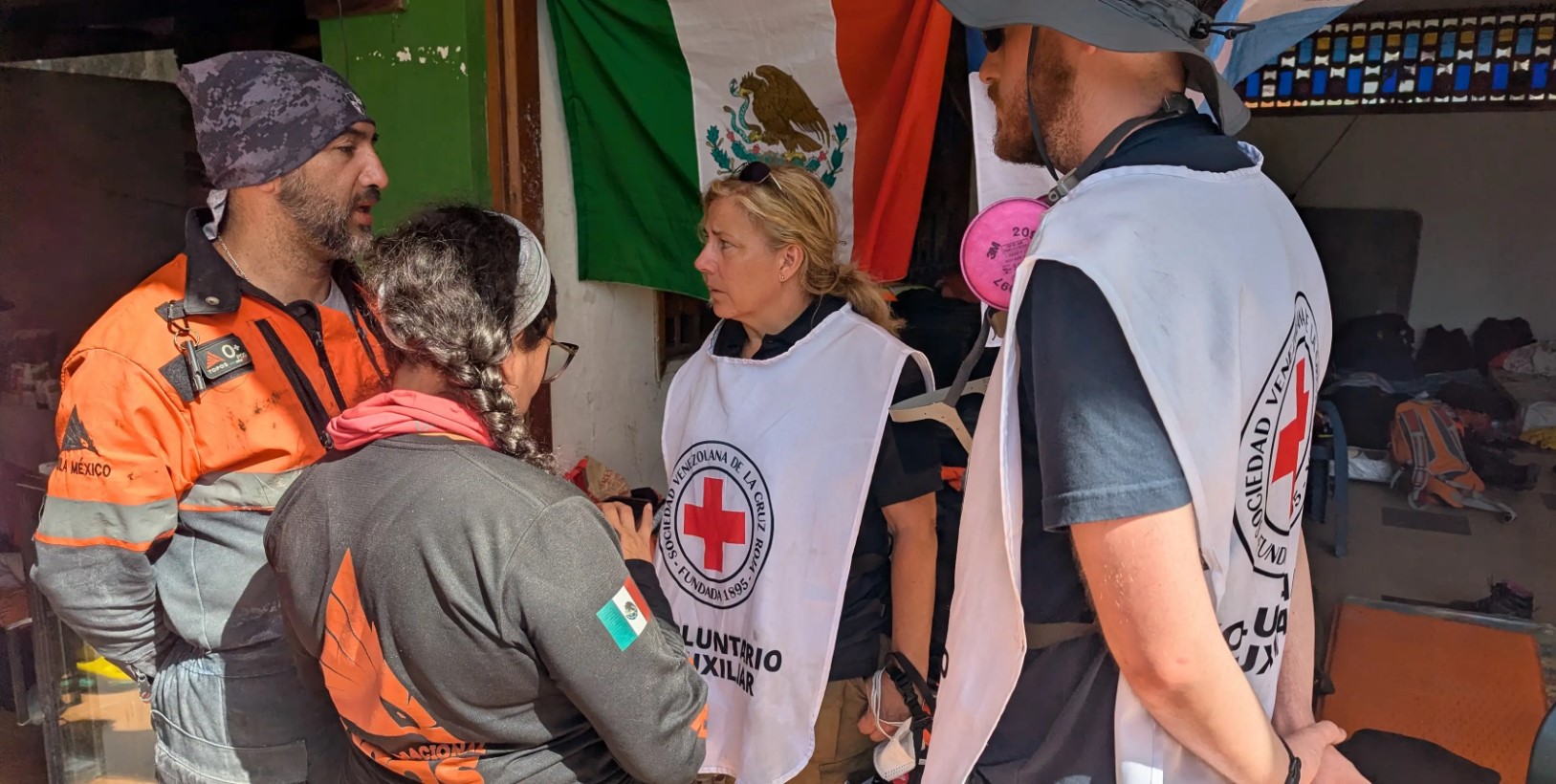
When two massive earthquakes struck Venezuela on June 24, 2026, rescue teams faced a familiar nightmare: collapsed buildings with gaps too narrow and unstable for any person to enter safely. Within days, a robotics team from Carnegie Mellon University’s Biorobotics Lab landed in the country, carrying modular snake robots designed to thread into exactly those spaces. The deployment came at the request of Beatriz Gonzalez, a Venezuelan living in Atlanta who connected CMU researchers with international search-and-rescue crews already on the ground, according to the Tribune-Review.
Surgery on a Building
Five centimeters wide and controlled like a PlayStation, these robots perform reconnaissance where rubble makes the rules.
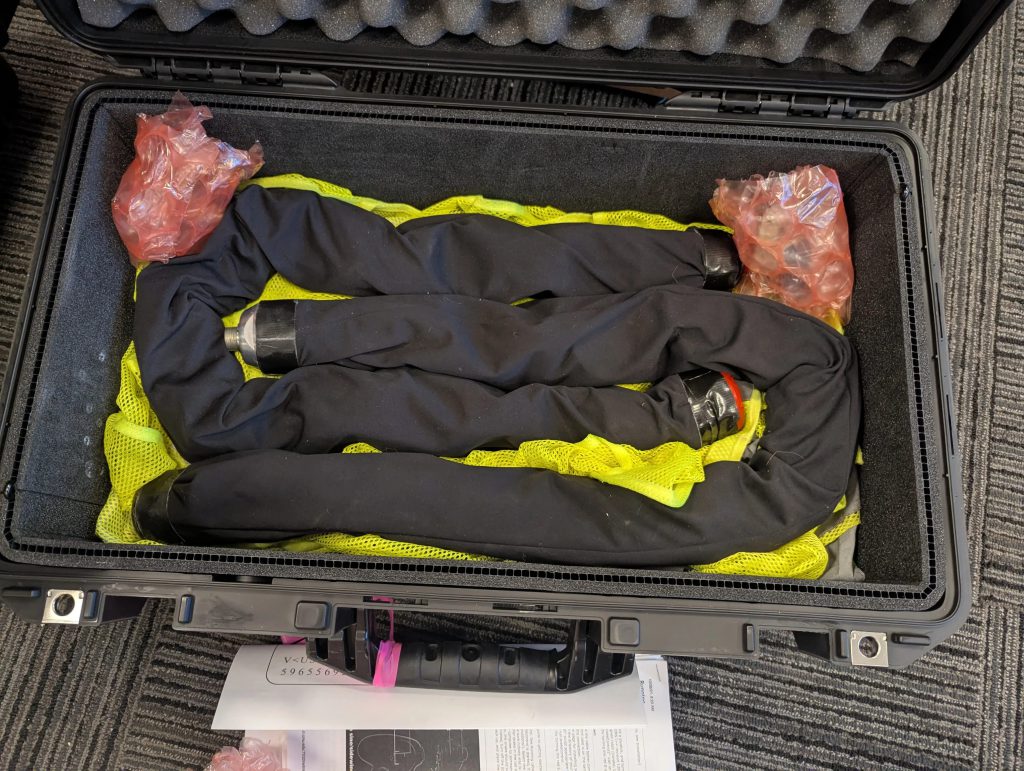
The robots themselves are strange, elegant machines. Roughly five centimeters thick and about a meter long, each one consists of linked segments that undulate through gaps, with a front-mounted camera feeding video back to an operator. That operator controls the device “like a video game console,” according to the Tribune-Review. The experience reportedly resembles navigating a first-person game — except the stakes involve actual human lives buried under concrete. Howie Choset, who leads CMU’s Biorobotics Lab, has described the approach as “minimally invasive surgery” on a structure, according to IEEE Spectrum. The robot threads through tightly packed volumes without shifting debris that could crush anyone trapped below.
Honest Limits
No rescue robot has directly saved a life yet — but confirming a void is empty can be just as critical.
The critical caveat deserves emphasis: no snake robot has been directly credited with locating and saving a trapped survivor. Not in Venezuela. Not in the 2017 Mexico City earthquake, where CMU first field-tested the technology. The real value is subtler. Confirming that a void is empty lets teams redirect to areas where survivors might actually be. With over a million people affected and damage that a joint UN–World Bank assessment estimates in the tens of billions of dollars, that kind of triage saves time — and time is oxygen.
The Bigger Swarm
Snake robots are just one species in an emerging ecosystem of miniaturized rescue machines.
These snakebots are not working alone. Micro “cockroach” drones equipped with thermal imaging cameras are also crawling into Venezuela’s wreckage, detecting heat signatures and relaying data back to crews, according to ABC News Australia. This deployment could push rescue robotics from lab curiosity to standard kit — the way dashcams went from novelty to insurance necessity. Future snake robot versions will likely carry:
- LiDAR for 3D mapping
- AI algorithms to automatically flag signs of life
If Venezuela proves the tech is reliable under pressure, expect disaster agencies worldwide to stop borrowing prototypes and start buying their own.