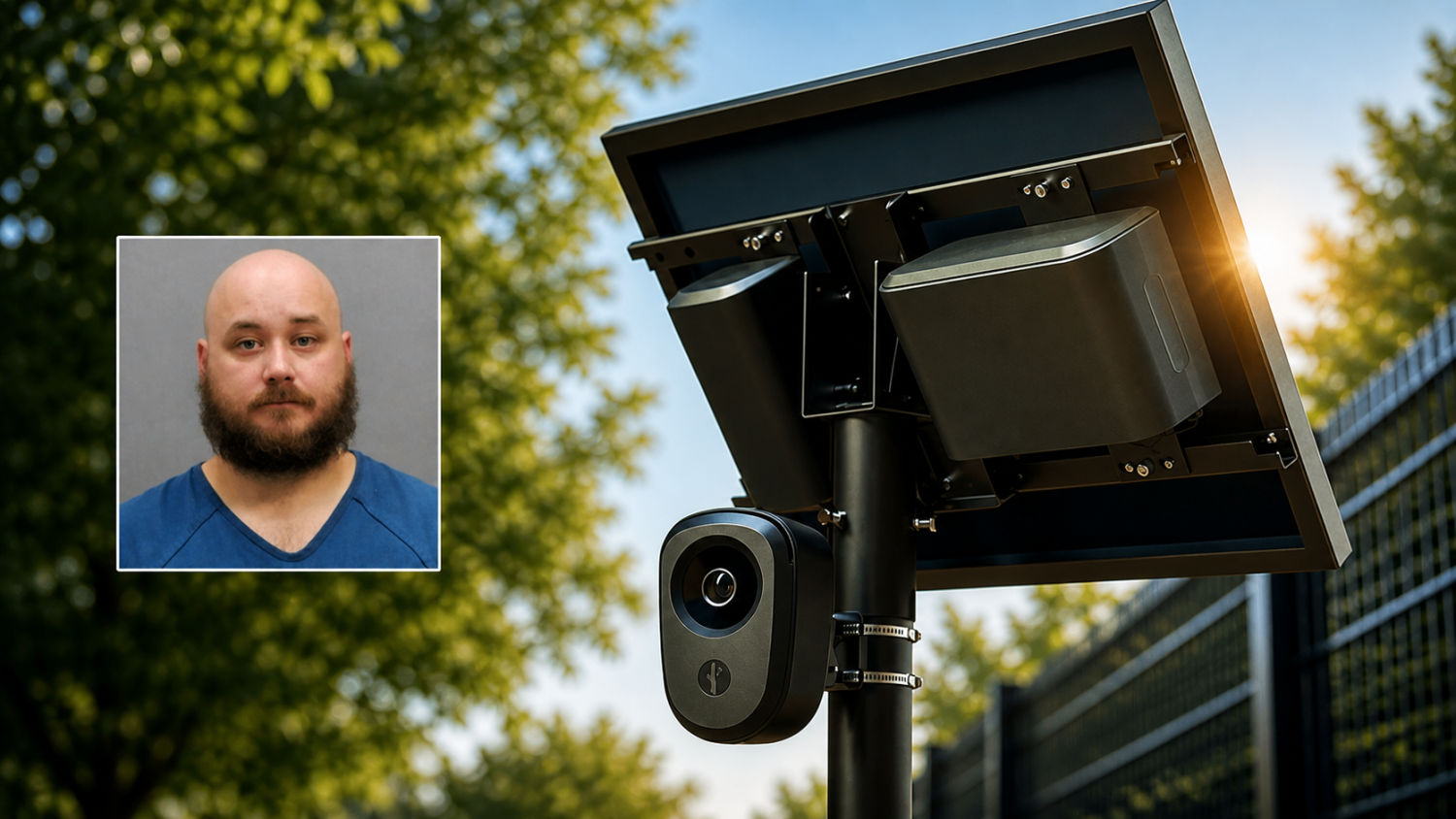
On August 11, a Clermont County grand jury reviewed the felony vandalism case against Cody Morelock — the Union Township man accused of unbolting and destroying a Flock Safety license plate reader on Mount Carmel-Tobasco Road — and declined to indict. No felony charges. The decision doesn’t end the story. It might be where the real one starts.
One Camera, One Grand Jury, One Very Loud Signal
A grand jury’s no-bill on felony charges exposes just how contentious Flock’s Ohio footprint has become.
On June 13, 2026, police say Morelock removed the bolts securing a Flock unit leased by Union Township PD, sending the camera, solar panel, and support pole crashing down. Damage was estimated at more than $1,000 — Ohio’s felony vandalism threshold. The kicker: investigators identified him by cross-referencing private surveillance footage, purchase transaction data tied to a rewards account, and BMV photos — including footage from other Flock cameras on the same network. The surveillance grid helped catch the person who allegedly attacked the surveillance grid.
- June 13, 2026: alleged incident date
- Damage estimate: more than $1,000
- Initial charges: felony vandalism and theft
- August 11, 2026: grand jury no-bill; felony charges dismissed
- Status: lesser charges could still be refiled, per legal commentary
“There’s absolutely a concern about privacy with license plate readers… They could be used to track our movements,” ACLU of Ohio lobbyist Gary Daniels has said of ALPRs broadly.
Ohio’s Flock Problem Is Bigger Than One Vandal
Across the state, the backlash involves trash bags, contentious council hearings, and no statewide law to sort any of it out.
Flock cameras capture license plates, vehicle make and model, and distinctive features, storing that data for 30 days on a rolling basis. Agencies must enter a “reason code” before running a search.
That sounds like a reasonable guardrail. But the ACLU of Ohio warns that an easily overlooked default configuration lets any Flock customer agency search another agency’s camera data — effectively a regional dragnet, like agreeing to a terms-of-service nobody on your city council actually read, except the fine print covers everywhere you drive.
Dayton covered its cameras with trash bags after an internal review found “egregious violations” of city policy, including thousands of immigration-related searches conducted through the system. Cleveland and Columbus have held contentious council hearings over whether to retain or expand their Flock contracts. The Institute for Justice has cataloged at least 22 national cases of alleged officer misuse of license plate readers — a pattern echoed by reports of secretly tracking users through other government-linked platforms. Ohio has no statewide ALPR law — governance falls to departmental policy and vendor terms alone.
The no-bill doesn’t legalize destroying cameras. It doesn’t cancel Flock’s Ohio contracts. But when a grand jury declines to treat smashing a surveillance camera as serious felony business, that signals something real about where public sentiment sits — and that tension isn’t resolving anytime soon.