Millions of dollars ride on every device launch in the smartphone industry. A flashy announcement, a phone promising revolution, often met with silence. This hyper-competitive arena delivers harsh lessons where brilliant designs and ambitious market plays become cautionary tales. Specific pitfalls that led to corporate downfall reveal how seemingly good ideas can fail catastrophically. These devices profoundly impacted their creators, leaving a trail of bold choices and broken balance sheets.
13. YotaPhone 2
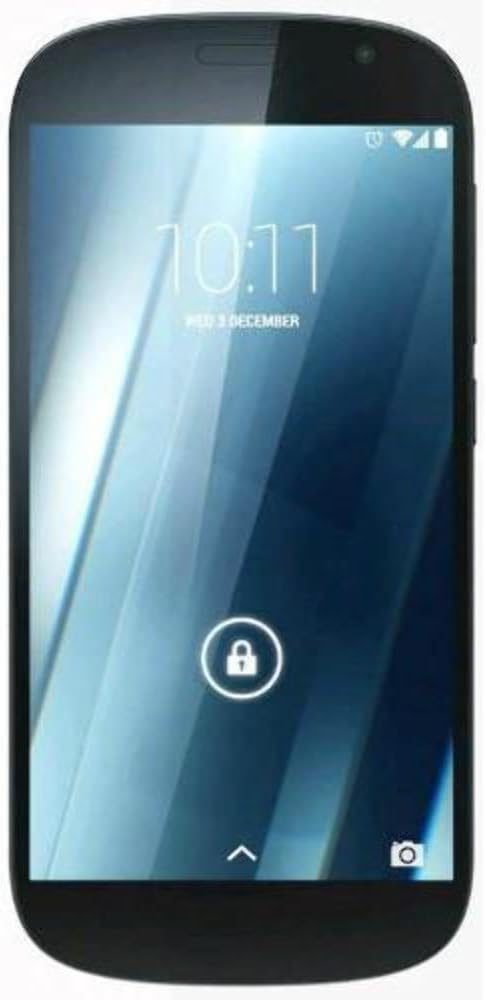
Russian dual-screen innovation couldn’t overcome manufacturing reality.
Combined sales of the first two YotaPhone 2 generations barely reached 75,000 units. The phone pushed boundaries with its dual-screen concept: a standard color AMOLED display on the front and a persistent E Ink display on the back, ideal for low-power notifications and reading. Smart engineering to extend battery life and user interaction.
Clever design doesn’t pay bills alone. Hi-P Electronics initiated an arbitration claim of $126 million over Yota’s manufacturing commitments, eventually settling for $17 million. The company struggled with unpaid amounts and was liquidated in March 2019. Overwhelming production costs sink even the cleverest ideas faster than a bad app update.
12. Essential PH-1
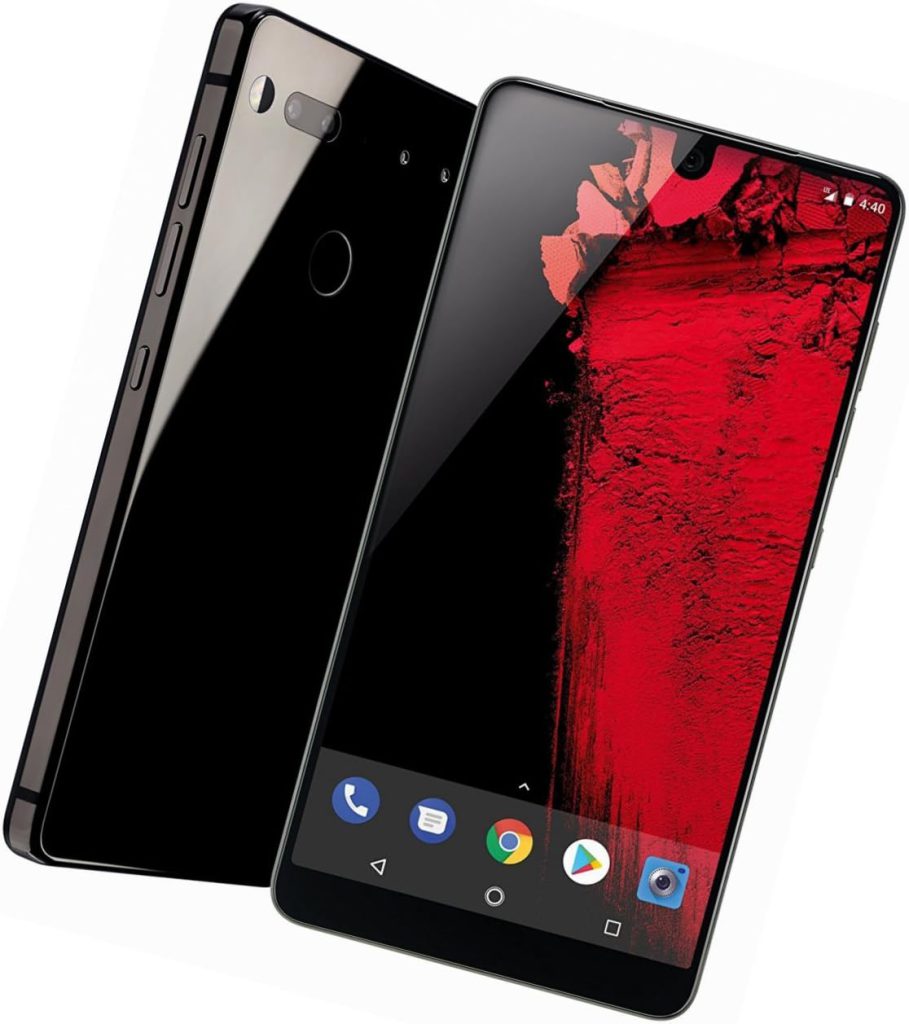
Andy Rubin’s comeback device became a one-hit wonder.
The Essential PH-1, launched in August 2017, arrived with fanfare thanks to Android co-creator Andy Rubin. This device sported a 5.71-inch edge-to-edge IPS LCD display with an early camera notch, titanium frame, and ceramic back. Premium build; serious challenger.
Despite striking looks and dual 13MP rear cameras, real-world performance felt beta-grade. Users quickly identified camera quality issues and unfinished software. Anyone who has pre-ordered a “next big thing” knows how that story unfolds. Essential Products officially ceased operations on February 12, 2020, having delivered only one phone.
11. BlackBerry Z10
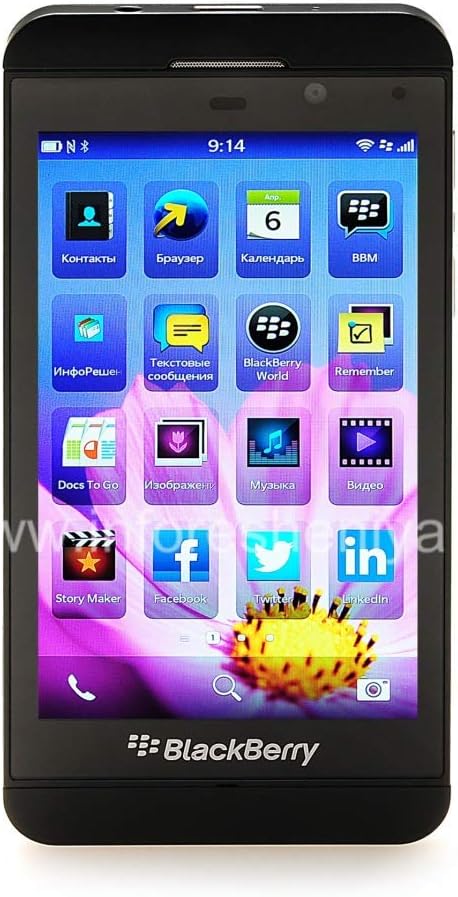
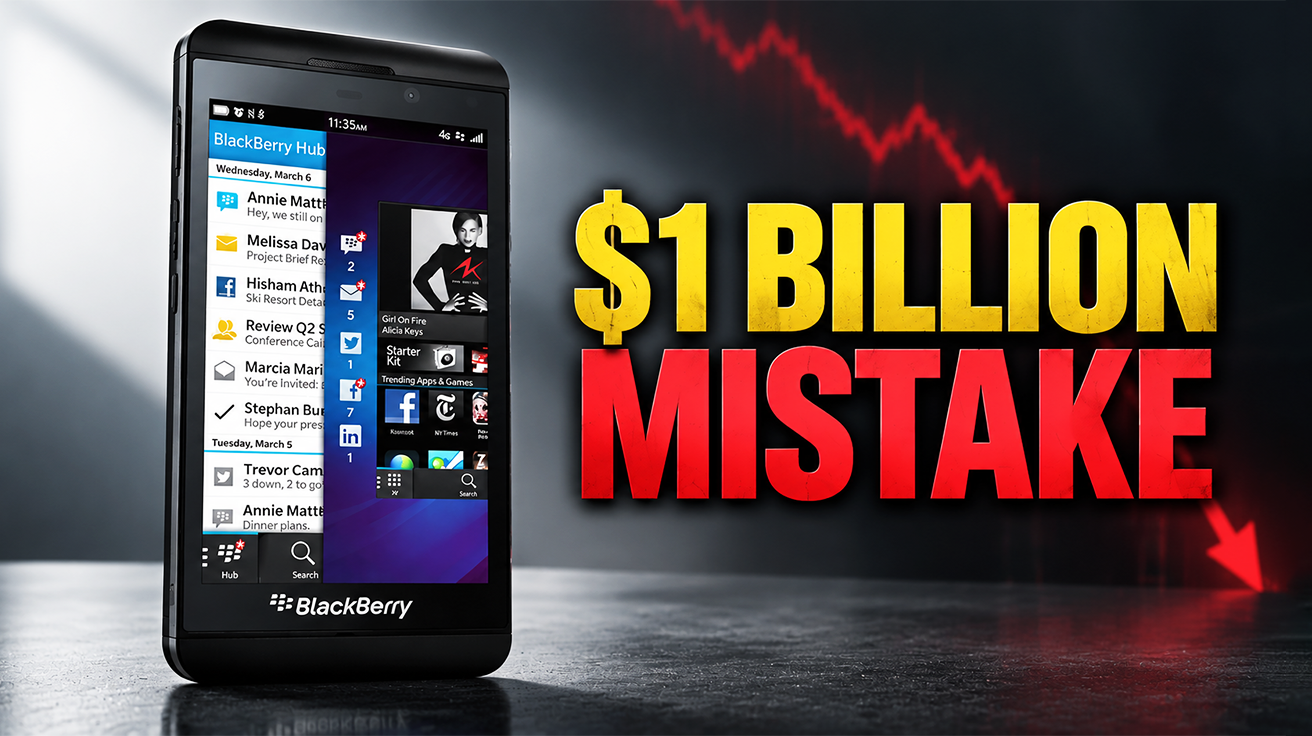
Nearly a billion dollars in unsold inventory ended an era.
BlackBerry recorded a pre-tax charge of approximately $934–960 million related to unsold Z10 stock. Launched in early 2013 as their first full-touchscreen flagship with BlackBerry 10 OS, the Z10 was a desperate attempt to reset the brand and compete directly with iPhone and Android.
Public interest shifted fast. Demand fizzled almost immediately. This disastrous performance forced BlackBerry to cut around 4,500 jobs, roughly 40% of its global workforce. The Z10 era ultimately marked the end of BlackBerry’s prominence as a smartphone hardware vendor, forcing the company to pivot entirely towards software and licensing.
10. Palm Pre
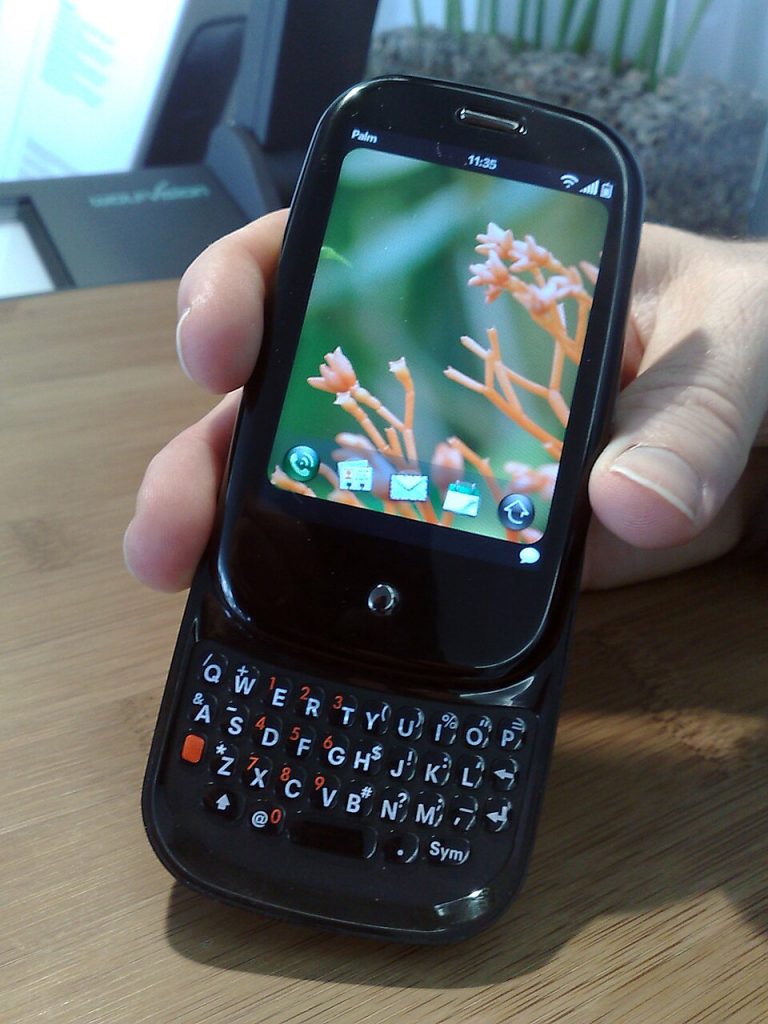
WebOS brilliance couldn’t outrun bigger budgets.
Unveiled at CES 2009, the Palm Pre introduced the innovative webOS to a rapidly evolving mobile landscape. This device packed a 3.1-inch 320×480 display, fluid card-based multitasking, and intuitive gesture controls. Its magnetic Touchstone wireless charging dock felt like science fiction, a true harbinger of things to come.
Clever design couldn’t outrun the sheer scale and marketing budgets of rivals. HP acquired Palm for approximately $1.2 billion on April 28, 2010, at $5.70 per share, effectively ending Palm’s independent run. Great tech getting bodied by larger players.
9. Neonode N2
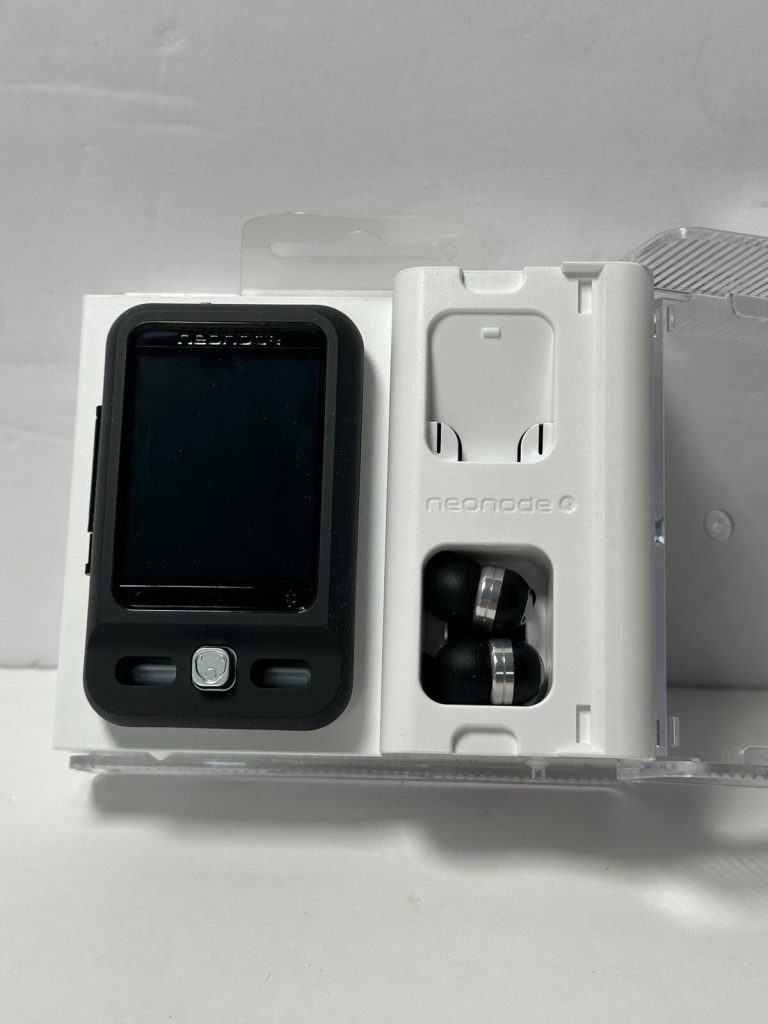
A recall during launch killed an infrared pioneer.
Neonode’s Swedish handset subsidiary filed for bankruptcy on December 9, 2008. Their N2 phone showcased an inventive infrared optical touch system, a smart alternative to standard capacitive screens, letting users precisely swipe and tap on its compact 2-inch 176×220 TFT display.
Operational hurdles mounted quickly. A voluntary recall in March 2008 for static reception issues cratered sales during launch. Even groundbreaking tech needs solid foundations. Rather than sinking with its phone, Neonode shrewdly pivoted, abandoning handset manufacturing to license its touch technology. This strategic retreat saved the company, leveraging its core asset while ditching a failed product line.
8. Turing Phone
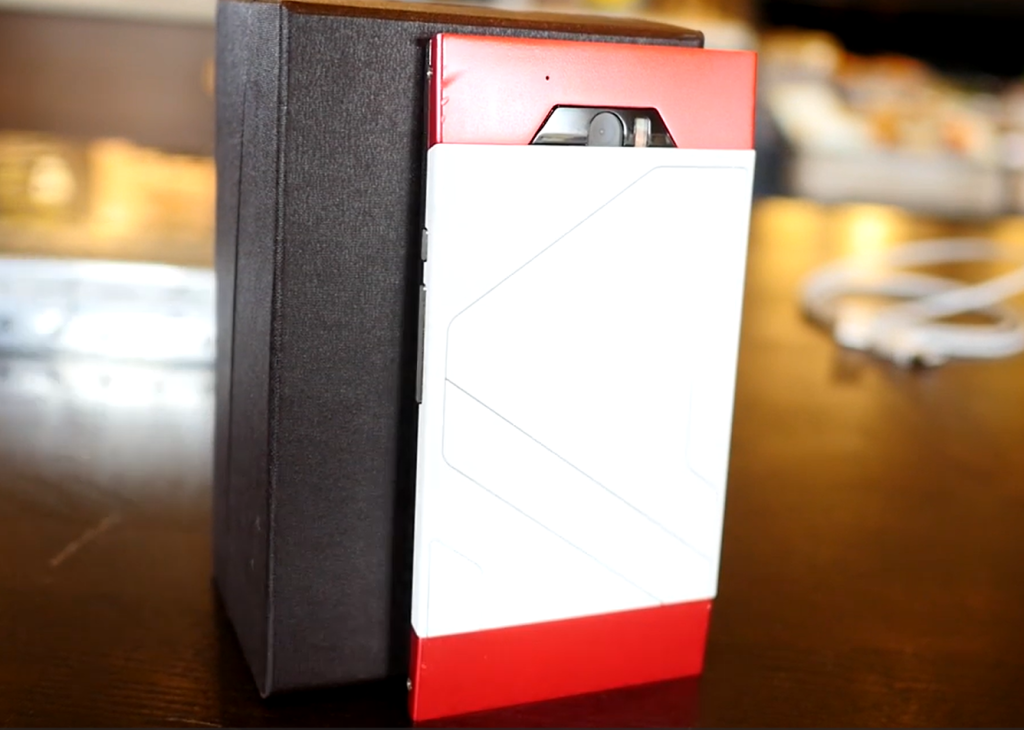
Liquidmorphium promises dissolved into Finnish bankruptcy.
Finnish courts processed bankruptcy proceedings against Turing Robotic Industries’ manufacturing entity in early 2018, with creditors owed around €1.9 million. This marked the quiet demise of a phone loudly promised to be ultra-secure and ultra-durable, constructed from a “Liquidmorphium” metal alloy stronger than steel.
The marketing buzz was intense, yet the device itself—with its 5.5-inch Full HD display, Snapdragon 801 SoC, and 3GB RAM—rarely materialized. Repeated shipment delays gradually eroded customer trust. The inability to transition from ambitious blueprints to actual, deliverable products led to total collapse of production and the phone’s quiet disappearance.
7. Nextbit Robin
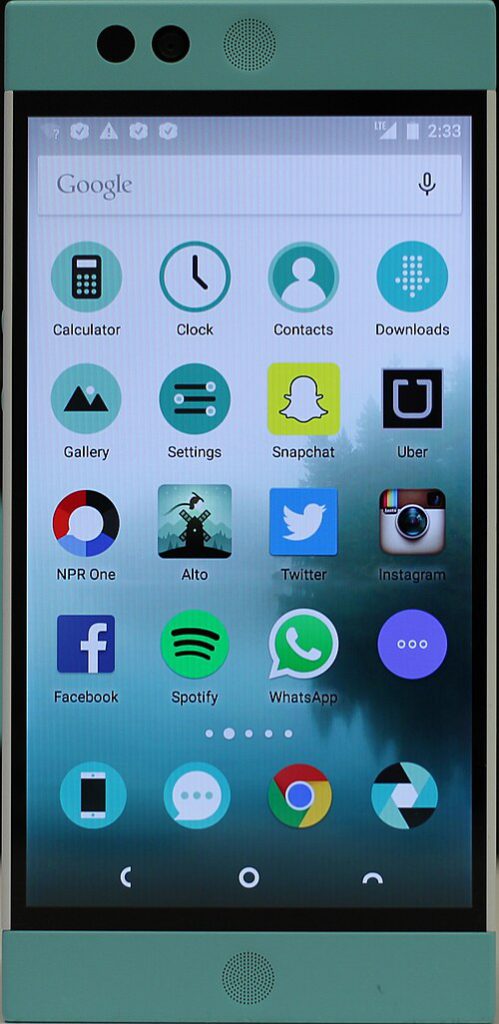
Cloud-first innovation couldn’t survive the smartphone battlefield.
Gaming brand Razer acquired Nextbit on January 30, 2017, less than a year after the Robin smartphone began shipping. This “cloud-first” Android device attempted to solve storage woes by intelligently offloading rarely used apps and data to 100GB of proprietary cloud storage, augmenting its 32GB internal capacity.
Hardware included a 5.2-inch 1080p IPS LCD display, Snapdragon 808 SoC, 3GB RAM, and 2680mAh battery. Despite its distinctive approach, the Robin failed to gain enough market traction to sustain Nextbit as an independent smartphone company, ultimately becoming another casualty in the unforgiving smartphone battlefield.
6. Sendo X
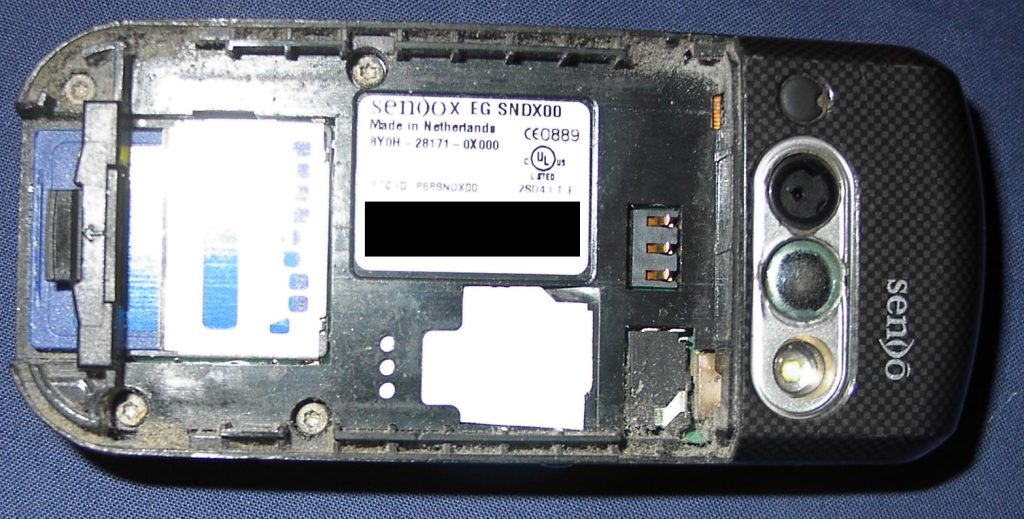
Platform switching mid-flight doomed this British pioneer.
British phone maker Sendo entered administration on June 29, 2005. This closure followed a tumultuous period where the company scrapped its Windows-based Z100, then sued Microsoft—risky as changing a tire at highway speed. The Sendo X, launched in 2004, was its first high-end Symbian Series 60 smartphone, featuring a 2.2-inch 176×220 TFT display and TI OMAP 5910 processor at around 120 MHz ARM925T, plus an innovative “NOW screen.”
Heavy investment in smartphone R&D, compounded by costly platform switching, proved unsustainable. The ambition vastly outstripped available resources. Motorola acquired Sendo’s UK and Singapore R&D teams and patent portfolio, effectively ending Sendo’s standalone run.
5. Lumigon T3
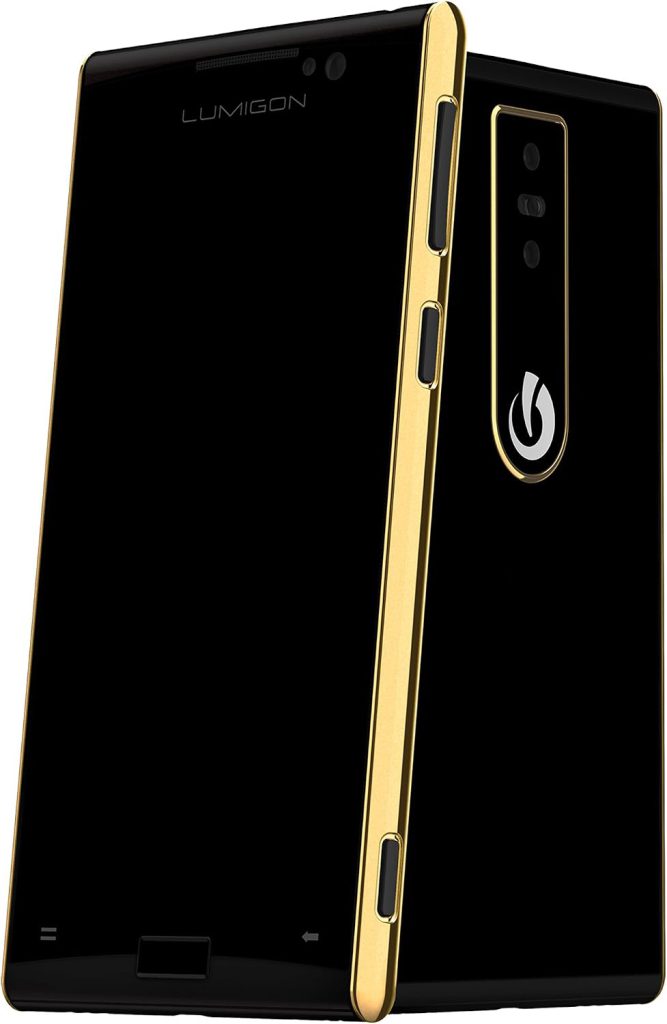
Night vision couldn’t illuminate a path to profitability.
Lumigon A/S filed for bankruptcy in 2017. The Danish firm launched its T3 smartphone around June 2016, targeting the high-end market with base versions priced at roughly €645–€749 (around $740). This device featured a marine-grade 316 stainless steel chassis, IP68 dust and water resistance, and a 4.8-inch Super AMOLED 720p display.
Its most notable feature was the world’s first built-in 4MP infrared night-vision camera with dual IR flash, letting users capture moments in absolute darkness. Despite this prowess and robust design, Lumigon’s small scale proved unsustainable. The company simply could not attract enough wealthy clientele to offset high production costs. The T3, a gleaming artifact of ambition, ultimately became a testament to the smartphone industry’s brutal realities.
4. Creo Mark 1
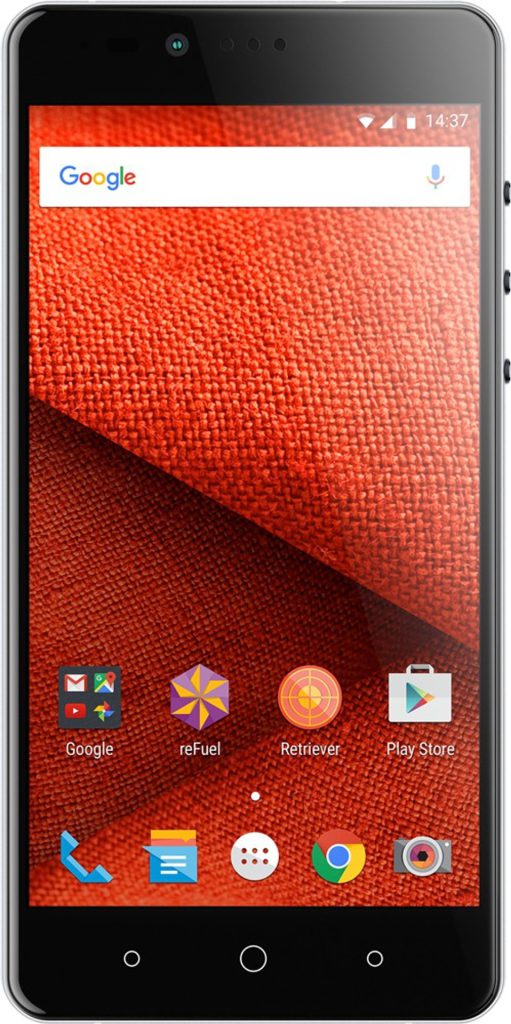
A “new phone every month” promise lasted barely a year.
The Creo Mark 1 launched in India in April 2016 at ₹19,999, arriving with the bold promise of “a new phone every month” through its custom Fuel OS. This software-first vision aimed to perpetually refresh the device. It featured a 5.5-inch Quad HD (2560×1440, ~534 ppi) LTPS IPS display, MediaTek Helio X10 processor, 3GB RAM, and a 21MP f/2.0 rear camera capable of 4K video.
Hardware often delivered inconsistent performance and Wi-Fi issues. The marketing promised caviar but delivered instant ramen. Its price was cut by ₹6,000 just three months later, a clear distress signal. The Creo team was acquired by Hike in 2017, ending smartphone production and future updates, definitively grounding the Mark 1’s ambitious flight.
3. Solana Saga
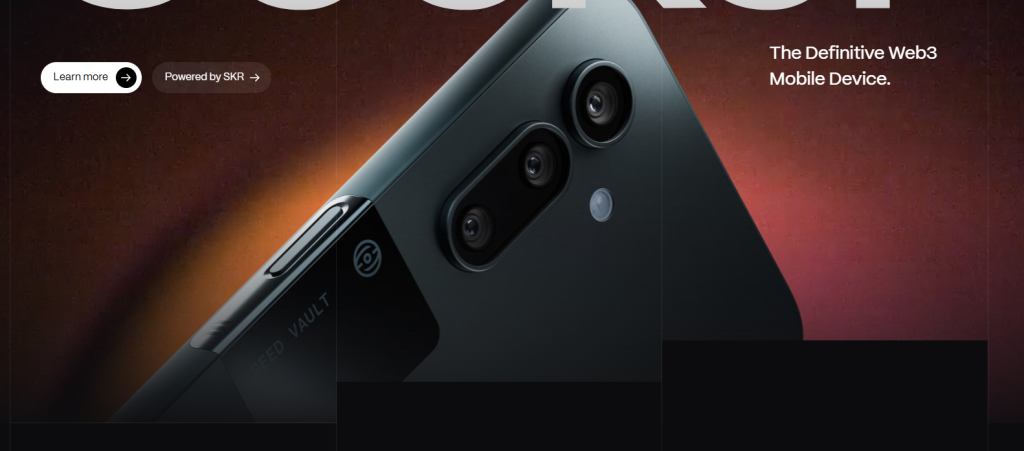
Crypto hype saved the phone but couldn’t save its maker.
OSOM Products, the hardware startup behind the Solana Saga, officially ceased operations around September 6, 2024. This crypto-native phone launched in April 2023 at an anticipated $1,000, later cut to $599 due to sluggish demand. It promised deep integration with the Solana blockchain, but early market performance was ice-cold.
The Saga’s fortunes reversed when BONK token airdrops, bundled with each device, made the crypto’s value exceed the phone’s price. Demand skyrocketed, selling out inventory and pushing secondary market prices into the thousands. Even this cult success couldn’t save OSOM. Allegations of financial mismanagement and funding issues surfaced, proving that a viral product doesn’t always guarantee its creator’s survival.
2. HTC One M9
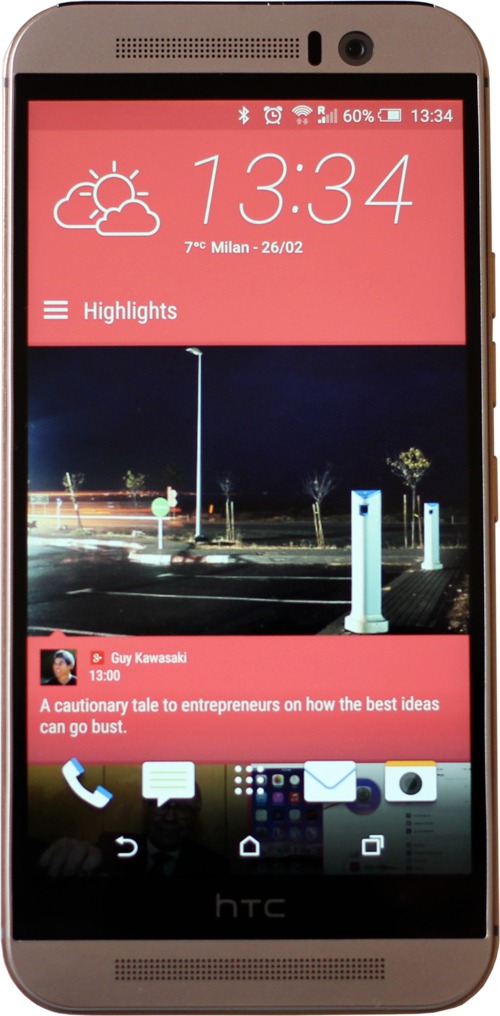
Snapdragon 810 overheating torched HTC’s flagship dreams.
HTC reported a deep second-quarter loss in 2015 and warned of another, signaling a critical period for the company’s smartphone division. Unveiled in March 2015, the M9 closely resembled its predecessor, the M8, maintaining a similar 5-inch 1080p display and a conventional 20MP rear camera.
Under the hood, the Snapdragon 810 SoC proved problematic, leading to heavy thermal throttling and surface temperatures that could reach 55°C (131°F). Less flagship phone, more portable hand-warmer, severely impacting sustained performance. The device’s failure to deliver a compelling upgrade, especially against refreshed rivals like the Samsung Galaxy S6, solidified HTC’s slide out of top-tier smartphone status. This misstep contributed to significant financial consequences, including approximately 15% job cuts and a share price decline of over 50%.
1. Wileyfox Swift
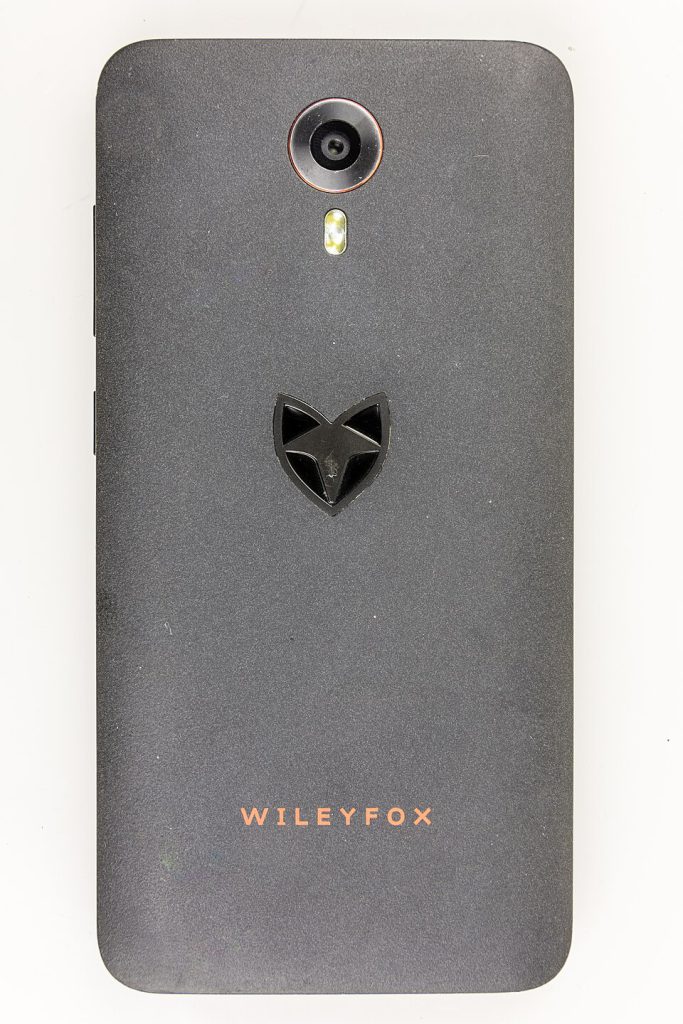
Cyanogen’s demise pulled the rug out from under this budget champion.
Wileyfox Europe entered administration in February 2018. The Wileyfox Swift, launched in 2015, arrived as a genuine challenger in the low-cost Android market, priced aggressively at just £129. It offered compelling hardware: a 5-inch 1280×720 IPS display with Gorilla Glass 3, Snapdragon 410 processor, 2GB RAM, and Cyanogen OS 12.1, promising a refined experience without demanding a premium price tag.
The smooth ride hit a digital speed bump when Cyanogen Inc. ceased its commercial OS services, forcing Wileyfox to migrate existing devices to a different Android build via OTA updates. This unforeseen software pivot created significant operational complexity for a small vendor already navigating razor-thin margins. The brutal hardware business, combined with platform disruption and unforgiving economics, proved unsustainable.C