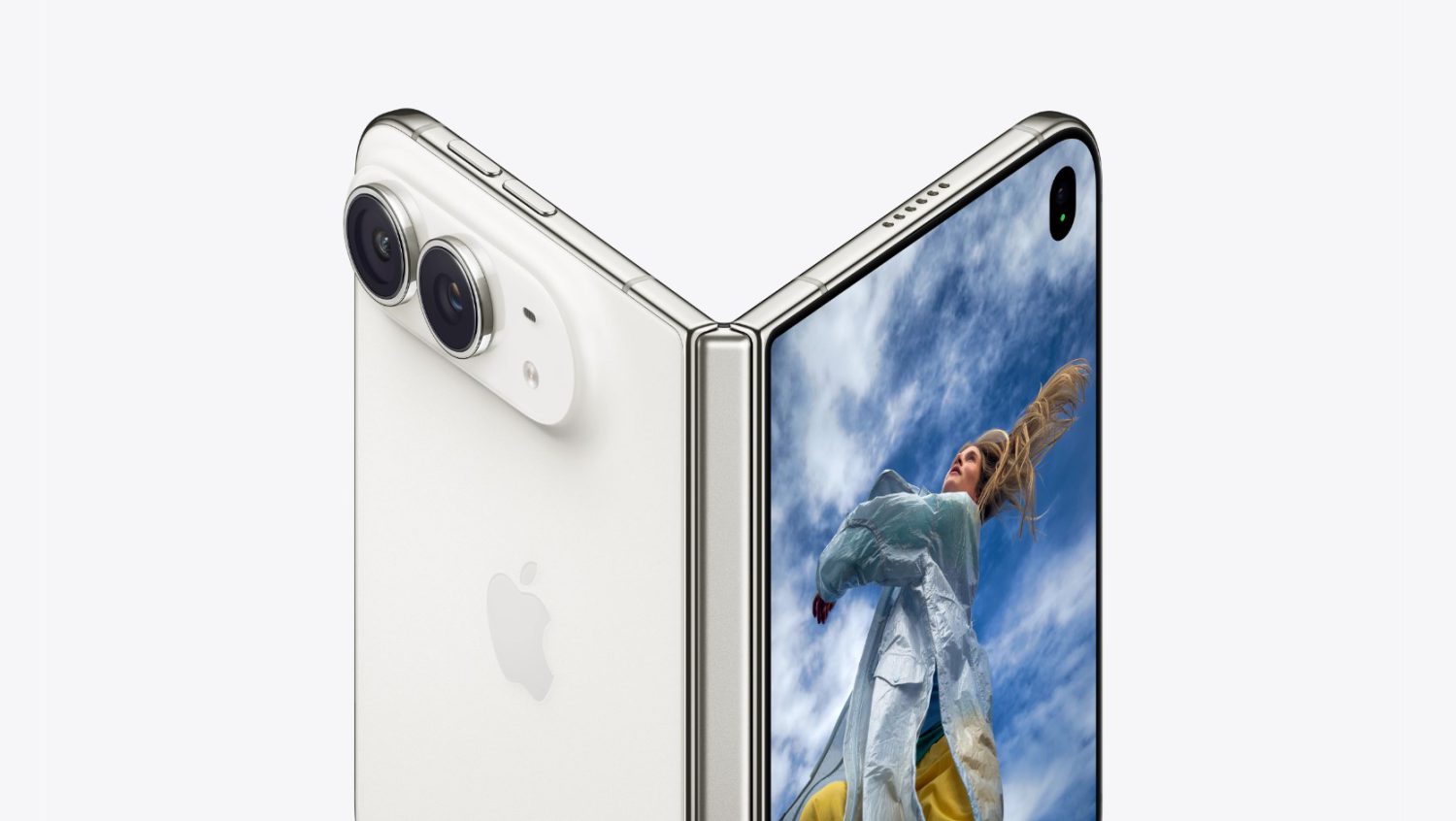
Apple’s first foldable iPhone is proving harder to build than expected, according to unnamed supply-chain sources cited by China’s Jiemian News.
Those sources claim final-assembly yields for the iPhone Duo sat slightly above 60% as of September 17, 2026. Apple has not confirmed any of this, and the official October 23 availability date remains unchanged.
A Hinge With 100 Parts Is Not a Simple Thing to Build
The components driving the reported production bottleneck point to the inherent complexity of manufacturing a first-generation foldable at scale.
The iPhone Duo’s hinge reportedly contains more than 100 individual components plus a 3D-printed cover, according to secondary reporting cited by MacRumors. Apple reportedly tested liquid metal for certain hinge parts before stepping back from that approach ahead of mass production, though that account rests on secondary reporting rather than any official Apple technical disclosure.
Upstream problems compounded the challenge. Samsung Display’s foldable OLED panels reportedly encountered low yields, delayed deliveries, and design changes, according to Jiemian News. That disruption may have left Foxconn with less time to optimize its final assembly process.
The 60% yield figure sounds alarming, but it requires context. At a specific point in the ramp-up process, roughly 60 of every 100 assembled units were meeting Apple’s quality standards, not 40% of phones shipping to customers with defects. Manufacturing yields on new product lines typically improve as assembly teams gain experience and equipment gets calibrated.
A separate report from MyDrivers claimed a contract manufacturer presented Apple with a reported tradeoff between running the production line faster to increase unit output or holding the line on quality. Both this account and the yield figure remain unconfirmed by Apple.
What This Means for Your Preorder
Constrained supply at launch, not a cancellation, is the most plausible consumer consequence if these reports hold up.
Unnamed supply-chain sources put Apple’s global 2026 stocking target for the iPhone Duo at approximately six million to eight million units, according to MacRumors. A separate retail source reportedly said Apple’s internal sales guidance exceeded five million units. Neither figure represents official Apple shipment guidance.
If these reports are accurate, the most immediate consequence is constrained launch inventory, which could mean longer delivery estimates after preorders open on October 16, or limited availability in some markets. No available reporting suggests a formal launch cancellation.
Preorder delivery estimates on October 16 will be the first real indicator of how tight supply actually is. Delivery windows stretching several weeks out would signal a squeeze; estimates closer to launch day would suggest conditions have improved since mid-September, though delivery timing can also reflect demand levels, regional allocation, and logistics rather than manufacturing yield alone.
Apple’s official schedule has not moved. Preorders open at 5 a.m. Pacific on October 16, the device becomes available October 23 through Apple and selected carriers and retail partners, and pricing starts at $1,999 for 256GB storage.