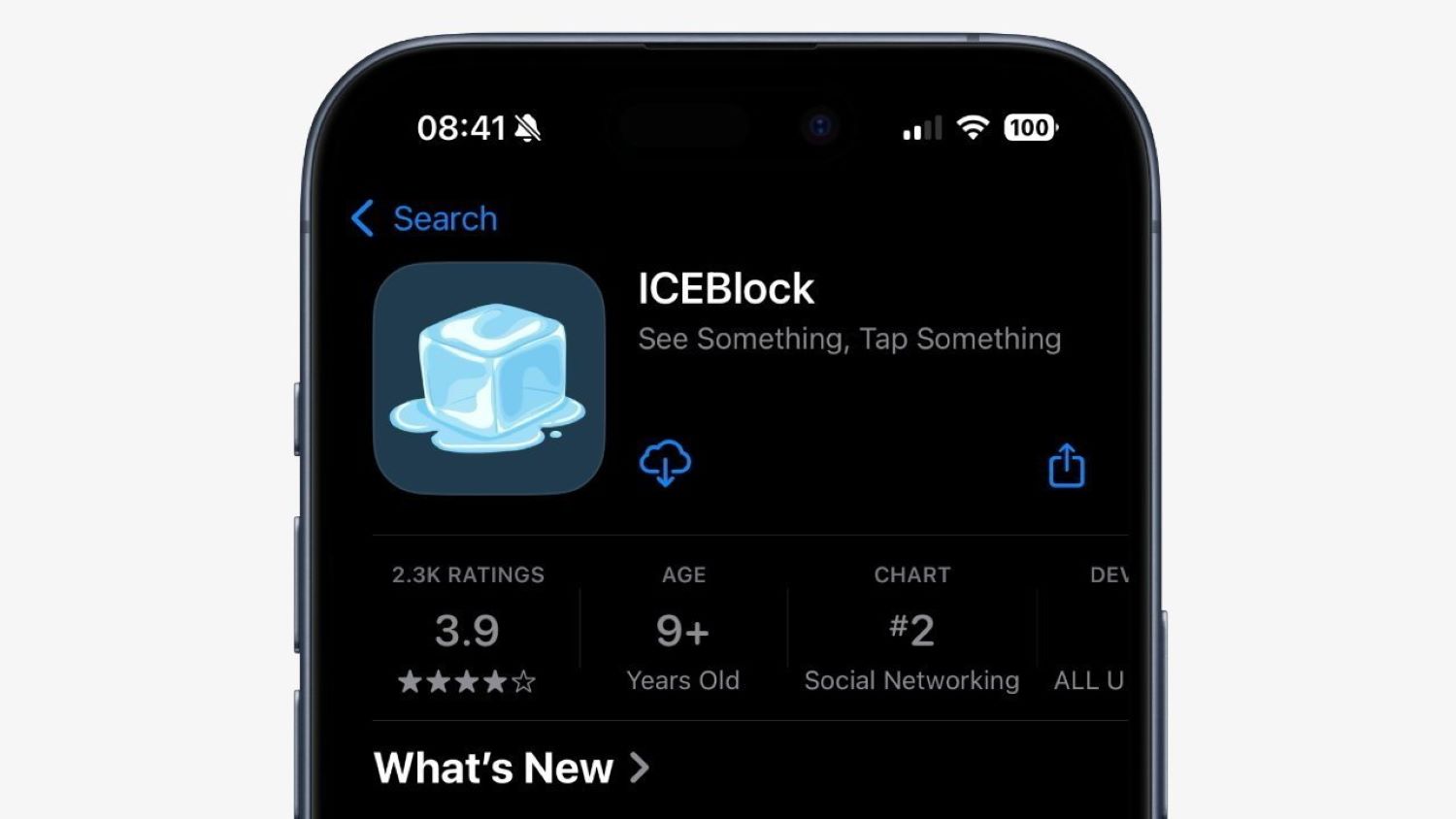
Nearly a year after pulling ICEBlock and similar apps from the App Store, Apple explained its decision to a sitting congressman in a July 2026 letter: real-time location data on ICE officers, the company argues, could function as a tracking users map for violence.
Apple’s App Store removal decisions are under congressional scrutiny following the October 2025 takedown of ICEBlock and similar ICE-tracking applications.
What Apple Told Congress
Apple’s explanation centers on the risk that precise location data could endanger not only federal officers but also protesters, detainees, and bystanders nearby.
Precise location information about ICE personnel could expose the positions of protesters, detainees, and nearby civilians, Apple told Rep. Jamie Raskin in its July 2026 letter, according to CNN. The company described that combination as a potential roadmap for targeted violence.
Apple said it observed a notable increase in ICE operations and threats against ICE personnel during the period surrounding the October 2025 removals. The company also pointed to safety concerns raised by then-Attorney General Pam Bondi following a September 2025 shooting at an ICE facility in Dallas, according to CNN and AppleInsider.
Separately, Apple told ICEBlock creator Joshua Aaron that the app violated App Store rules concerning objectionable, defamatory, discriminatory, or mean-spirited content, according to Uniladtech.
What the Congressional Inquiry Is Actually Asking
Rep. Raskin is pressing Apple to justify its removal decision independently, arguing the available evidence does not connect ICEBlock to the Dallas shooting.
Raskin’s position is that Apple’s rationale deserves independent scrutiny. According to CNN, he said there was no publicly established evidence linking ICEBlock to the Dallas shooting and asked Apple to conduct a new, independent policy review.
His investigation covers both Apple’s and Google’s app stores and examines potential effects on constitutionally protected speech. The scope reflects a broader unresolved concern: whether the removal was an independent platform decision or one shaped by pressure from federal officials.
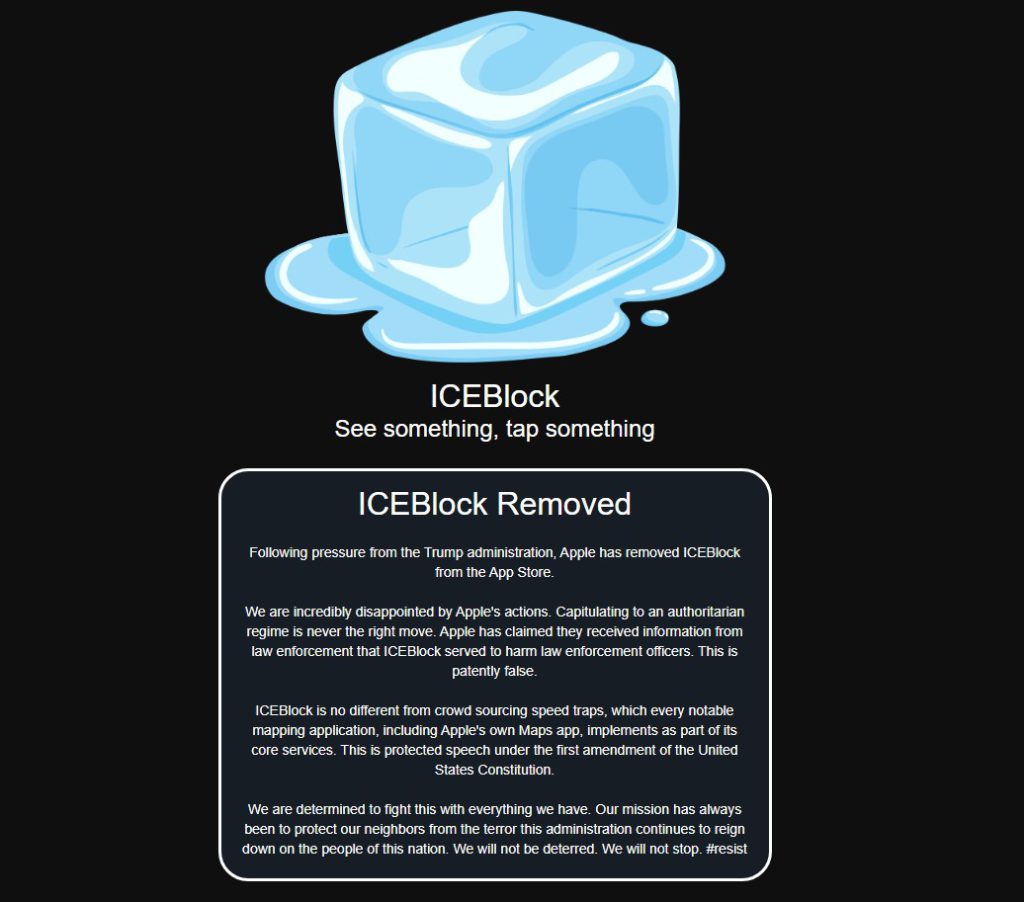
The ICEBlock app’s own website states the removal followed pressure from the Trump administration, a self-published characterization that Apple has not adopted in its public statements, according to iceblock.app. Apple has publicly framed its action as a response to safety information received from law enforcement.
Neither Apple’s account nor Raskin’s position has been established conclusively by available reporting.
Why This Matters for App Store Users
The ICEBlock dispute surfaces a largely opaque process that determines which politically significant tools survive on the world’s most-used mobile software marketplace.
Apple’s platform decisions can remove access to politically significant tools without a transparent public process. For users whose only software gateway is the App Store, that power carries real civic weight.
The ICEBlock case puts that dynamic in sharp relief. One company, acting on information provided by government officials, can determine which civic and political applications remain broadly available , a dynamic echoed by other cases involving a surveillance app built to target dissidents.
How much evidence does Apple require before flagging a location-based app as a safety threat? And how clearly does it explain that standard to developers and users? Those thresholds, largely undisclosed right now, shape what kinds of community-reporting tools can exist on the platform at all.
A congressional inquiry that compels more disclosure could reshape how Apple documents and explains future sensitive-app reviews. That shift would bring accountability to a process that currently operates without meaningful public visibility.