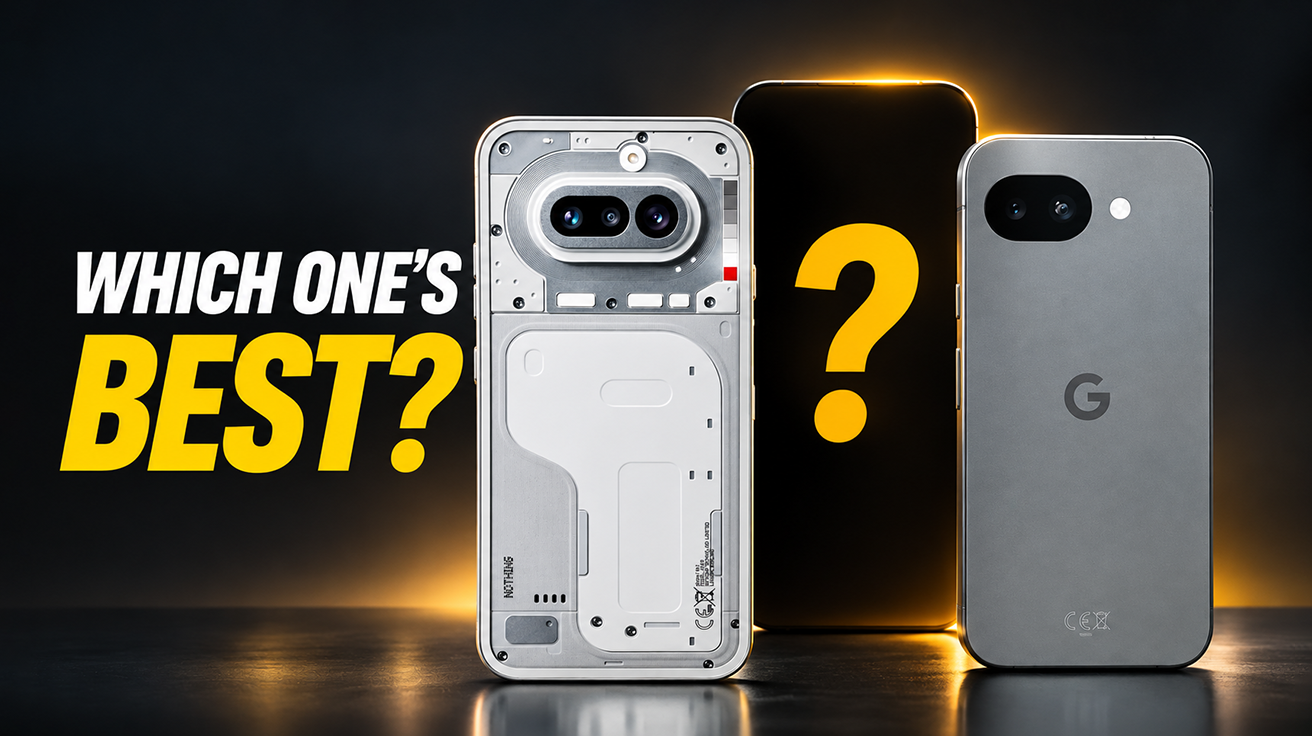
The smartphone sweet spot has shifted. Mid-range devices in 2026 deliver nearly flagship-grade specs while costing hundreds less. Marketing departments still promise miracles, but actual performance varies wildly between models. Finding genuine value requires cutting through the hype and examining what each phone actually delivers: benchmark performance, battery life that survives a full day, and cameras that capture life without requiring a post-production degree. This roundup focuses on workhorses that punch above their price point, proving that exceptional tech doesn’t require celebrity-endorsed price tags or waiting in launch-day lines.
This content may contain affiliate links. If you wish to support us and use these links to buy something, we may earn a commission.
9. Motorola Edge 70 Fusion
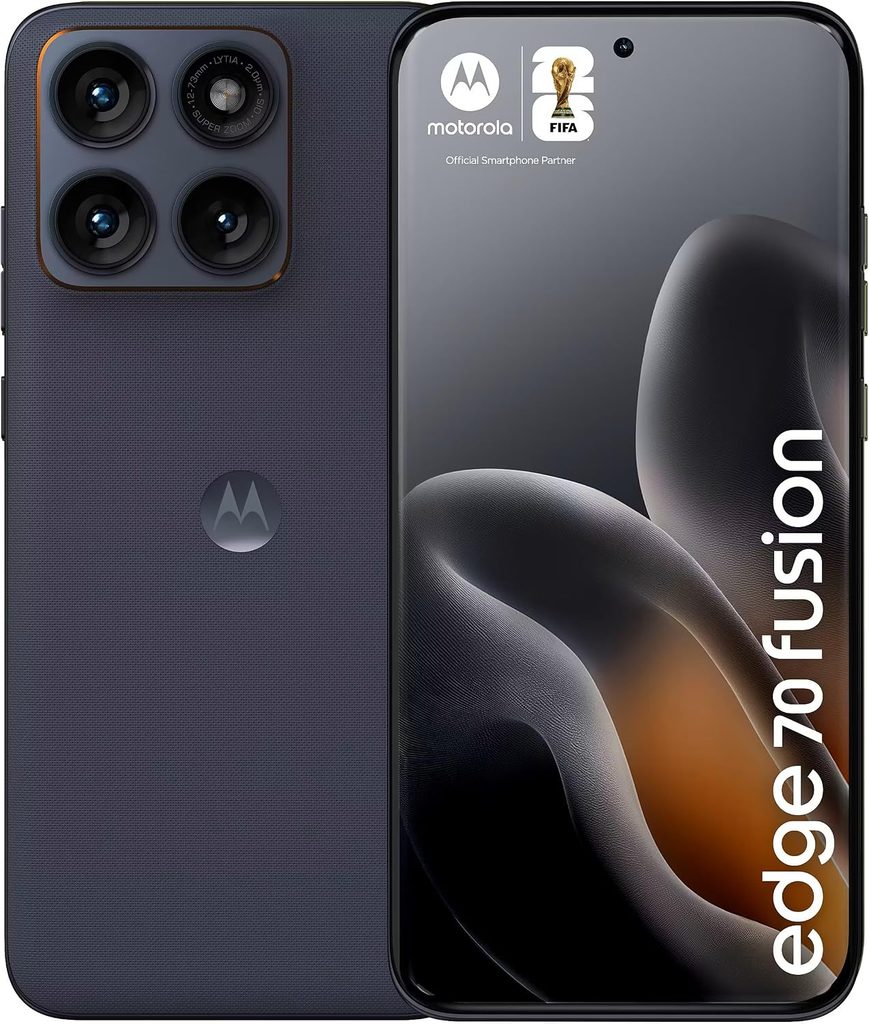
The rare mid-ranger that laughs at dust storms and total immersion.
Dual IP68 and IP69 ratings mean this phone handles environments that would kill most devices in its price bracket. The Motorola Edge 70 Fusion shrugs off dust storms and water submersion with ease, making it ideal for outdoor enthusiasts who need reliability beyond coffee-shop conditions. Its 6.78-inch 1.5K AMOLED display pushes up to 144Hz refresh rate and peaks at 5,200 nits brightness. Reading under direct sunlight becomes effortless instead of an exercise in squinting and screen-tilting.
The Snapdragon 7s Gen 3 processor handles daily tasks smoothly and manages gaming titles like Wuthering Waves when you reduce graphics settings. Battery options vary by region: either 5,200mAh or 7,000mAh, both substantial enough to eliminate constant charging anxiety. When power runs low, 68W wired charging restores battery life faster than most competitors. This phone delivers practical durability and solid performance for users who need devices that survive real-world conditions without demanding flagship budgets.
8. Google Pixel 10a
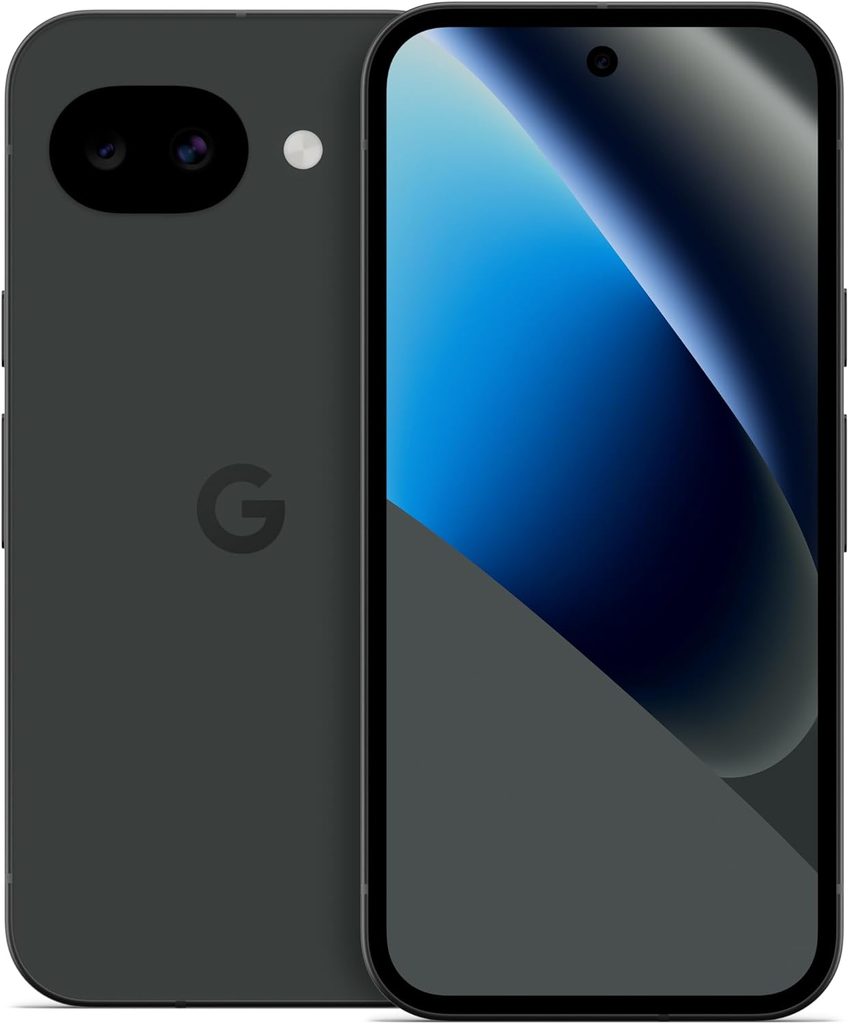
Seven years of guaranteed updates means this phone outlasts most tech trends.
Software longevity rarely generates excitement, yet the Google Pixel 10a’s promise of seven OS updates and extended security patching represents genuine value. Most phones become outdated paperweights within 3 years; this one stays current and protected long after flashier models hit landfills. The Tensor G4 chipset handles everyday tasks efficiently, while the compact 6.3-inch display remains responsive and fluid throughout typical use.
Computational photography transforms mediocre shots into keepers. Anyone who has stared at vacation photos ruined by poor lighting or awkward framing understands how AI-powered editing tools rescue moments worth preserving. Wireless charging adds convenience, while 45W wired charging delivers 50% battery in roughly 30 minutes during rushed mornings. The Pixel 10a won’t dominate every spec-sheet comparison against raw performance monsters, but its combination of enduring software support, reliable imaging, and consistent daily performance proves that smart software and long-term stability often matter more than headline-grabbing hardware specifications.
7. OnePlus 15R
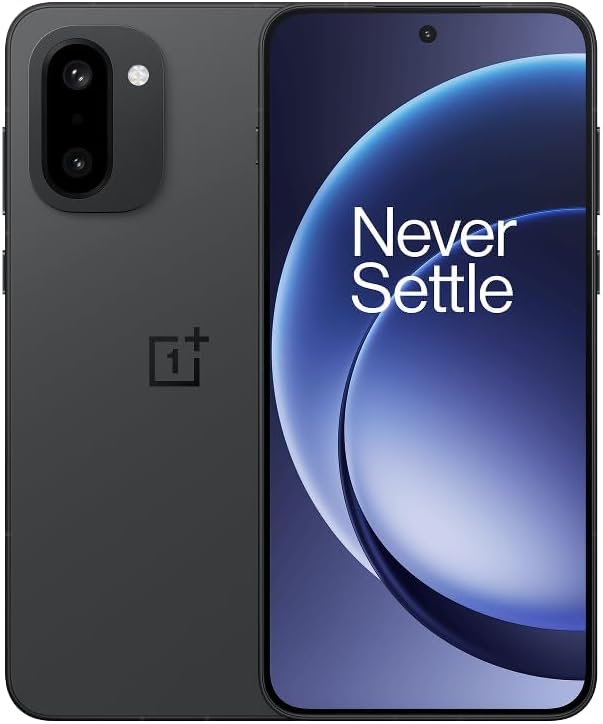
Built for gamers who refuse to compromise on frame rates or battery life.
The OnePlus 15R arrives at £549 with zero apologies about its gaming-first priorities. Its Qualcomm Snapdragon 8 Gen 5 processor breezes through graphically intense titles like Wuthering Waves at maximum settings, while the 165Hz display renders fast-paced action with incredible fluidity. Every frame arrives exactly when needed, eliminating the lag that turns competitive matches into frustrating losses.
Battery endurance matches processing power. The massive 7,400mAh cell supports weekend gaming marathons without requiring constant wall-socket tethering. Finishing epic boss battles without battery anxiety represents genuine liberation for serious mobile gamers. The OnePlus 15R skips wireless charging and uses a simplified camera system compared to its flagship sibling, but those trade-offs enable aggressive pricing while maintaining the performance metrics that actually matter for its target audience. This phone exists for players who prioritize speed and stamina over photography versatility.
6. Nothing Phone 4a
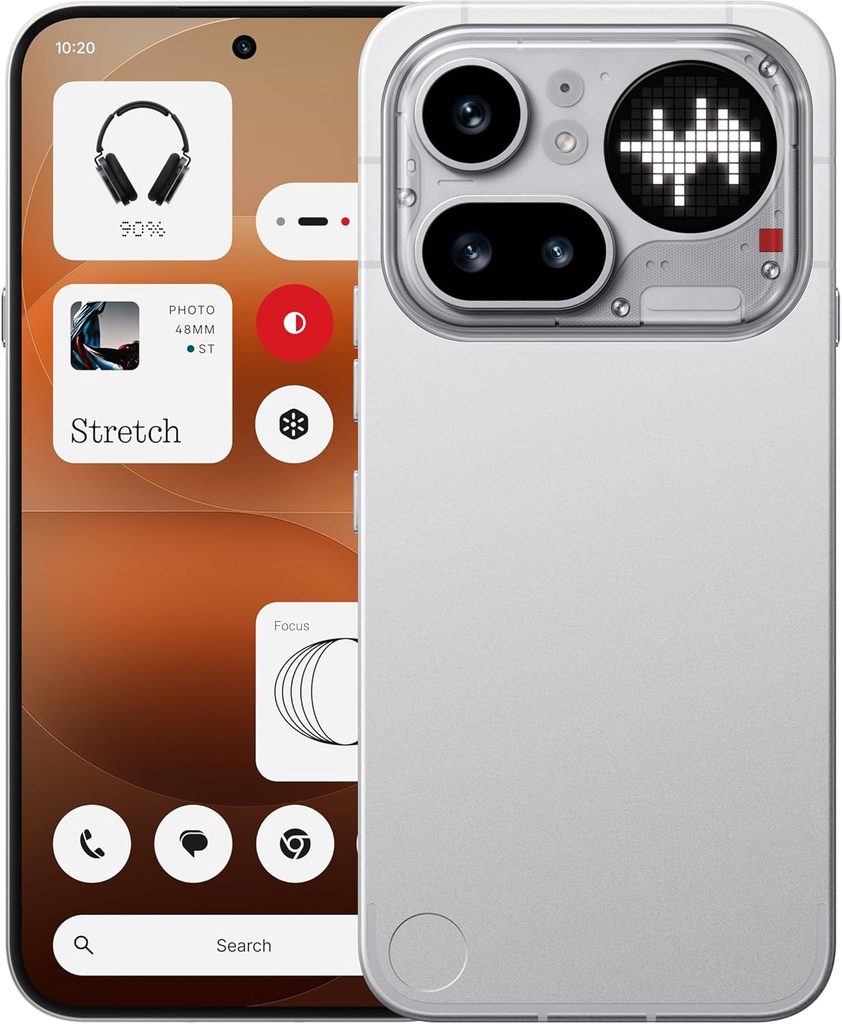
Transparent design meets practical performance in an unexpectedly balanced package.
Budget phones typically sacrifice aesthetics for affordability, yet the Nothing Phone 4a defies that compromise with its distinctive transparent design and simplified Glyph light bar. The bright OLED display and solid stereo speakers elevate everyday multimedia consumption, transforming routine TikTok scrolling and Netflix sessions into genuinely enjoyable experiences rather than exercises in low-quality tolerance.
Gaming performance handles demanding titles like Wuthering Waves smoothly when graphics settings drop slightly from maximum. The standout feature remains its dedicated telephoto camera, a rarity at this price point that usually requires flagship budgets. Capturing detailed distant shots becomes possible without carrying additional lenses or accepting blurry digital zoom compromises. Nothing OS maintains a clean interface without bloatware overload. The Phone 4a proves that design-forward devices can deliver substance alongside style when engineering priorities align with user needs rather than pure specification chasing.
5. POCO X8 Pro Max
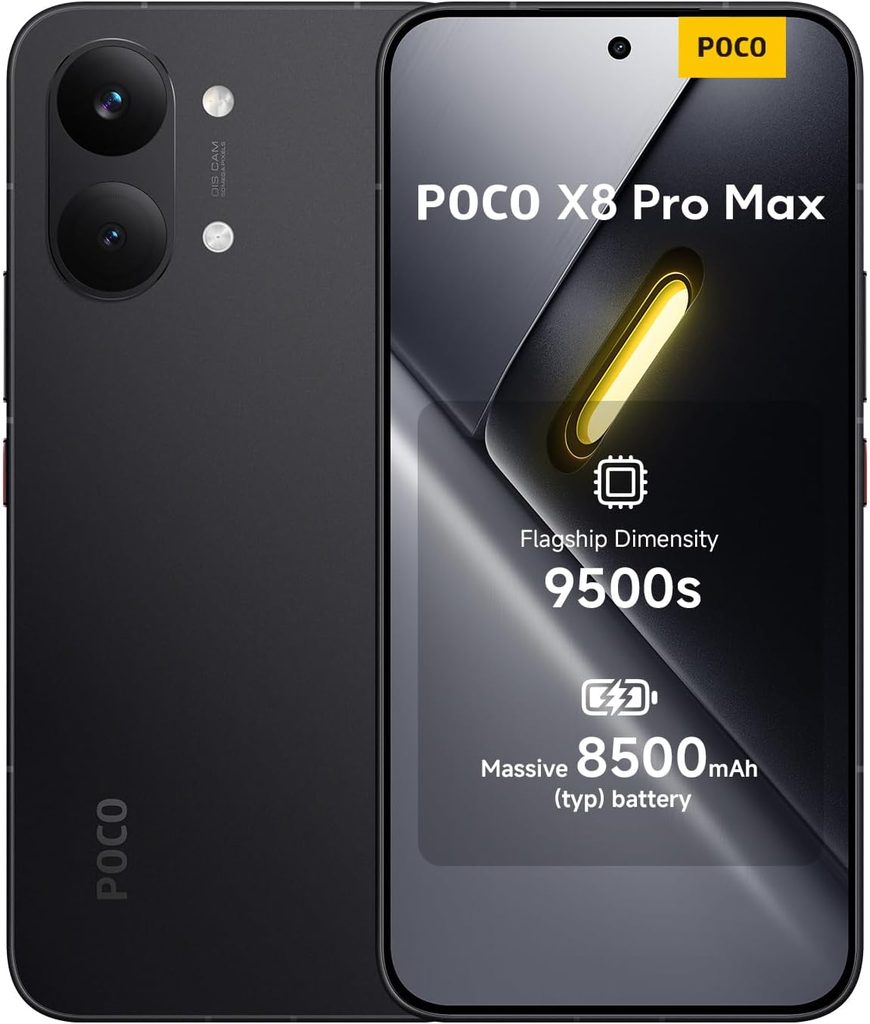
Absurd battery capacity meets aggressive value pricing in one unapologetic package.
The 8,500mAh battery eliminates charging anxiety for days while doubling as an emergency power bank when friends’ devices inevitably die mid-outing. Reverse charging capability means you become the group’s lifeline during all-day events. The enormous AMOLED screen supports HDR10 and Dolby Vision, transforming mobile streaming into genuinely cinematic experiences rather than squinting at compressed video.
MediaTek’s Dimensity 9500S processor, paired with liquid cooling, maintains smooth performance during extended gaming sessions. Frame rates remain consistently high in demanding titles like Wuthering Waves. Stereo speakers deliver substantial volume boosts over typical smartphone audio, though exact performance gains require real-world testing rather than marketing claims. This phone challenges devices costing significantly more by prioritizing features that matter most during actual daily use: battery endurance, display quality, and thermal management. The camera system skips telephoto lenses, but for users who value marathon battery life and strong gaming performance over photography versatility, those trade-offs make strategic sense.
4. Vivo V70
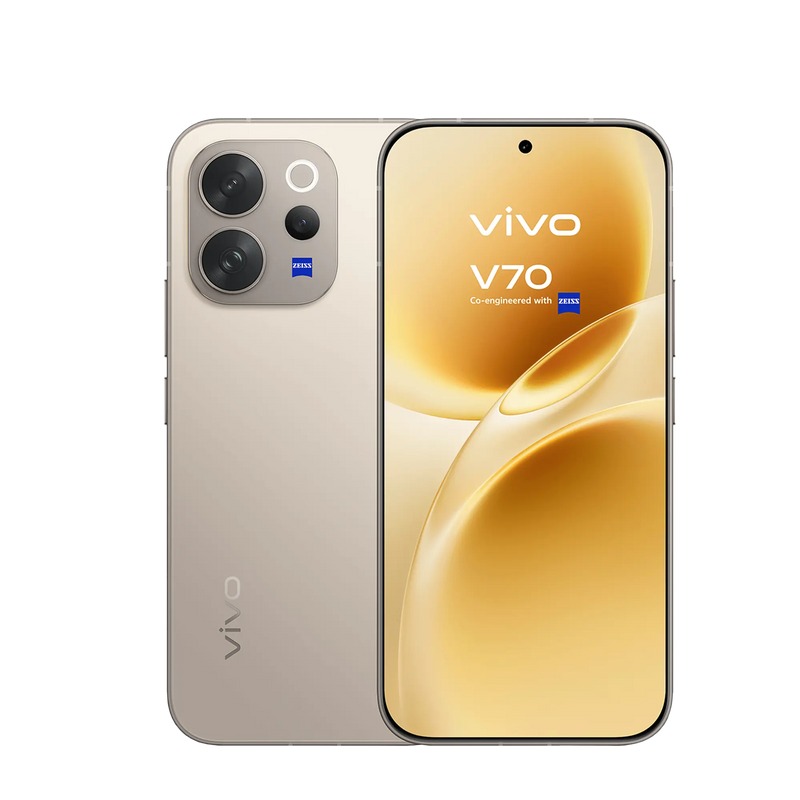
ZEISS optics collaboration elevates mobile photography beyond typical mid-range capabilities.
The Vivo V70 centers its appeal on a sophisticated camera system featuring ZEISS-branded optics. Its 50MP OIS main sensor pairs with a 50MP OIS super-telephoto lens, delivering detail and depth previously reserved for flagship devices. An 8MP ultrawide camera and 50MP autofocus front camera ensure versatility across shooting scenarios, from sweeping landscapes to crisp selfies. Photography enthusiasts who understand optical quality immediately recognize the hardware advantage.
Beyond imaging excellence, the 6.59-inch display runs at 120Hz, powered by a Snapdragon 7 Gen 4 processor that handles daily tasks efficiently. The 6,500mAh battery paired with 90W FlashCharge technology restores power remarkably quickly during brief charging windows. Battery life extends well beyond single-day use under typical conditions. Regional availability remains limited, making the V70 challenging to acquire compared to mainstream alternatives, but photographers willing to source it gain a compelling mid-range option that prioritizes imaging quality over other specification categories.
3. Xiaomi 17T
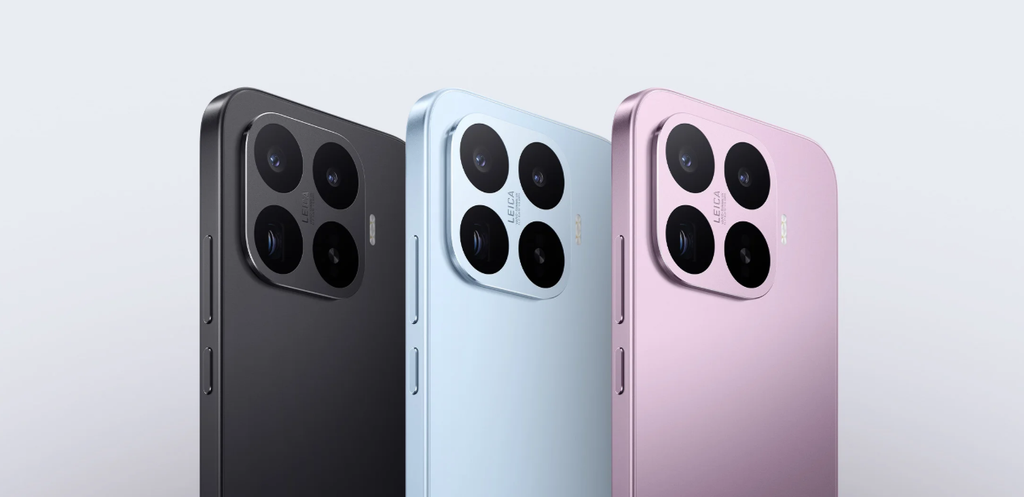
Solid all-around performance that shines brightest during promotional windows.
Xiaomi positions the 17T near £649, placing it in the upper mid-range category where specifications meet expectations without exceeding them. Performance remains balanced across categories: adequate processing power, respectable camera capabilities, and sufficient battery endurance for full-day use. Nothing disappoints, yet nothing astounds either during normal retail pricing.
Promotional periods transform the value equation entirely. Flash sales and early-bird discounts frequently reduce prices by £100 or more, suddenly making the 17T a significantly smarter acquisition. Timing purchases around these windows maximizes return on investment, similar to securing premium airline seats during limited-time offers. Buyers who monitor pricing cycles and exercise patience secure a capable device that handles demanding applications and daily tasks efficiently without overextending budgets. The 17T rewards strategic shopping more than impulse purchases.
2. Honor 600
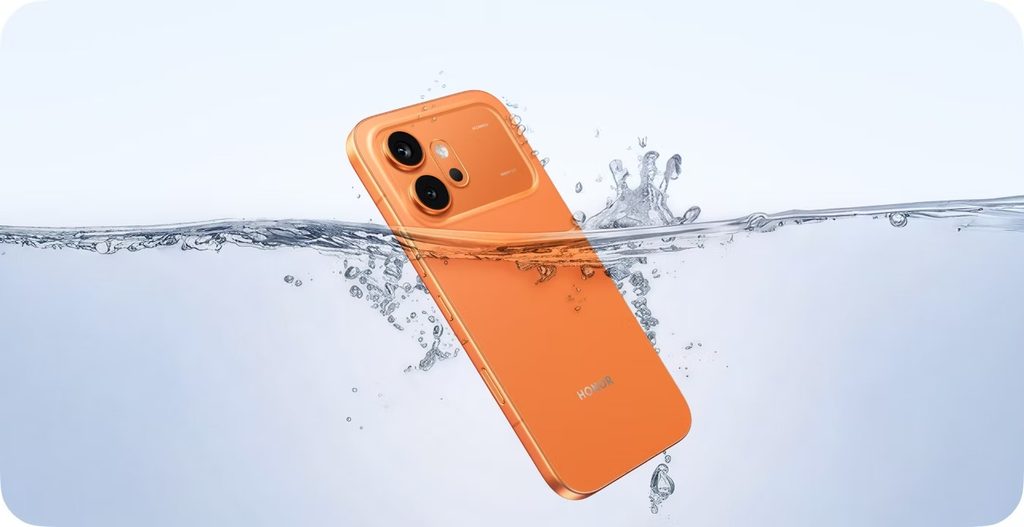
Early-bird pricing slashed costs by £150, transforming a skip into a strategic buy.
Launch pricing around £600 positioned the Honor 600 outside most mid-range consideration, competing against better-established alternatives with stronger track records. Scrolling past seemed logical when numerous proven options delivered similar specifications at lower costs. Promotional timing changed everything.
Early-bird discounts dropped the price to approximately £450, suddenly making the Honor 600 a compelling value proposition rather than an overpriced curiosity. That £150 savings represents meaningful budget room for quality accessories or other priorities. Anyone who tracks tech launch cycles recognizes this pattern: manufacturers test premium positioning, then adjust pricing rapidly when market reception proves lukewarm. Buyers who waited a few weeks transformed an average purchase into a tactical victory. The Honor 600 serves as a reminder that patience and promotional awareness often matter more than launch-day specifications when maximizing mid-range value.
1. iPhone 17e
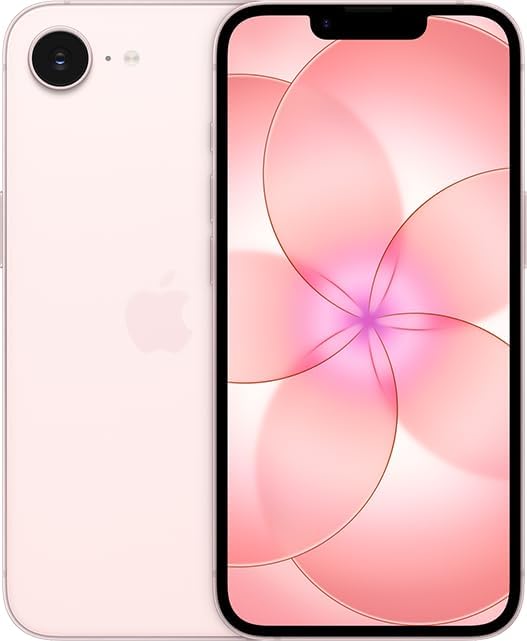
Premium branding can’t disguise dated display technology and basic camera performance.
Brand loyalty hits different when comparing actual feature sets. The iPhone 17e reportedly costs approximately £150 more than the POCO X8 Pro Max while delivering a 60Hz refresh rate, prominent notch, and thick bezels. It resembles paying luxury-car prices for manual window cranks and cassette players. Display technology lags years behind current mid-range Android standards, creating a jarring contrast with competitors that deliver smooth scrolling and minimal bezels at lower prices.
Camera capabilities similarly trail mid-range Android alternatives that excel at computational photography and multi-lens versatility. The basic imaging system struggles in scenarios where competitors shine, particularly low-light conditions and distant subjects. Unboxing reveals design choices that feel outdated the moment the packaging opens. Buyers must critically evaluate whether brand preference justifies accepting genuinely inferior specifications compared to alternatives at similar or lower price points. The iPhone 17e represents a case study in how premium positioning sometimes relies more on logo recognition than actual technological value delivery.