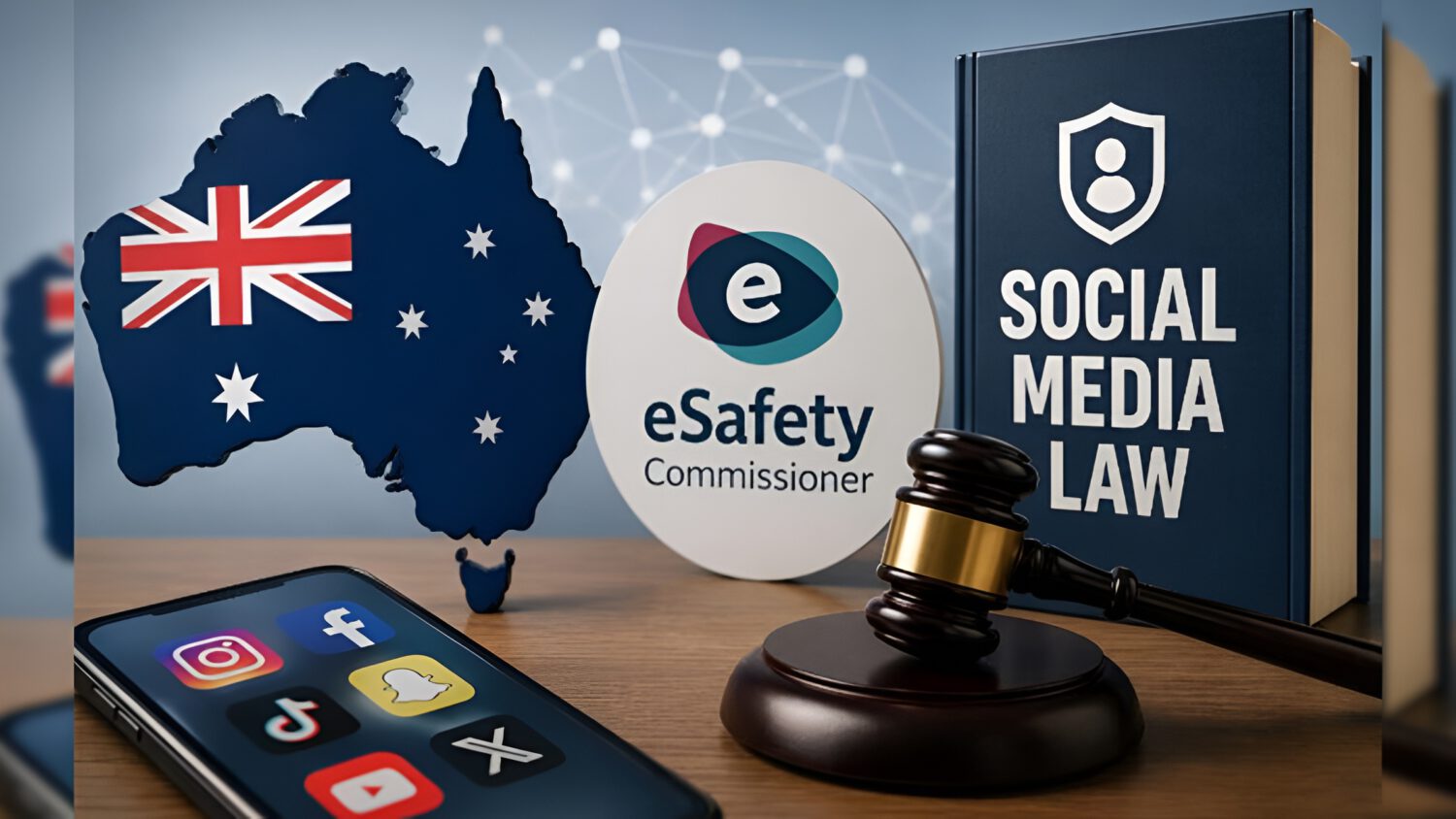
Platforms operating in Australia face significant civil penalties under the Online Safety Amendment (Digital Duty of Care) Bill 2026, introduced in the House of Representatives on October 15. The legislation would require online services to take reasonable, practicable steps to maintain safer digital environments.
The bill’s defined harm categories include child sexual exploitation, grooming, sexual violence, extreme violence, terrorist encouragement and menacing or harassing conduct. Social media platforms, online games and AI chatbots all fall within scope.
Extra Measures in the Current Draft
Faster complaint response times and new controls over algorithmic feeds are already part of the bill as introduced.
The required response time for cyberbullying and abuse complaints would drop from 48 hours to 24. Users aged 16 and older would gain tools to control whether algorithmically recommended content appears in their feeds; in practice, that means users could opt in or out of content chosen by a platform’s recommendation engine. Nudify applications and websites would become subject to action by the eSafety Commissioner under new powers to address apps and sites predominantly designed to generate fake nude material.
The government describes the framework as a system of minimum safety standards rather than a ban on individual posts. Its stated focus is on requiring services to assess risks and build systems that reduce foreseeable harm.
The Greens Want Individuals to Be Able to Sue
A proposed private right of action would shift part of enforcement power from the regulator to the courts.
The Australian Greens have indicated they want the bill amended to include a private right of action, allowing individuals harmed online to seek compensation directly through the courts. Under the bill as introduced, enforcement sits primarily with the eSafety Commissioner.
Advocacy groups are reportedly pushing to extend the bill’s harm categories beyond gendered violence to include racist, religious and homophobic hate. Those claims have not been independently verified in official sources and the details remain unclear.
Platform Concerns About Legal Exposure
The core liability question is whether broader exposure would make platforms safer or push them to remove lawful speech.
The concern is structural. If defending a legal claim costs more than removing disputed content, platforms may suppress lawful speech before any court has ruled on it. Some submissions to the Senate inquiry have argued that any private-action regime should include a serious-harm threshold to filter out trivial or vexatious claims, though those submissions require independent verification before detailed attribution.
The government frames the bill as consumer protection. Critics have argued in parliamentary debate that broad or uncertain duties create incentives for platforms to over-remove legitimate expression.
What Happens Next
The Senate committee is due to report on November 20, with several key questions still open.
The bill was referred to a Senate committee after introduction, with a reporting date of November 20, 2026. Whether the Greens’ private right of action or any formal harm threshold will be adopted remains unresolved. So does the question of how courts would balance platform safety duties against lawful political, religious or cultural expression.