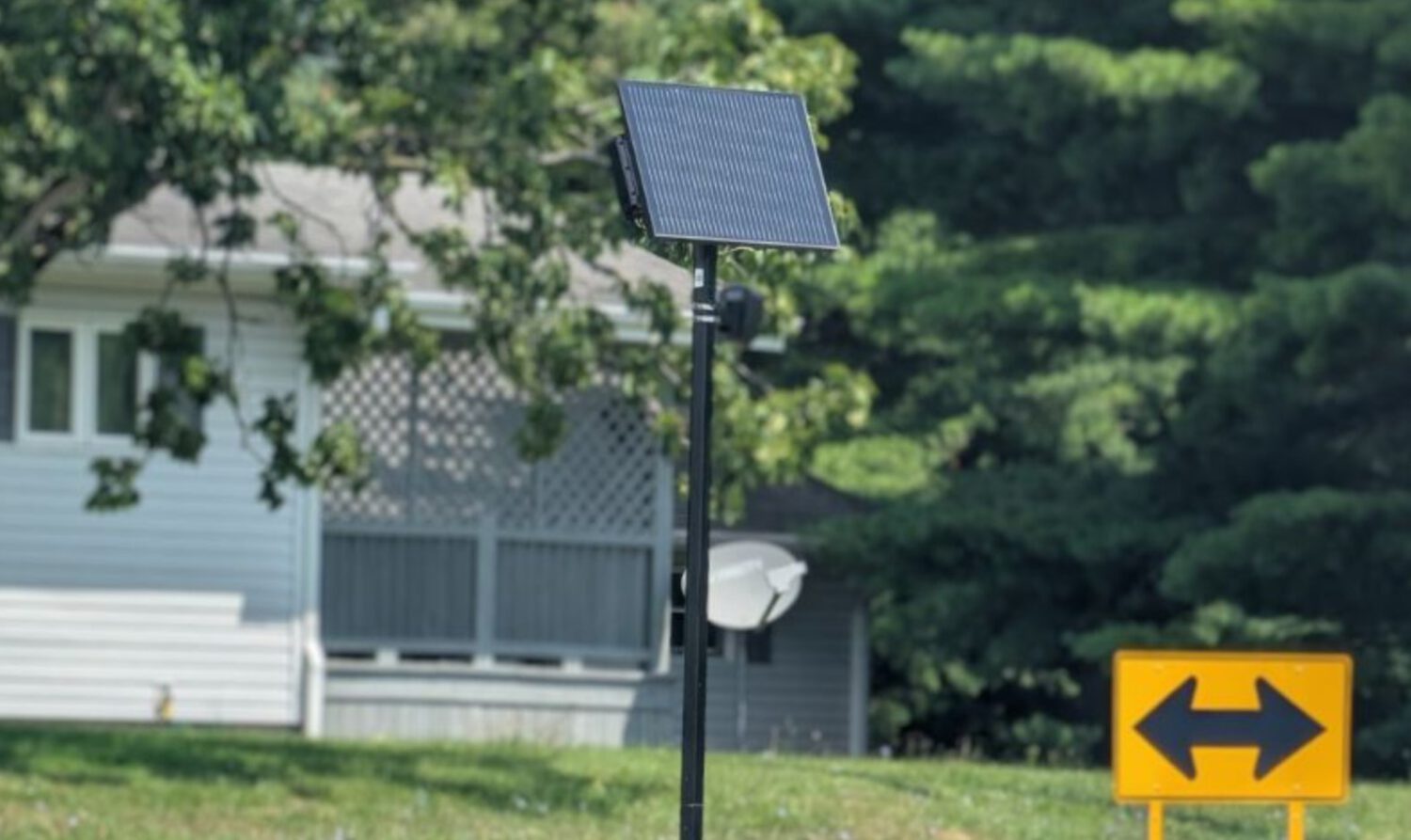
Flock Safety policy director Andrea Korb told an R Street Institute webinar that the company backs state regulation governing its automated license plate reader network. Access to cameras and vehicle data, she said, should not be unrestricted.
Korb also argued that requiring officers to obtain warrants before searching Flock databases would burden law enforcement and substantially reduce the technology’s effectiveness.
New Platform Controls
Flock announced several changes to its platform, though most are recommendations rather than mandatory resets for existing customers.
The company reduced its recommended default data retention period from 30 days to seven days. Existing customers are not required to adopt the shorter window and may keep their current policies in place.
New features include “Evidence Mode,” which lets agencies preserve records tied to active investigations without extending retention across the full database. Agencies will also be able to restrict which offense categories other departments may investigate using their cameras.
Flock plans to require law-enforcement customers to log case codes when conducting searches, with the rollout expected by the end of the year. Emergency searches can bypass that requirement but will be flagged for administrator review. A “proactive lockout” feature can automatically suspend access when activity meets criteria for abnormal behavior, also pending administrator review.
The Warrant Argument
Privacy advocates say audits find misconduct after the fact, while warrants can stop some violations before a search occurs.
Emily Grimmius, a privacy policy analyst at the Libertas Institute, draws a clear line between the two approaches. Audits can reveal patterns of unusual or unauthorized searches and may support discipline, but that review happens after access to location data has already occurred.
Grimmius is drafting Utah legislation that would generally require a warrant before searching ALPR databases, with exceptions for emergencies. The proposal would also mandate pre-installation approval, regular audits, and stronger penalties for misuse.
The structural difference is direct: Flock’s model emphasizes traceability and post-search review, while critics want a judicial finding of probable cause before any search takes place.
Voluntary Controls and Their Limits
Platform-level safeguards and legally enforceable state requirements are not the same thing.
The seven-day retention figure is a recommendation, not a universal automatic deletion. Automated misuse detection and proactive lockout flag or suspend activity during or after a search, not before it.
Whether any of these controls meaningfully protect privacy will depend on how individual agencies implement them and whether state law makes compliance mandatory and enforceable.
When Cameras Come Back
Two municipalities canceled Flock contracts and removed cameras, only to find the equipment returned.
Dayton, Minnesota, canceled its contract and directed Flock not to complete additional work orders. Residents later reported that two cameras had reappeared, and police were directed to remove them.
Grass Valley, California, experienced a similar situation after ending its contract and pulling its cameras. Flock attributed that incident to an automated maintenance process that registered the removed equipment as failed units and generated new work orders.
Both cases extend the accountability debate beyond database searches to questions of who controls physical deployment and how a municipal contract actually concludes.
More Legislation Coming
Flock’s own policy director anticipates a significant number of new state bills in 2027.
Korb said more legislation is likely in 2027, including in states that have already passed restrictions. Pennsylvania proposals under discussion would combine documented search reasons, audit trails, civil penalties, and a private right of action for people harmed by misuse.