A Philadelphia woman was arrested after repeatedly stepping in front of an Uber Eats delivery robot near Reading Terminal Market, setting off a public debate over automation, labor, and the boundaries of protest.
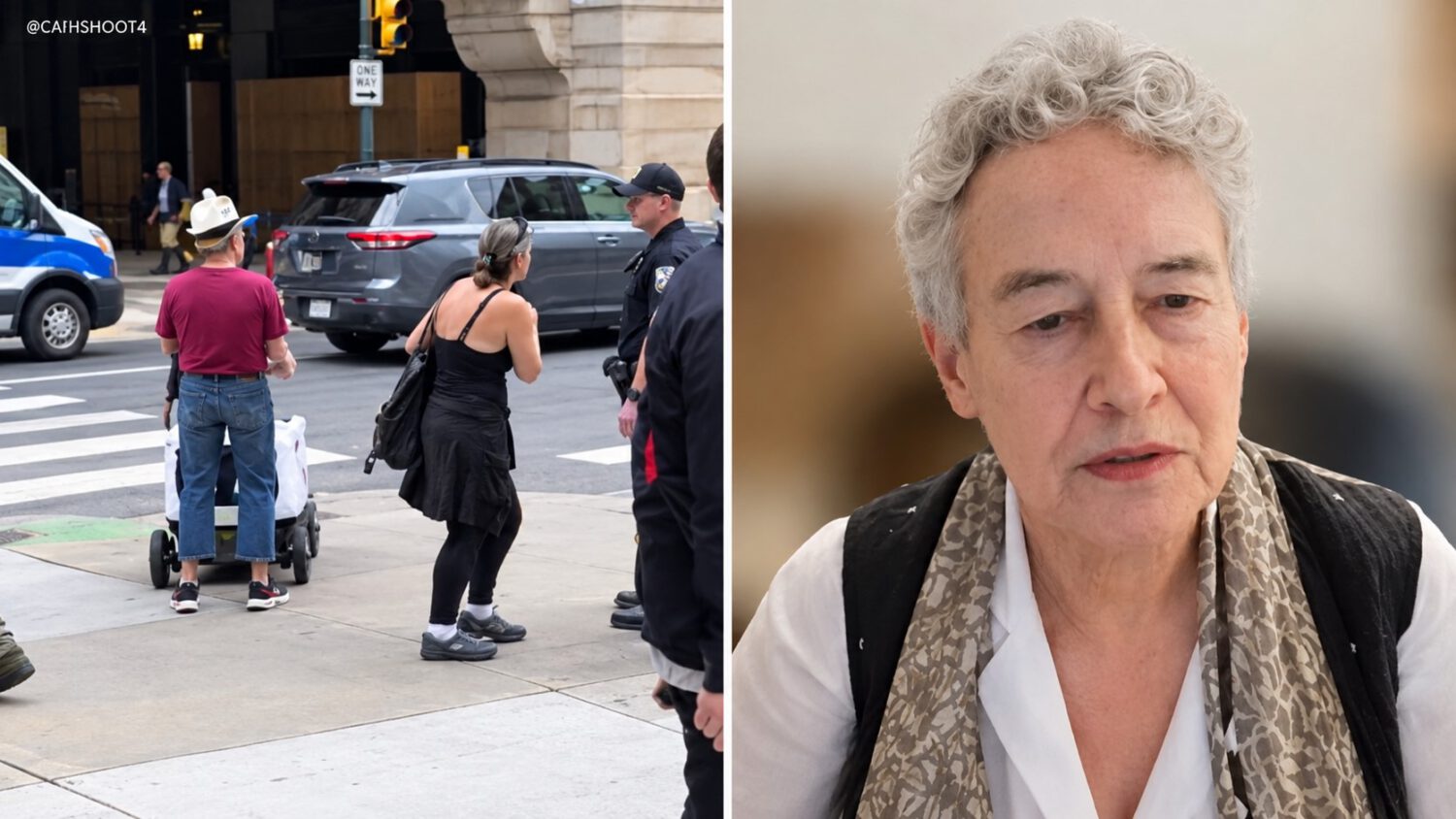
Carolyn Marvin was charged with disorderly conduct after Philadelphia police responded to reports of a disturbance on the 1200 block of Filbert Street, according to WPVI/Action News. Officers said she ignored multiple commands to move out of the robot’s path.
What Happened on Filbert Street
The confrontation drew online attention and raised questions about where protest rights end and criminal obstruction begins.
Video of the incident circulated online, according to WPVI/Action News. Police said witnesses reported the disturbance before officers arrived.
Marvin told Action News her actions were intentional. She said she believes delivery robots are displacing human workers, and she framed the obstruction as constitutionally protected expression: “I think it’s my First Amendment right to publicly demonstrate on a sidewalk to protest against delivery robots.”
That quote is attributed to Marvin through secondary reporting; the exact wording should be understood as her stated position, not an established legal conclusion.
This was not her first such confrontation. A September incident on Broad Street, also involving a delivery robot, circulated on social media before the Filbert Street arrest, according to WPVI/Action News.
What These Robots Actually Are
Avride’s sidewalk robots are a small but visible part of Uber Eats’ Center City delivery network, operating under Pennsylvania state oversight.
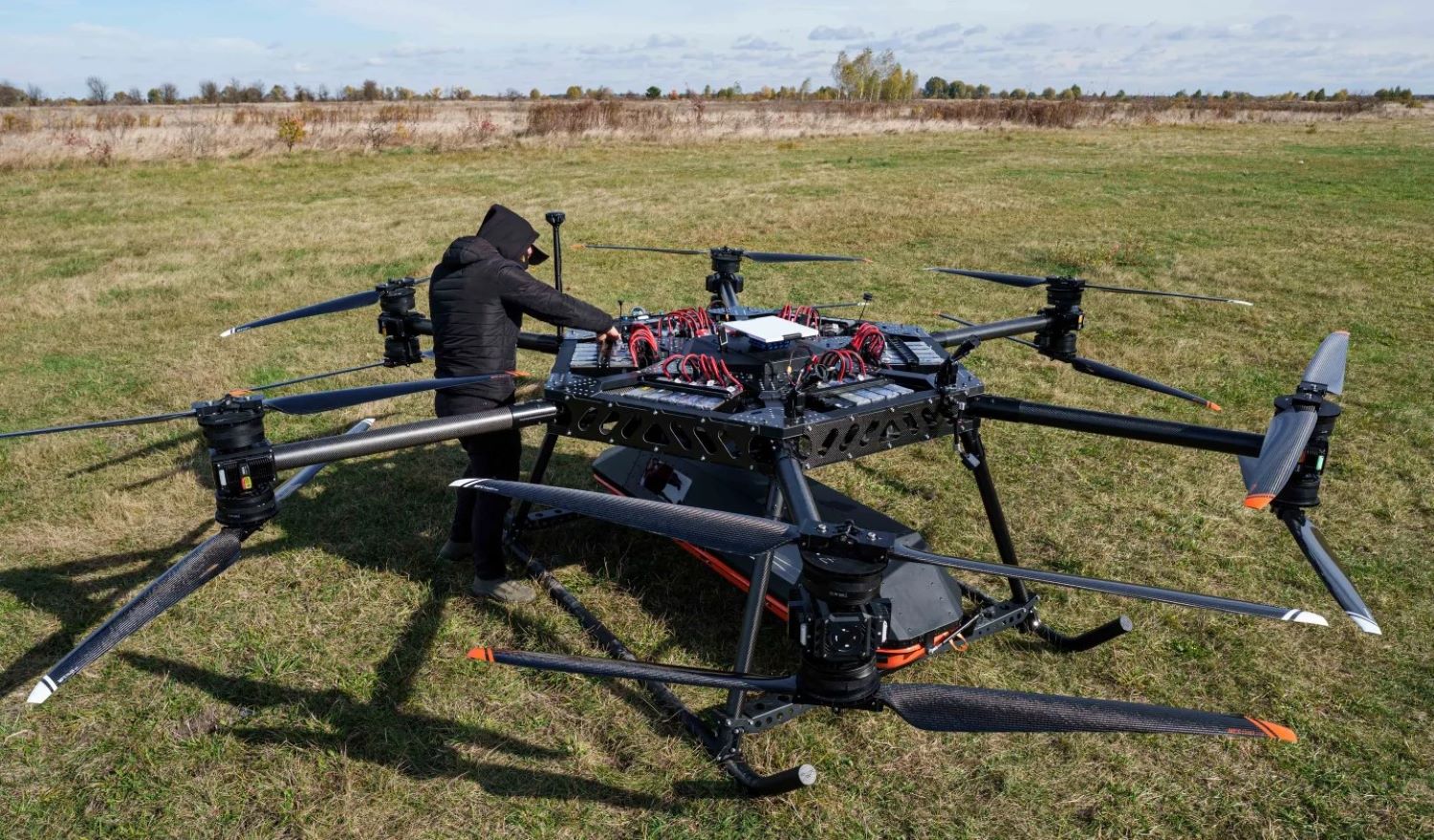
Uber Eats launched Avride autonomous delivery robots in Center City in March 2026, according to the Philadelphia Inquirer. The machines travel at up to 5 mph and can run for up to 12 hours per charge. They use cameras, ultrasonic sensors, and lidar to navigate sidewalks, and a remote support team can intervene when needed, the Inquirer reported.
Customers track the robot through the Uber Eats app and unlock a hatch when it arrives, according to CBS News Philadelphia.
Under Pennsylvania’s personal-delivery-device framework, the robots are required to yield to pedestrians, according to the Pennsylvania Department of Transportation. The Philadelphia Inquirer reported that operator violations carry fines ranging from $25 to $1,000.
A Pattern Playing Out on Philadelphia Sidewalks
Marvin’s arrest is part of a broader pattern of residents confronting the robot fleet since its Center City debut.
Other residents have previously kicked, toppled, or blocked the robots, according to the Inquirer. Police have said that people who damage the devices could face criminal-mischief charges or code violations depending on the circumstances, the Inquirer reported.
Uber Eats allows customers to opt out of robot delivery when the service is available, according to the Inquirer. Critics, including Marvin, have raised concerns about employment effects and the pace at which automated systems are entering crowded urban corridors.
The Regulatory Question Left Unresolved
Pennsylvania holds primary authority over these devices, leaving Philadelphia with limited but meaningful tools to manage where robots operate.
Pennsylvania’s personal-delivery-device law gives the state sole authority to issue and revoke operating authorizations, which limits Philadelphia’s ability to impose sweeping local restrictions, according to PennDOT and the Inquirer. The city can, however, restrict the robots in specific locations when they create safety hazards, the Inquirer reported.
Marvin said she hoped the incident would encourage public discussion and that she had no intention of stopping her protests, according to WPVI/Action News and secondary reporting. The charge against her remains a police determination, not a judicial ruling on whether her conduct constitutes protected expression.