Six months in space can compress biological changes that would otherwise take years to observe on Earth. That is precisely why Mount Sinai researchers, working with NASA and Space Tango, sent human-derived heart and brain tissue models to the International Space Station aboard SpaceX’s CRS-35 resupply mission in October 2026. This is foundational science, not a proven longevity treatment.
The Experiment
Sixteen beating heart organoids are operating in orbit, producing data on how microgravity and radiation alter human tissue at the cellular level.
Organoids are three-dimensional structures grown from human cells that reproduce selected features of real tissue. They are not complete organs and cannot model every interaction inside a full human body, but they are detailed enough to show how cells respond to measurable biological stress. For a space mission, where cargo weight and crew time are tightly rationed, that makes them practical in ways a whole-organ study cannot be.
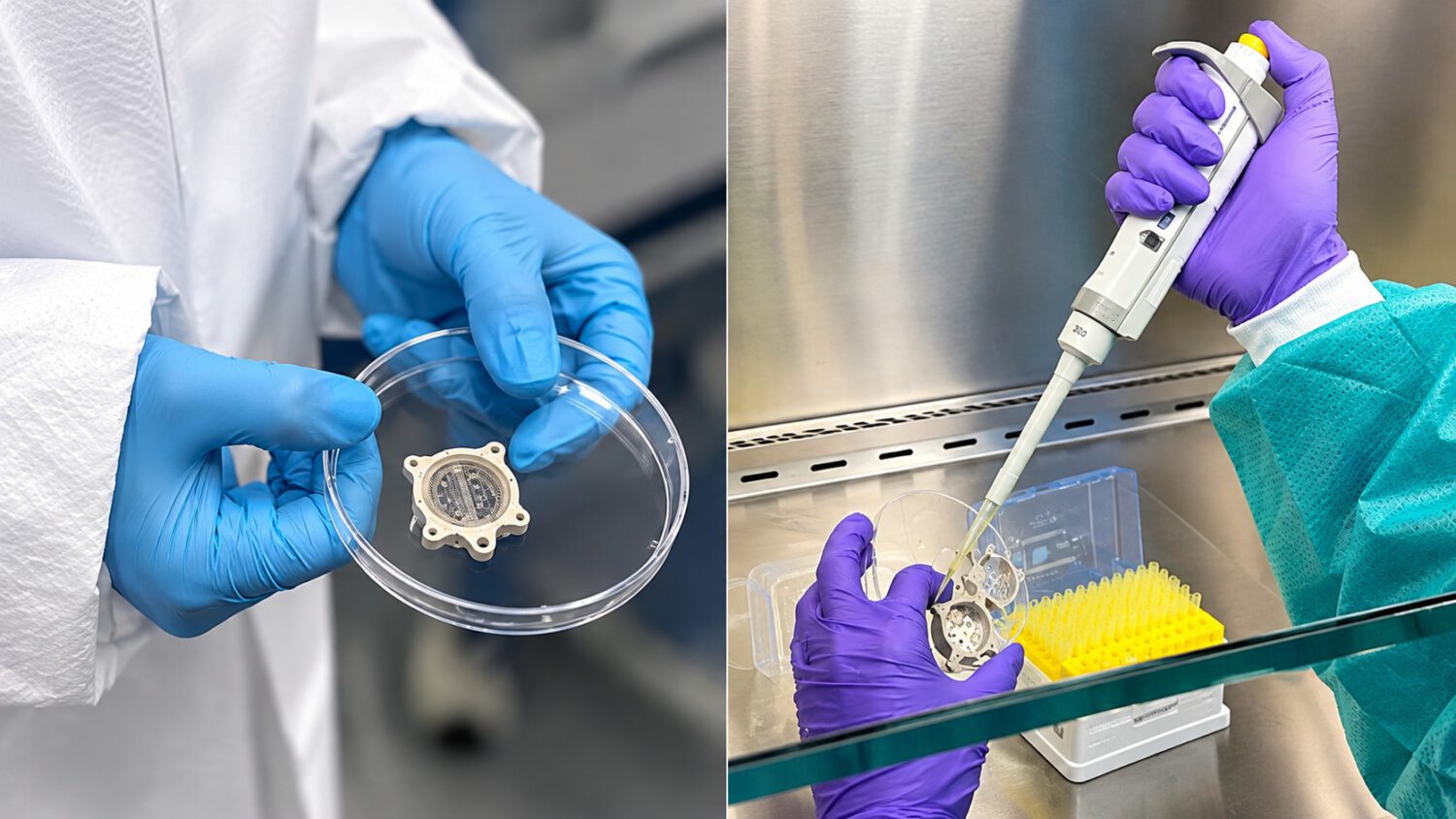
Two microfluidic chips house up to 16 beating organoids inside Space Tango’s automated CubeLab system, according to Mount Sinai. CubeLab delivers electrical pacing signals, tests pressure responses, captures microscopic images, and collects fluid samples. Astronaut involvement is not required for routine operation.
Brain organoids are running as a separate investigation aboard the same mission to track neurological changes in the orbital environment. Mount Sinai confirms the brain and cardiovascular investigations are distinct experiments, not identical protocols sharing the same hardware. Together they represent the most comprehensive human tissue study the team has attempted in orbit.
CRS-35 builds on earlier work: during the 2023 CRS-29 mission, the team sent human heart cells and micro-tissue samples to the ISS, where they survived roughly 30 days before returning to Earth. That prior mission established feasibility for the current, more complex payload.
“Six months in space is equivalent to about 10 to 20 years of aging on Earth.” Kevin Costa, associate professor of surgery and cardiovascular researcher, Icahn School of Medicine at Mount Sinai.
That comparison describes the speed of selected biological changes in specific tissue types, not a prediction that an astronaut’s entire body ages by two decades on a single mission.
What It Could Mean for You
The findings could shape how researchers screen drugs for heart failure, Alzheimer’s, and vascular aging, though the path from orbit to clinic remains long.
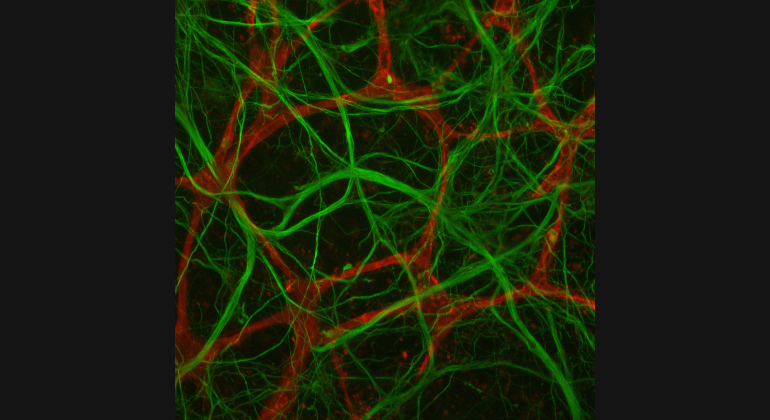
Researchers aim to identify biological pathways behind cardiac and vascular deterioration, including processes linked to heart failure and vascular stiffness, according to Mount Sinai. Brain organoids may help investigate cellular mechanisms relevant to Alzheimer’s and Parkinson’s disease, though this mission will not establish treatments for either condition. Mount Sinai frames the broader goal around healthspan, the period of life spent in relatively good health, rather than simply adding more years to it.
Space-based tissue models could accelerate early drug screening by exposing human-derived cells to measurable aging-like stress. That screening is one step in a long pipeline. Any therapy emerging from this research would still require laboratory, animal, and human clinical trials, followed by full regulatory review before reaching patients.
Long-duration missions to the Moon or Mars expose crew to cardiovascular, neurological, and musculoskeletal risks that current medicine cannot fully predict or prevent. Better tissue-response data could support monitoring tools and protective protocols for those missions. CRS-35 also carried hardware for manufacturing artificial retinas in microgravity and the final pair of iROSA solar arrays for the station, underscoring the ISS’s role as a platform for both spaceflight and terrestrial research.
When the Dragon spacecraft returns time-sensitive samples to Earth, researchers will analyze the data and feed findings into drug-screening programs. Clinical benefits remain prospective. What this mission can realistically deliver is clearer insight into how human tissue responds to extreme stress, and that knowledge is where better treatments eventually begin.