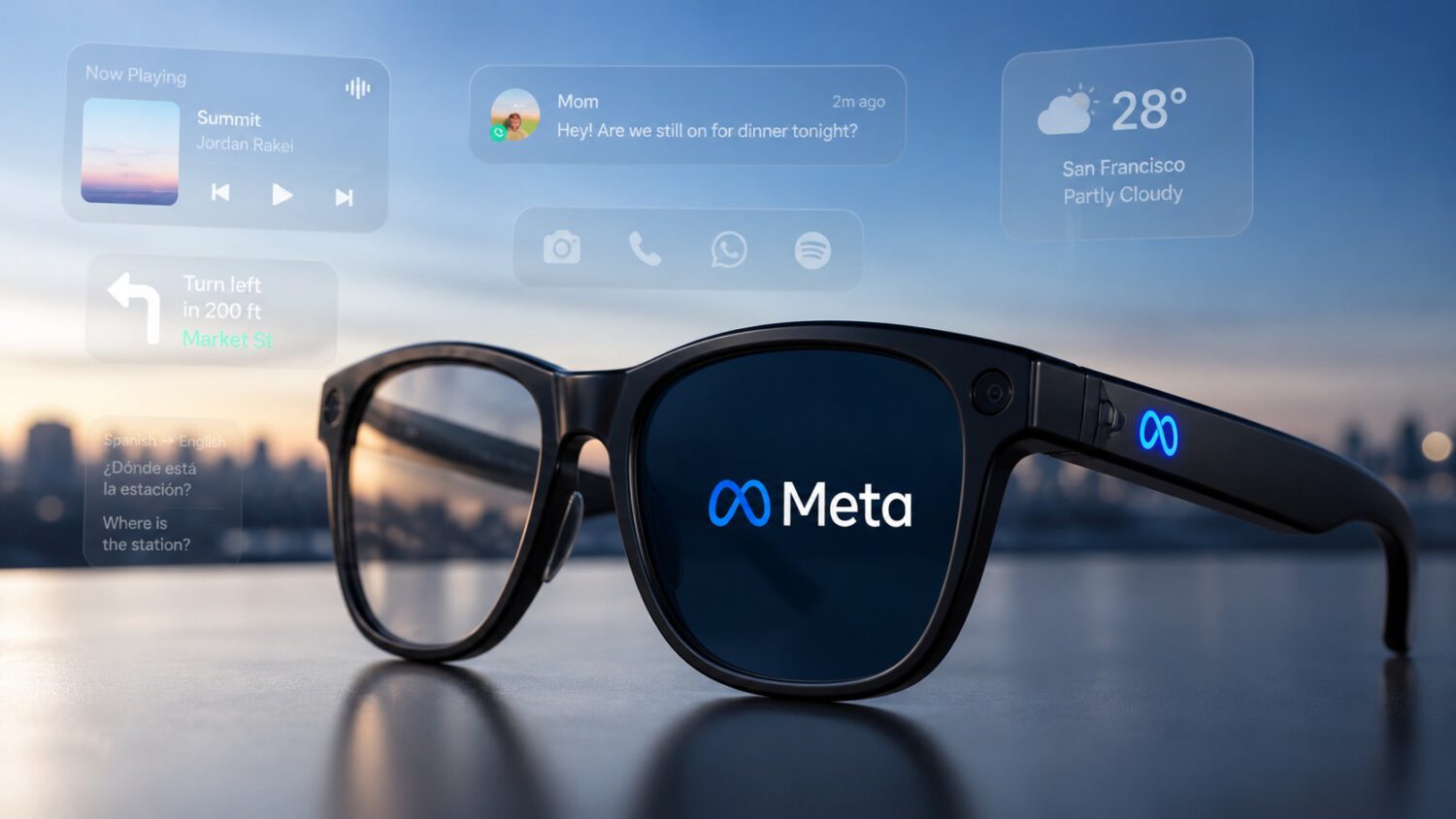
Some Ray-Ban Meta owners are reporting that their glasses allegedly captured conversations and generated transcripts in the Meta AI app, even with “Respond without Hey Meta” disabled. According to Android Authority’s reporting, the smart glasses‘ notification LED reportedly lit during ordinary conversation, and the behavior allegedly appeared after a recent firmware update. The owner said the transcripts showed up without any intentional wake-word command.
The reports come from one owner covering second- and third-generation models, with other commenters describing similar experiences. Android Authority did not independently reproduce the behavior, and there is no evidence the issue is widespread. The reports carry weight beyond their limited scope because Meta’s own voice-controls privacy notice explicitly names inadvertent activation as a known category of voice interaction. Stored recordings can be retained for up to one year unless users delete them first.
Meta’s documentation acknowledges false wakes as a possibility, but that disclosure does not independently confirm these specific allegations.
Meta stated the issue had been resolved and directed users to the Meta AI app to review and delete voice logs, according to Android Authority’s reporting. Ray-Ban’s official FAQ says the notification LED pulses to indicate that voice commands are active or that the wake word has been triggered, and that the system is designed to ignore speech not directed at the device.
These audio allegations arrive against a backdrop of existing scrutiny over Ray-Ban Meta products. Earlier Ars Technica reporting described contractors reviewing footage from the glasses that reportedly included highly sensitive material, such as images from bathrooms. Meta confirmed it shares some user-provided content with contractors for product-improvement purposes while applying privacy protections to the data. That prior story involved camera footage; the current allegations concern audio processing and voice logs specifically.
Ray-Ban Meta owners should check the Meta AI app now: voice logs can accumulate without any deliberate command and persist for up to a year, according to Meta’s privacy notice. Open the app’s voice-activity controls, confirm your “Respond without Hey Meta” setting, and install any pending firmware or app updates. If unexpected activations continue, document them with dates, firmware version, LED behavior, and screenshots.
Every always-on microphone requires you to trust the gap between detecting a sound and storing it.
Unlike a phone sitting on a table, smart glasses wear like ordinary eyewear, offering no screen to signal what is happening at any given moment. As wearables become less conspicuous, the distinctions between listening, processing, and storing audio matter more. Clearer disclosure at each stage is likely to become both a consumer expectation and a point of regulatory interest. For now, the practical answer is the same one that applies to every ambient device: know where your logs live, and delete what you did not intend to share.