Federal prosecutors have charged a former OpenAI engineer with planting a concealed audio recorder in an executive conference room at the company’s San Francisco office, allegedly to capture sensitive communications about its artificial intelligence technology.
Abdulrahman Alfozan, 35, a Saudi national who joined OpenAI in July 2025, was arrested on October 9, 2026, and made his first federal court appearance on October 13. He faces a charge of using or attempting to use a surveillance app to intercept oral communications.
The Device and the Discovery
What prosecutors describe is a low-tech approach to one of the most closely watched companies in the AI industry.
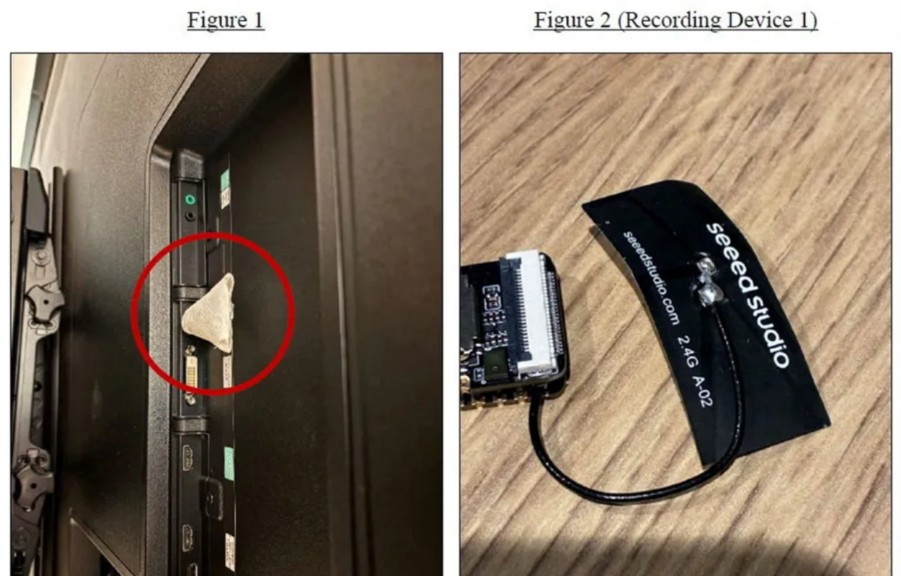
Prosecutors allege Alfozan installed the device around September 28, connecting it through a USB port on the back of a conference room television. According to the complaint, it was concealed in toilet paper and contained encrypted material.
OpenAI personnel discovered the device on or about September 30. The investigation did not end there.
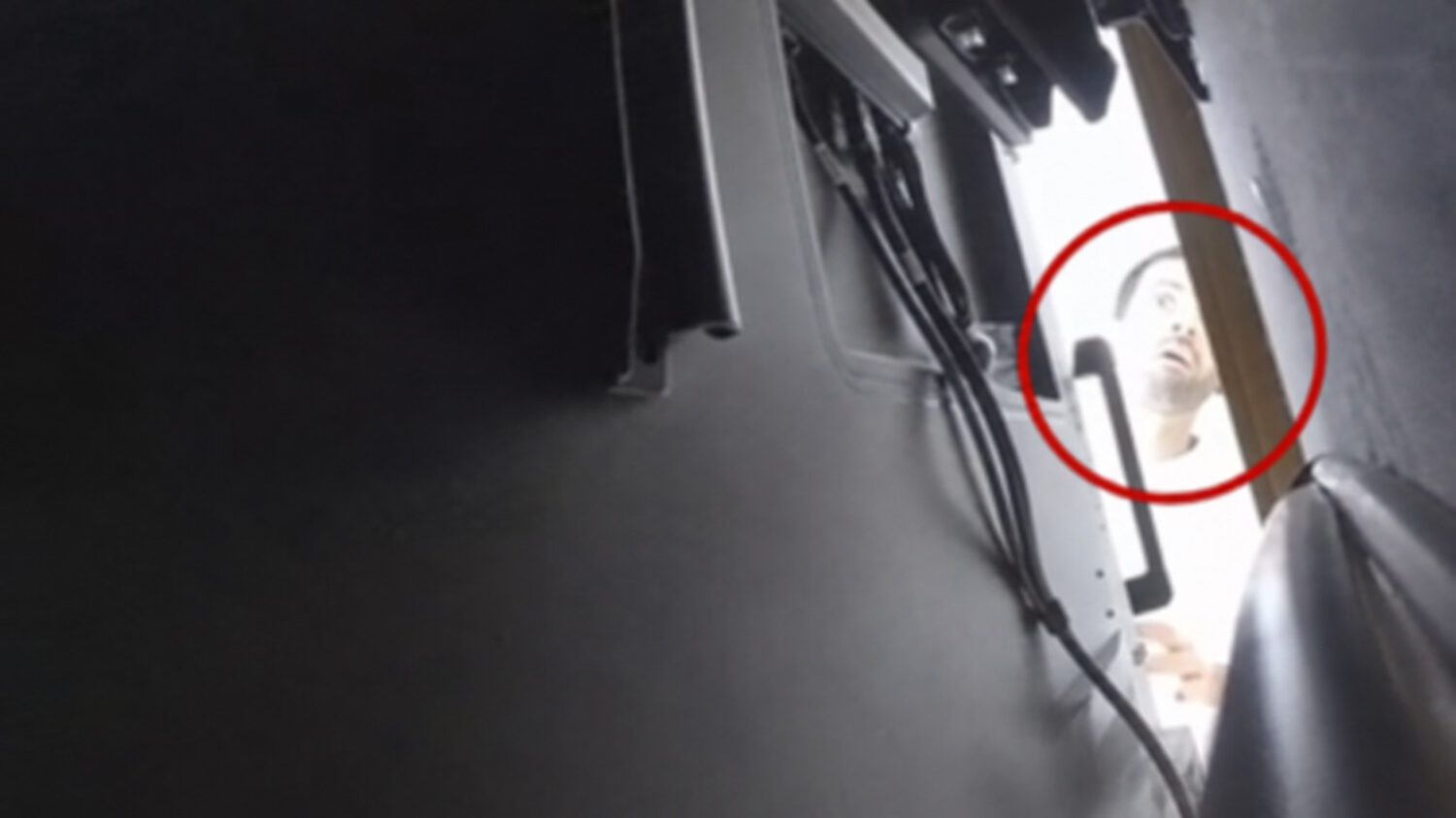
Prosecutors allege Alfozan appeared near or returned to the conference-room area on October 5. CCTV footage reportedly showed him near the conference room, and OpenAI security personnel that same day found an unattended bag containing his wallet, identification, and a second recording device similar to the first.
Prosecutors also allege, according to the criminal complaint, that chatbot activity associated with Alfozan or an account linked to his spouse included recorded research queries. Those queries reportedly covered building, customizing, installing, disguising, remotely accessing, and encrypting a continuous audio recorder.
The Investigation and What Was (and Wasn’t) Taken
OpenAI turned its own technology on the problem, but the investigation ultimately belonged to law enforcement.
OpenAI fired Alfozan and referred the matter to the FBI. According to OpenAI, the company used its own AI models to help analyze the device and identify the source. Those internal findings fed into a broader investigation that law enforcement ultimately took over.
The AI-assisted analysis did not independently establish criminal guilt; it was one component of an investigation that also relied on CCTV footage and physical evidence.
Critically, OpenAI stated it found no indication that model weights, source code, or confidential files had been improperly accessed or removed. That distinction matters.
Physical access to an executive conference room and digital access to core AI systems are two separate threat surfaces. Prosecutors allege the former was compromised in this case; OpenAI says the latter was not.
If convicted, Alfozan faces a maximum of five years in prison, a $250,000 fine, and three years of supervised release. Those are statutory maximums, not a forecast of any eventual sentence. No defense position was identified in the sources reviewed for this article.
The case is a pointed reminder that even technically sophisticated organizations remain vulnerable to physical-access threats. An encrypted device plugged into a USB port and placed in a room used for confidential discussions can represent a serious security exposure, regardless of how robust the surrounding digital infrastructure may be.