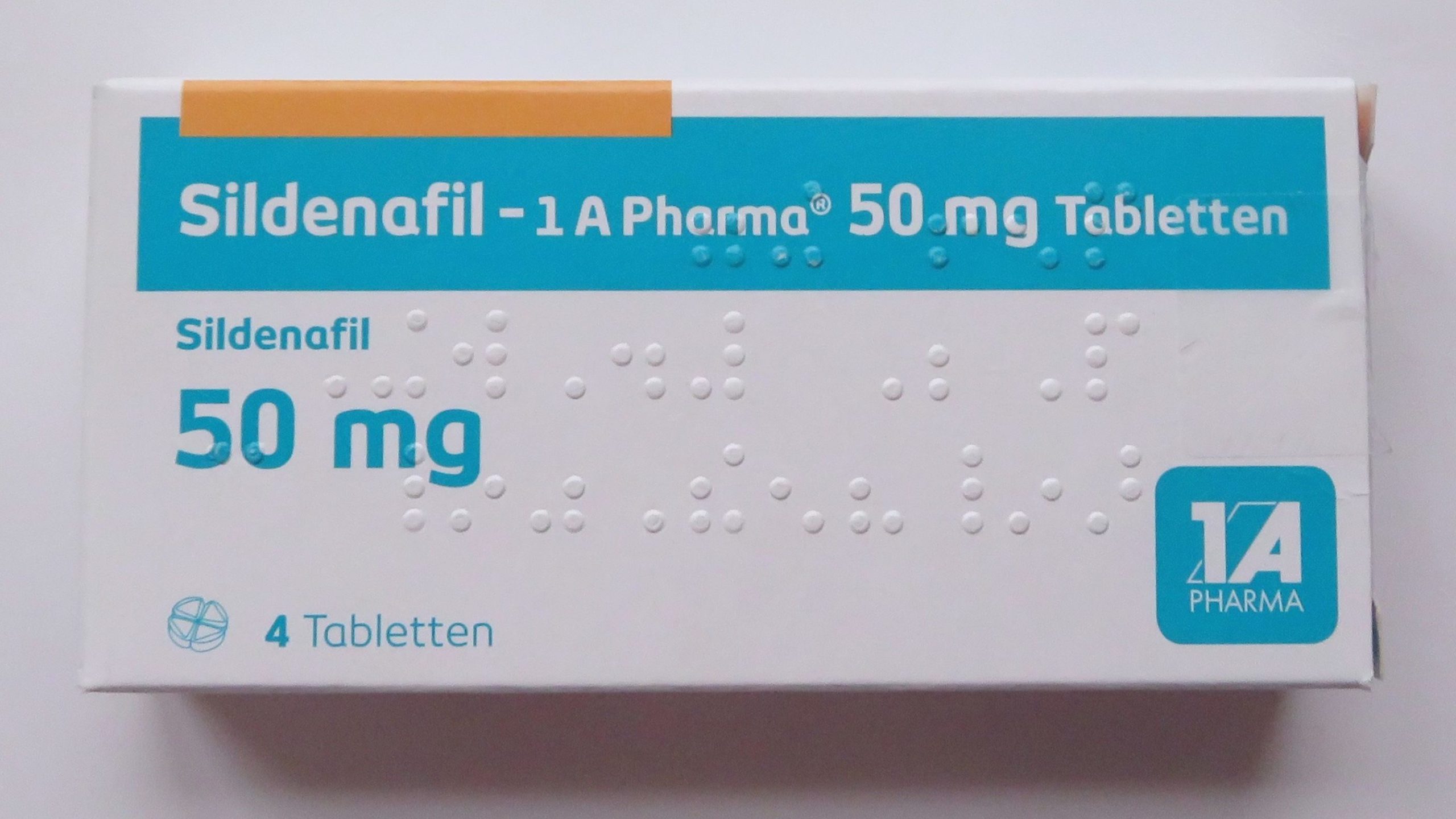
A cheap, generic pill best known for treating erectile dysfunction might have a second act in oncology. Researchers at Israel’s Weizmann Institute of Science, led by Dr. Yarden Ariav in Prof. Ayelet Erez’s lab, published findings in Cancer Research showing that sildenafil — the active ingredient in Viagra — disrupts how cancer cells use cholesterol, making it significantly harder for tumors to metastasize. The mechanism is compelling. The evidence is early. And that difference matters enormously.
How a $1 Pill Starves Cancer’s Escape Route
Multiple studies suggest sildenafil could limit tumor spread and boost survival — though all findings remain preclinical or observational.
Think of sildenafil as the character actor who spent 25 years in supporting roles before someone handed it an unexpected audition. The Weizmann team found that cancer cells rely on cholesterol for the membrane flexibility that lets them migrate and invade new tissue. Sildenafil disrupts that process, essentially pulling the scaffolding out from under the tumor’s escape plan. Observational data from the same study found that patients who had used sildenafil before their diagnosis showed better overall survival — with the strongest benefit among those who also took statins.
The supporting evidence spans several cancer types:
- A Swedish study published in Nature Communications reported an 18% lower risk of colorectal cancer death among PDE5 inhibitor users after diagnosis.
- In mouse models, a low daily dose of sildenafil cut colorectal polyp formation by roughly 50%, according to research in Cancer Prevention Research.
- University of Ottawa researchers combined sildenafil with an inactivated flu vaccine and saw cancer spread reduced by more than 90% in mice — effectively giving the immune system both a map and a weapon by suppressing myeloid-derived suppressor cells while boosting natural killer cell activity.
Oncologists quoted in coverage of the Weizmann findings cautioned that “these findings are encouraging, but they do not mean cancer patients should start taking Viagra,” stressing that randomized clinical trials are required before any clinical use.
Clinical Trials Will Separate Signal From Noise
Active trials and planned human studies could determine whether sildenafil earns a place in oncology’s toolkit within the next few years.
The melanoma question is worth addressing directly. A 2014 JAMA Internal Medicine study flagged elevated melanoma risk among Viagra users — a finding that generated real concern. A larger 2017 study in the Journal of the National Cancer Institute largely recontextualized that risk: the elevated figure dropped to 12%, confined mostly to stage-zero melanoma, with Harvard researchers noting the absolute risk increase was just 0.43%. Mechanistic studies do suggest caution for patients with existing melanoma specifically, which underscores why expert guidance matters here.
The Massey Cancer Center currently has an open trial combining sildenafil with the targeted therapy regorafenib for advanced solid tumors. Investigators behind the colorectal polyp research say sufficient data now exist to justify human chemoprevention trials. Because sildenafil is generic and widely available, if those trials confirm benefit, the cost-to-impact ratio could prove unusually favorable — a genuine rarity in oncology. The next few years of controlled trial data will determine whether this particular supporting actor is finally ready for a lead role.