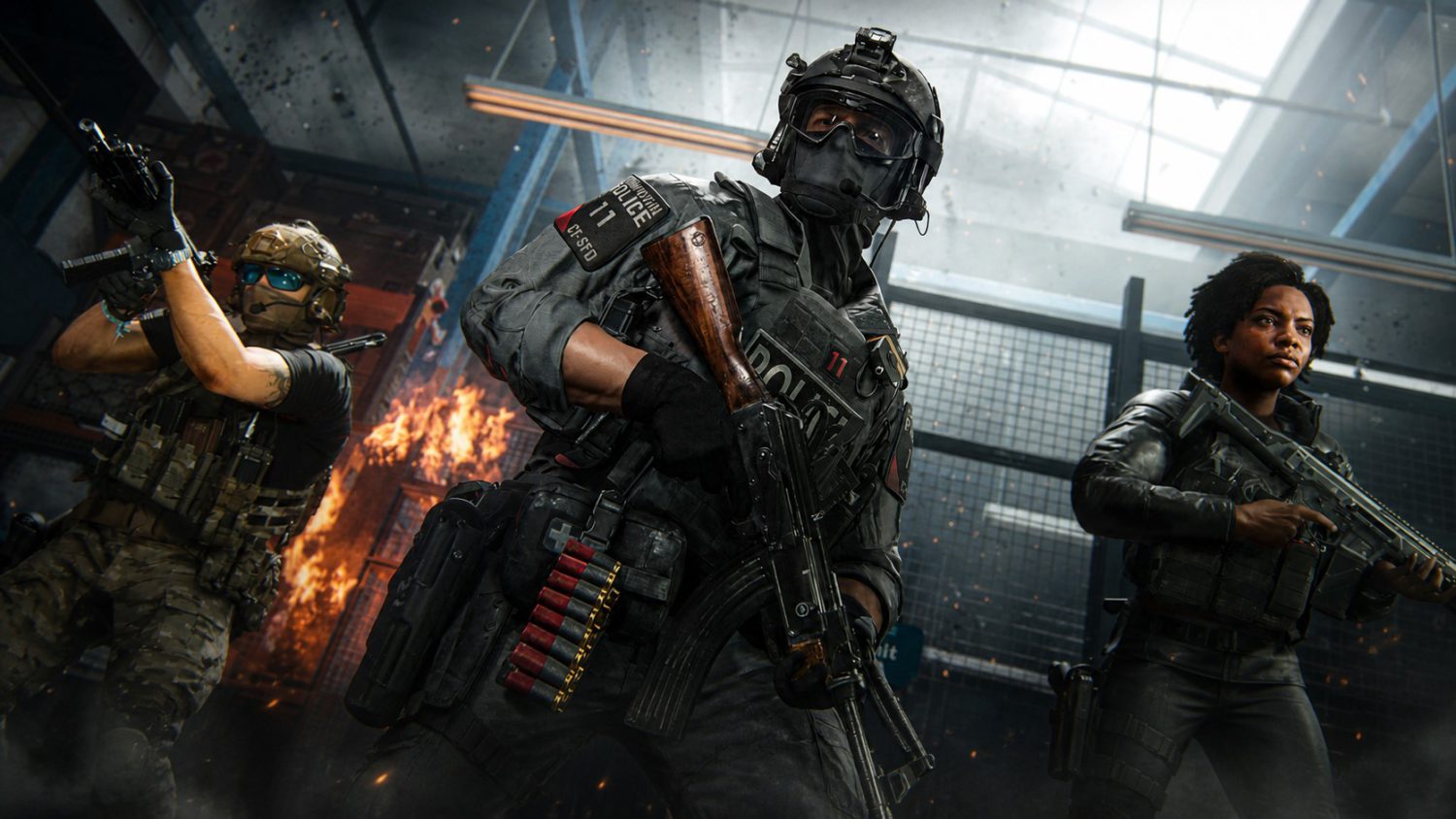
Roughly $8.5 billion changes hands every year inside the video game cheating economy, according to modeled estimates from security research firm Intorqa, and Activision is making sure you know that number ahead of Call of Duty: Modern Warfare 4’s October 22 launch. That figure is an estimate, not a financial filing. Intorqa’s own 95% confidence range spans $5.1 billion to $13.8 billion, so treat it as a credible order of magnitude rather than a precise ledger entry.
What the $8.5 Billion Actually Covers
Two revenue layers make up the cheat economy: subscription software and a sprawling network of adjacent services.
Intorqa’s Cheatonomics analysis modeled cheat subscriptions across 15 major titles and arrived at roughly $3.5 billion annually from software sales alone. Account trading, boosting services, hardware ID spoofers, and other supporting tools push the broader ecosystem to approximately $8.5 billion per year, according to Intorqa’s research.
Intorqa’s own summary puts that figure in sharper relief, noting that cheat revenues are roughly five times Twitch’s annual revenue and exceed the entire global esports market, according to the firm’s research.
High-end subscription cheats can exceed $100 per month. Add spoofer fees and Direct Memory Access hardware designed to work around kernel-level anti-cheat, and some cheaters spend hundreds to thousands of dollars per year before a single ban wipes the investment clean.
Generative AI has complicated the picture further. Cheat developers are reportedly using AI tools to accelerate development, improve obfuscation, and speed up distribution, which is part of why Activision is surfacing this research now.
What Activision Is Doing About It
Team Ricochet pairs memory-level technical detection with a graduated ban system and direct legal action against cheat vendors.
Team Ricochet has disrupted more than 375 reseller operations, issued over 80 cease-and-desist demands, and helped shut down 31 primary cheat vendors. Activision also published body-cam footage of a cease-and-desist being served to a cheat developer, signaling that legal exposure is real and documented.
On the technical side, Ricochet deploys memory signature scanning. A unique string tied to a specific cheat running in active memory flags the account. Ricochet then collects behavioral data over time, and once validated, that signature drives automated bans at scale.
Behavioral telemetry tracks kill-death ratios and win-loss trends for outlier patterns. Internal replay tools let the security team render and visually review full matches when needed.
Enforcement is graduated rather than immediate. Shadow bans route suspicious accounts into restricted lobbies while further data is gathered, giving Ricochet room to confirm a violation before escalating. Consequences can then range from ranked-play restrictions to temporary suspensions, permanent account bans, or full hardware bans blocking a specific device entirely.
The scale of enforcement in 2026 is notable: over 293,000 Call of Duty accounts banned, with an average time from in-match detection to removal of approximately six minutes, faster than most players finish a single round.
Activision’s message to anyone still weighing a cheat subscription is unambiguous: “Ultimately, cheating is a losing investment. Every time we identify and remove a bad actor, the money they spent cheating goes with them, all for a temporary ego boost.”
Neither Activision nor security researchers believe cheating will ever disappear entirely. The realistic goal for Modern Warfare 4 is reducing its frequency and impact. That means the arms race between Ricochet and cheat vendors continues past launch day, regardless of how many resellers get shut down before October 22.