Data breaches exposed 3.2 billion records in 2023, turning personal information into currency for bad actors. Your digital footprint is worth more than you think, and someone is always watching. The combination of online tracking and physical vulnerabilities creates risks that good intentions alone can’t fix. This collection of hardware delivers tangible defenses: network-wide security, encrypted connections, signal blocking, and genuine peace of mind. These gadgets form your tactical defense against digital surveillance and physical threats.
This content may contain affiliate links. If you wish to support us and use these links to buy something, we may earn a commission.
19. Firewalla Gold Firewall Appliance
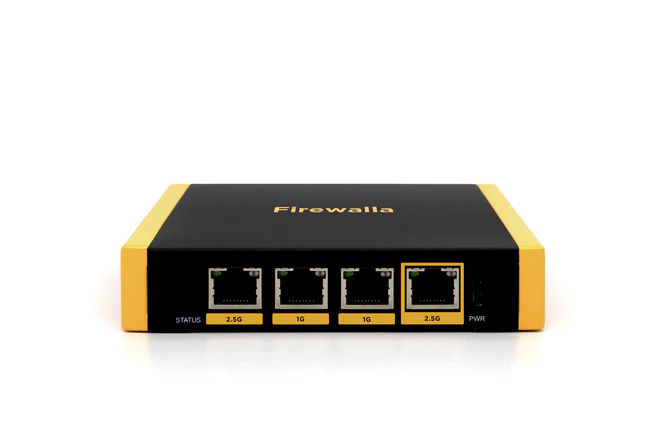
Your smart fridge shouldn’t be phoning home to strangers.
Smart devices routinely communicate with external servers without asking permission, turning home networks into digital free-for-falls. The Firewalla Gold acts as a robust network guardian for every gadget on your home or small business network. It employs deep packet inspection—examining actual data content—and comprehensive VPN services to ensure all traffic is legitimate and private.
Powered by a 64-bit quad-core Intel CPU and 4 GB RAM, it handles constant traffic analysis at speeds up to roughly 3 Gbps of deep packet inspection throughput across four 1 Gbps Ethernet ports. Within minutes of monitoring, you’ll spot when smart appliances attempt connections to suspicious external servers. This device maintains a critical first line of defense, securing your entire digital perimeter from unwanted intrusion.
18. GL.iNet Beryl AX (GL-MT3000) Travel Router
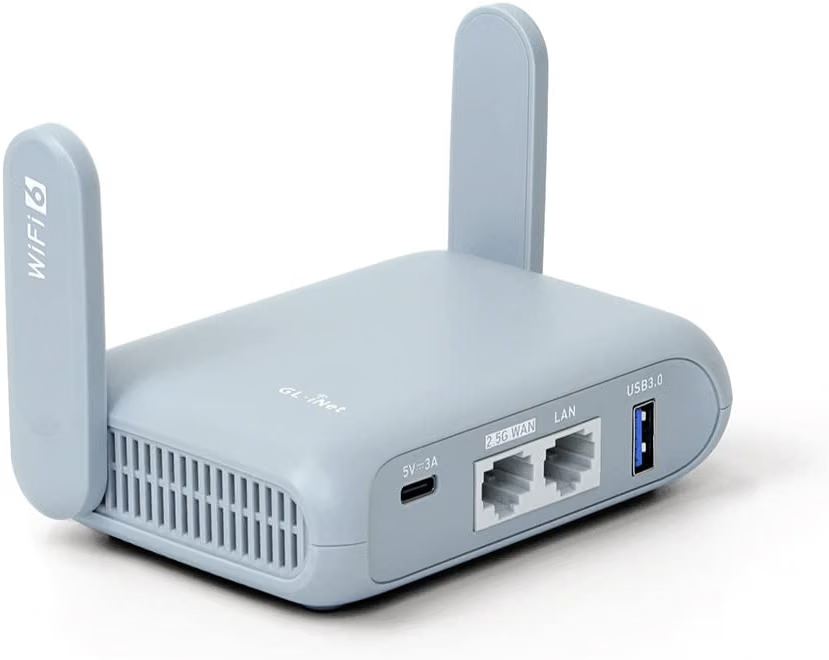
Turn hotel Wi-Fi from a digital free-for-all into your own encrypted fortress.
Public Wi-Fi is open to any snoop with basic technical skills. The GL.iNet Beryl AX transforms hotel, airport, or café connections into encrypted private networks. This Wi-Fi 6 (802.11ax) AX3000 travel router, driven by a MediaTek MT7981B dual-core 1.3 GHz processor, delivers wireless throughput of 574 Mbps at 2.4 GHz and 2,402 Mbps at 5 GHz.
Its built-in VPN client supports WireGuard at up to roughly 300 Mbps and OpenVPN around 120–150 Mbps, shrouding your data in secrecy. Hook up your laptop and phone to a shielded connection, effectively turning your hotel room into a private bunker. Simultaneously, it filters ads and malware for every connected device, cleaning up the internet before it reaches your screen.
17. Winston Privacy Filter Hardware
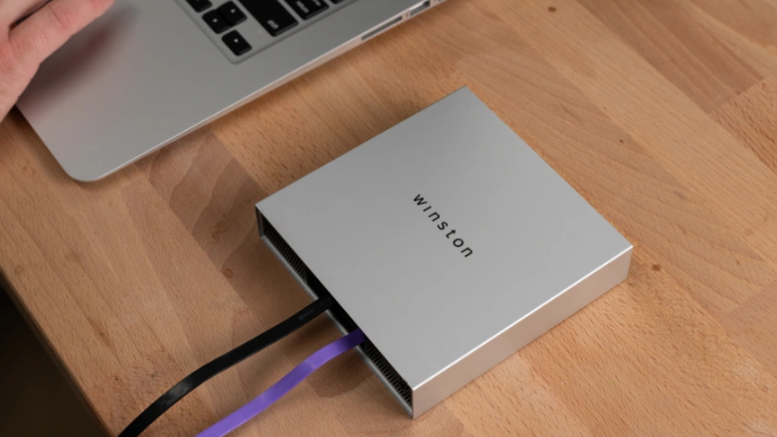
Become practically invisible to tracking companies with a plug-and-play box.
Online tracking has become an invisible, pervasive dragnet harvesting digital crumbs from every corner of the internet. The Winston Privacy Filter sits between your modem and router, a true plug-and-play setup that secures your entire home network. It features a Marvell ARMADA dual-core ARM Cortex-A53 network processor at roughly 1.0 GHz and approximately 1 GB DDR4 RAM.
Winston meticulously blocks advertising trackers, cookies, and browser fingerprinting across every device you own. It routes traffic over a peer-to-peer Privacy Mesh network, scrambling your IP address through 20–30 randomly selected Winston nodes. Set it up once, then forget it.
16. Hak5 WiFi Pineapple Mark VII
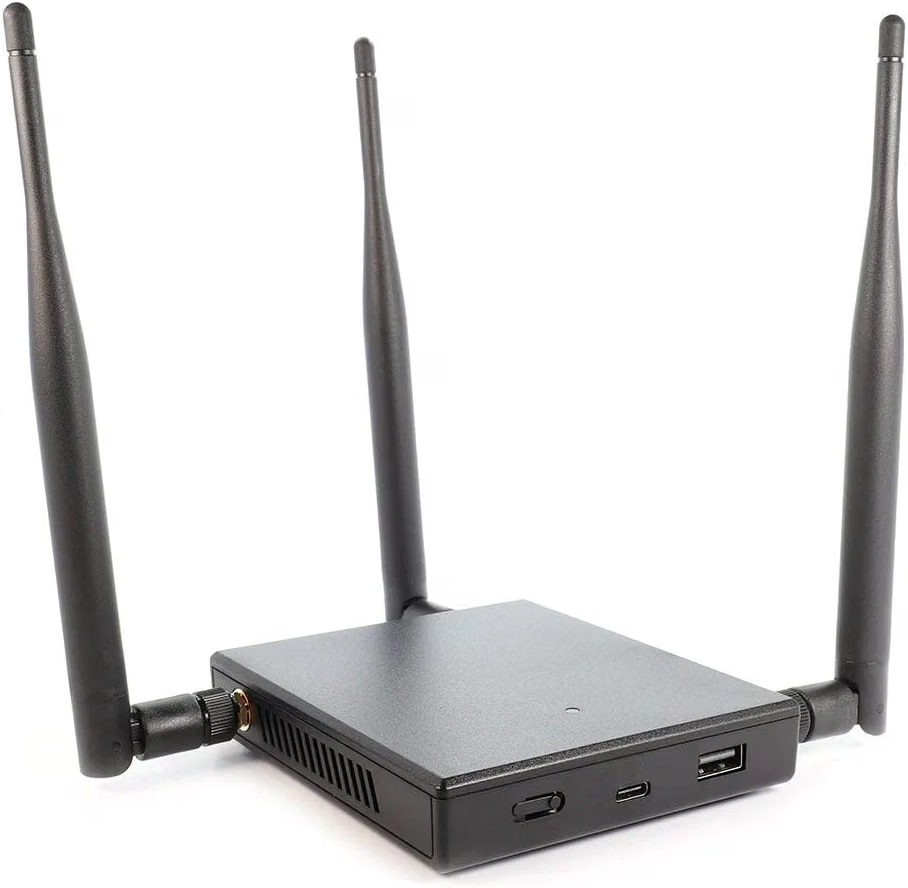
See public Wi-Fi’s hidden dangers before they see you.
Public Wi-Fi networks often act as digital bait shops, luring users into traps. The Hak5 WiFi Pineapple Mark VII is a professional Wi-Fi penetration testing platform designed for wireless auditing. Equipped with multiple 2.4 GHz 802.11 b/g/n radios, 256 MB RAM, and 2 GB eMMC storage, this hardware functions like specialized reconnaissance for network security research.
This platform pivots into a powerful defensive tool for authorized users. Its PineAP suite detects rogue access points, actively flagging “evil twin” networks mimicking legitimate Wi-Fi. At a bustling airport, scan for suspicious connections, identifying any imposter acting as a digital trapdoor. Understanding this provides critical advantage, letting you spot threats before they strike.
15. Fingbox Network Monitoring Device
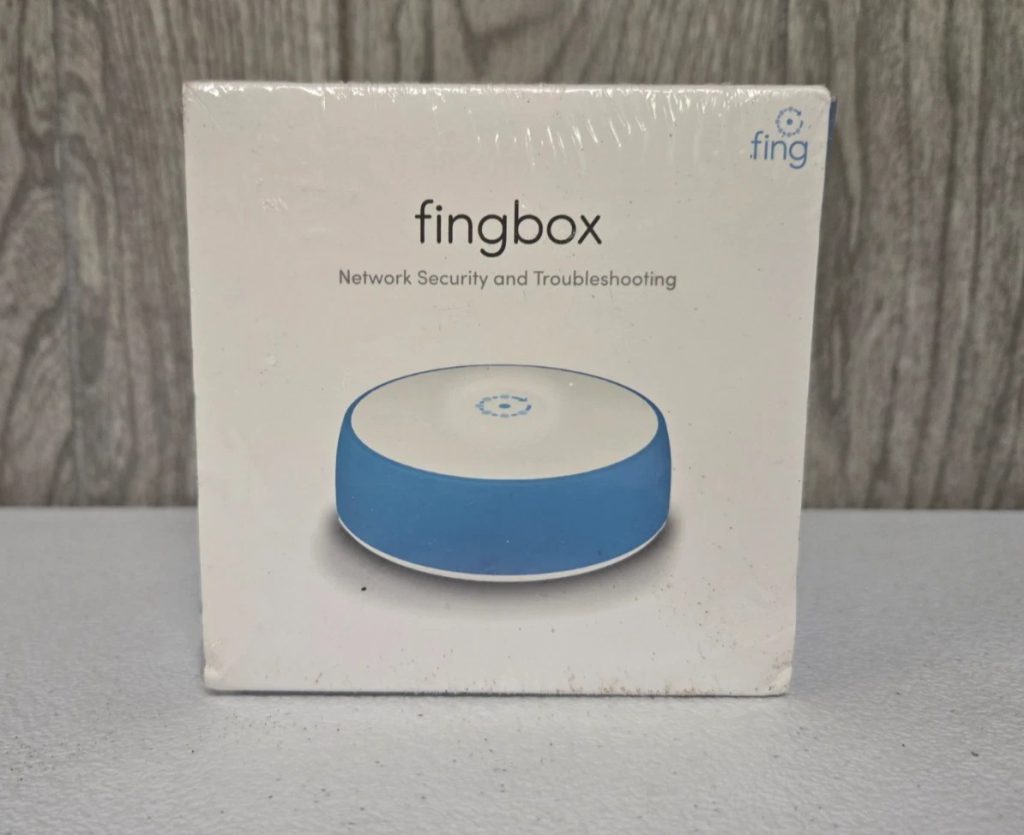
Know who’s on your Wi-Fi before they start streaming on your dime.
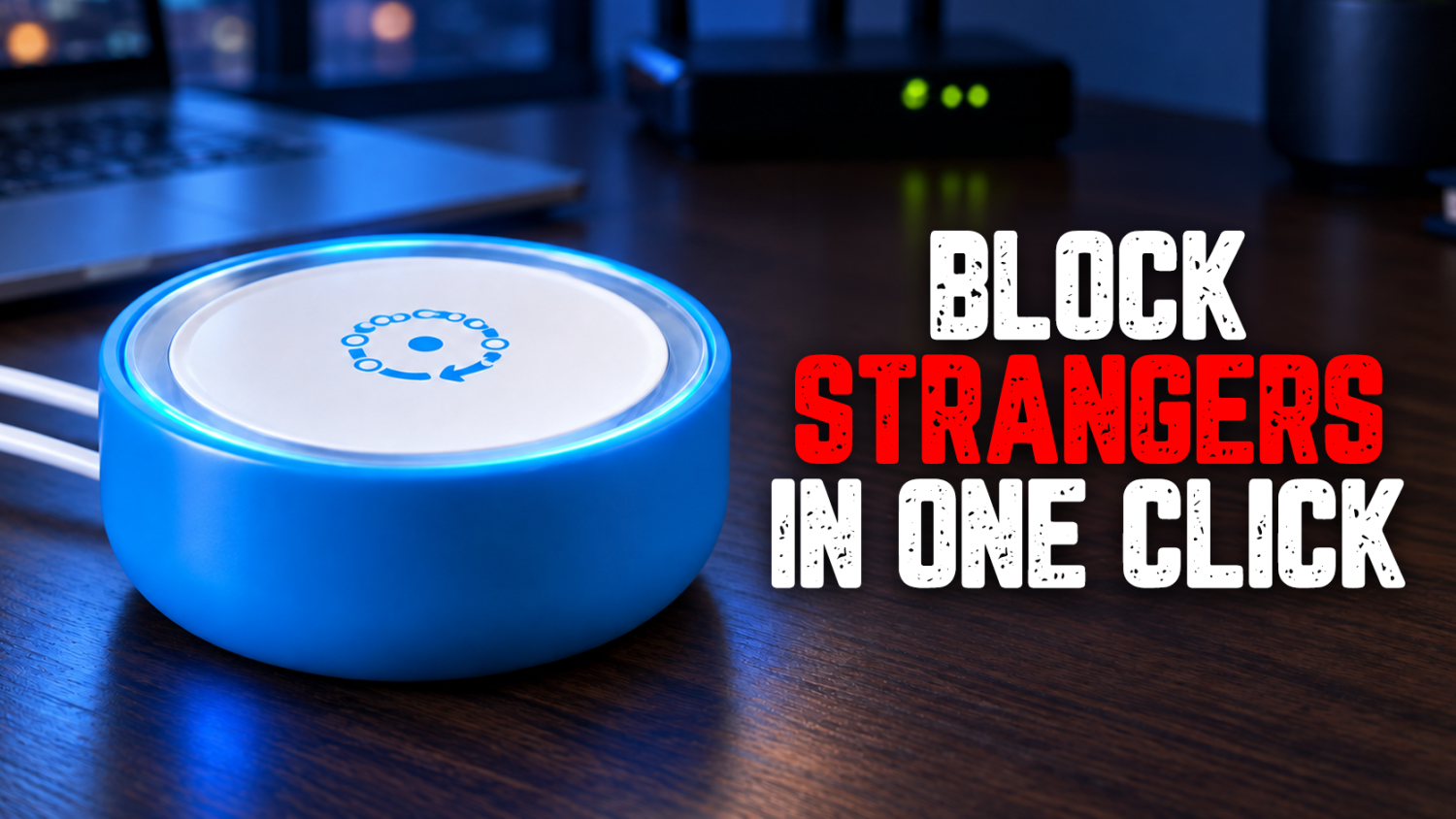
That late-night notification hits: a strange device just connected to your home Wi-Fi. Fingbox acts like a digital bouncer for your network, constantly monitoring who’s trying to get past the velvet rope. This hockey-puck-shaped device runs a Linux OS on an ARM processor with Gigabit Ethernet, providing 24/7 device discovery. It measures roughly 10.5 × 10.5 × 3.5 cm and weighs about 104 g.
Fingbox offers real-time alerts for new devices, letting you identify every connected gadget and block it with a single click. While not a firewall, it uses smart techniques to logically manage network traffic, giving you control over bandwidth. Stories of neighbors streaming Netflix on someone else’s connection for months are common; Fingbox provides peace of mind knowing you won’t be next.
14. Mission Darkness Faraday Bags
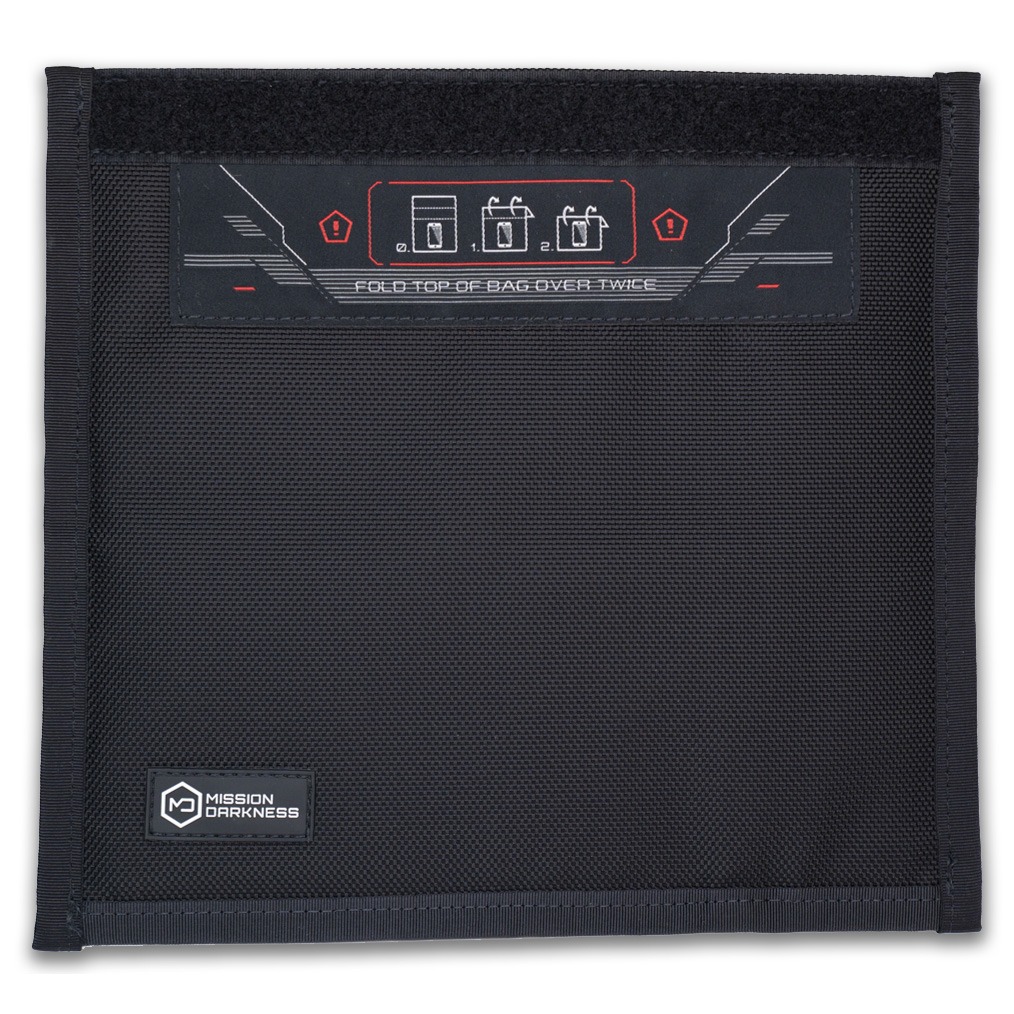
Wireless signals meet their match with over 60 dB of attenuation.
Wireless signals—from Wi-Fi to 5G—are effectively blocked when devices are sealed inside Mission Darkness Faraday Bags. These pouches, crafted with multiple layers of TitanRF Faraday Fabric, stop Wi-Fi (2.4/5 GHz), Bluetooth, cellular, GPS, RFID, and NFC signals up to 40 GHz. Independent tests to military standards confirm this capability, offering critical defense against digital intrusion.
Law enforcement relies on them to preserve evidence, preventing remote wipes or tracking of seized phones. Keyfob bags measure 5 × 3.25 inches; phone-size options offer 5.5″ × 9″ internal space. When apps just know your location, these bags deliver immediate digital blackout. The ability to disappear from the network on demand is crucial in an era of pervasive tracking.
13. PortaPow USB Data Blocker
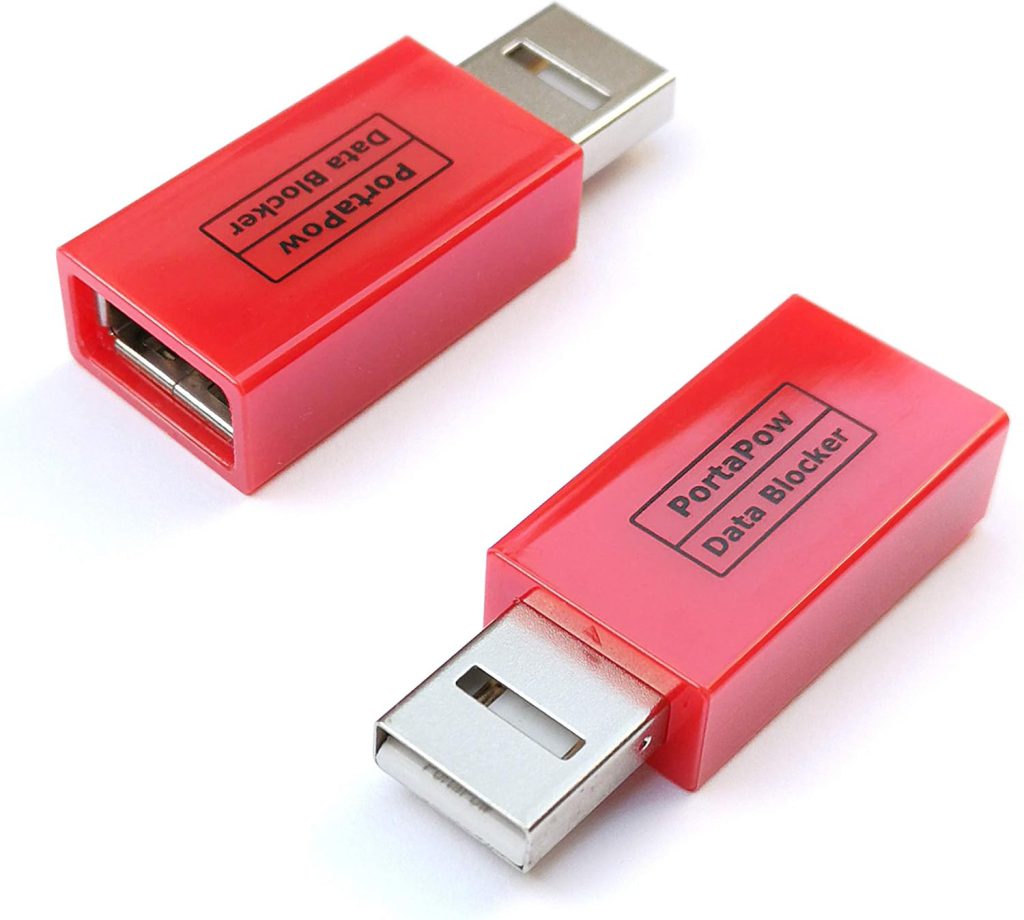
Charge your phone without fear of juice-jacking attacks.
Compromised public USB ports can allow data theft or malware installation. The PortaPow USB Data Blocker provides a direct solution. This compact inline USB adapter physically severs the two data lines—D+ and D-—from the connection.
It permits only power through. Its SmartCharge chip provides up to approximately 2.4 A, ensuring devices charge efficiently. At any public charging station, like an airport terminal, confidently plug in your phone. This blocker supports most 5V USB electronics, offering critical, low-tech defense against digital threats.
12. RFID-Blocking Wallet
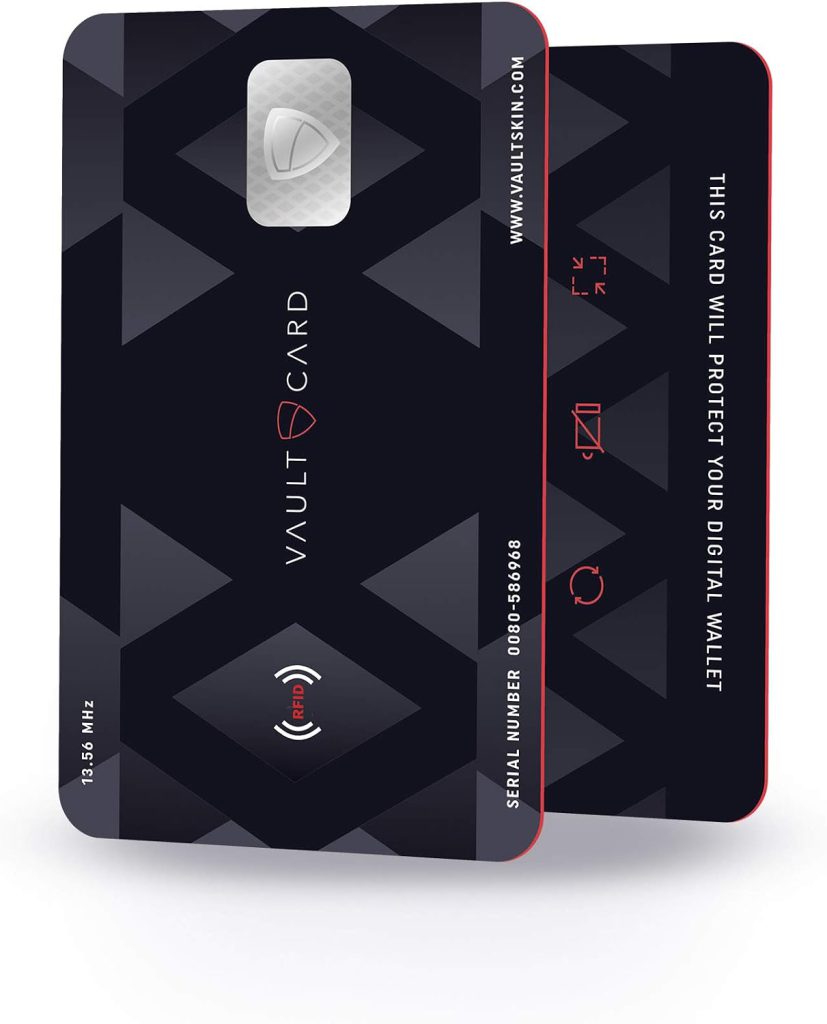
Your card data stays locked down, even in crowded terminals.
Credit cards containing RFID chips can transmit data wirelessly, making them scannable without leaving your pocket. An RFID-blocking wallet solves this by acting like a tiny, personal invisibility cloak for financial data. These wallets incorporate a conductive layer—such as aluminum foil or metallic alloy—which forms a Faraday cage-like structure.
This shield absorbs or reflects electromagnetic fields used by scanners, effectively blocking frequencies around 13.56 MHz. While real-world skimming of payment cards remains rare, the peace of mind is tangible. Navigating busy airport terminals with bags crammed and attention divided, you want to swipe your card, not have your identity become someone’s digital side hustle. This small barrier prevents unauthorized reads. With contactless payments becoming standard for everything from coffee to concert tickets, this basic accessory protects your financial identity.
11. IronKey D300 Encrypted USB Flash Drive
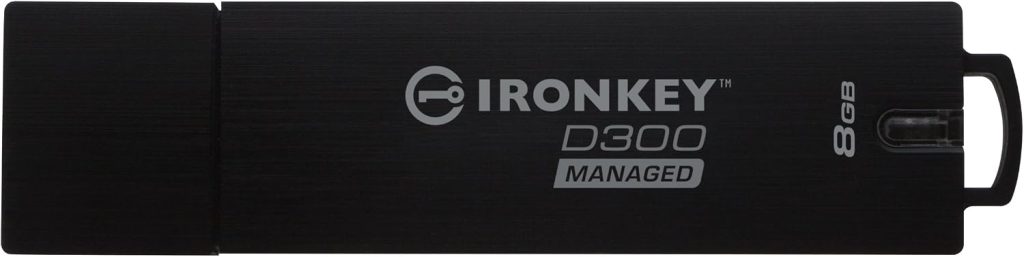
Security levels usually reserved for national intelligence in your pocket.
The IronKey D300 encrypted USB flash drive offers security levels typically reserved for government agencies. It’s certified to FIPS 140-2 Level 3 and holds NATO Restricted Level approval. Beneath its rugged zinc metal casing, data locks down with 256-bit AES-XTS hardware encryption.
This digital vault is waterproof to about 1.2 meters with its IPX8 rating. Shuttling sensitive corporate data becomes less stressful with capacities from 4 GB to 128 GB. They move files efficiently, reaching up to 250 MB/s read and 85 MB/s write. Should the drive fall into the wrong hands, a few incorrect password attempts trigger a self-destruct sequence, obliterating encryption keys. For remote teams, a lost drive becomes digitally worthless.
10. Signal-Blocking Pouch for Car Key Fobs
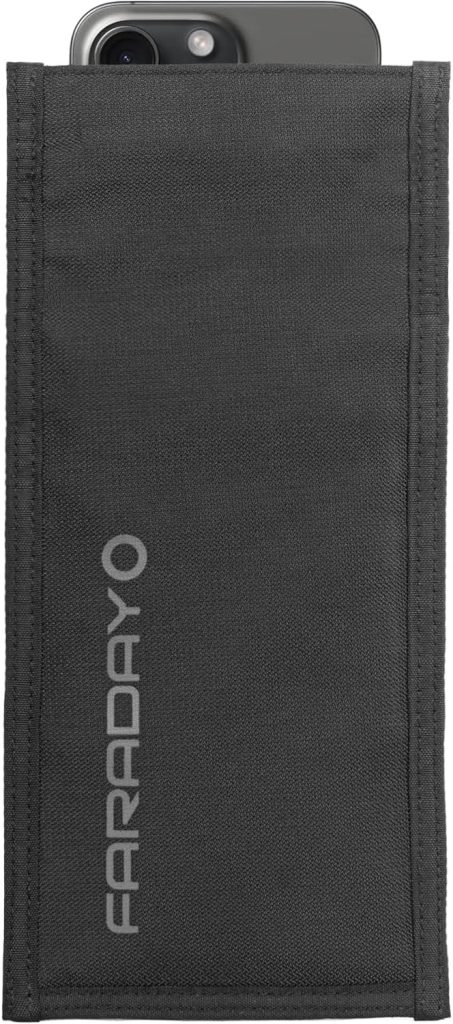
Make your fob digitally invisible with >80–90 dB attenuation.
Relay attacks on keyless entry vehicles are a growing problem, allowing thieves to bypass standard security. This method uses signal boosters to capture your car key fob’s signal from inside your home, relaying it to your vehicle. The car is tricked into unlocking and starting. A signal-blocking pouch offers straightforward countermeasure, creating a miniature Faraday cage with multiple layers of specialized RF-shielding fabric.
This pouch effectively blocks Wi-Fi, Bluetooth, cellular (including 5G), GPS, RFID/NFC, and low-MHz automotive key signals. It boasts attenuation of greater than 80–90 dB for frequencies up to approximately 40 GHz, making your fob digitally invisible. Measuring around 4.5–5.3 in × 3–3.9 in, it fits most fobs. Tuck your key inside when you park, and no opportunist with an antenna can pull a quick-theft move on your driveway.
9. K18 Hidden Camera Detector
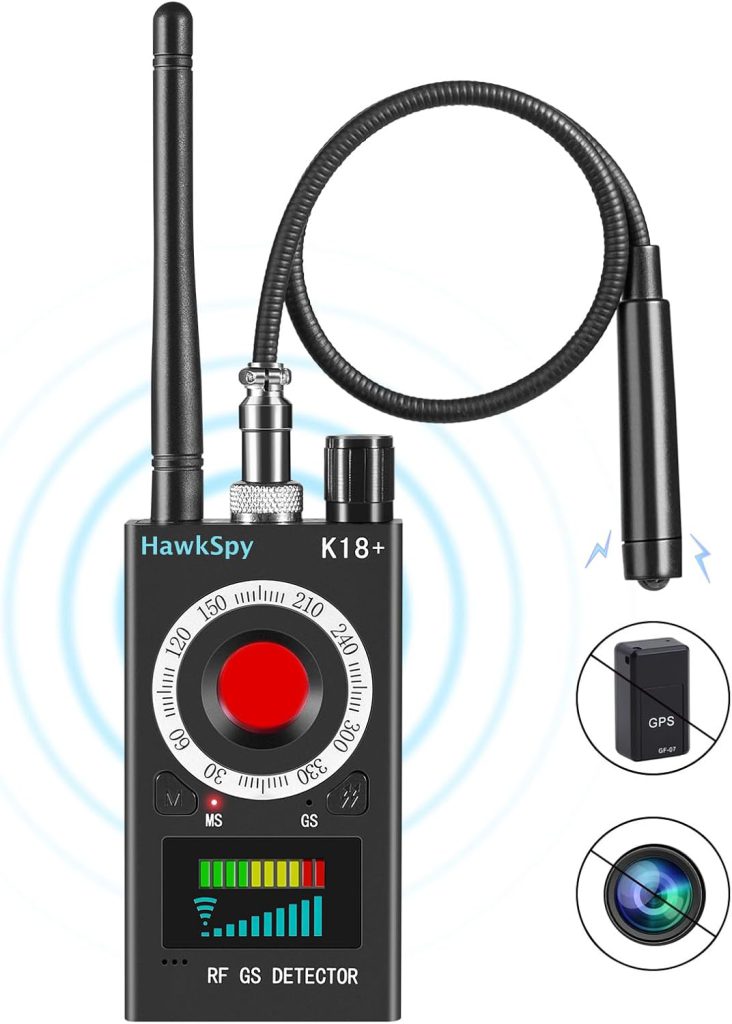
Sweep rental rooms like checking the smoke detector, ensuring no unwanted eyes.
Reports of illicit surveillance in rental accommodations are no longer speculative; they’re a modern travel concern. The K18 Hidden Camera Detector provides practical defense, scanning rooms for both hidden lenses and wireless camera signals. This handheld device utilizes light reflection to spot tiny, concealed camera optics, while simultaneously employing frequency detection to locate active transmissions.
Sweep an Airbnb or hotel room before settling in. This infrared scanning capability makes even minuscule lenses stand out, offering tangible reassurance. Given actual cases of hidden cameras exposed in listings, making this a regular habit grants critical control over personal privacy.
8. Microphone Blocker
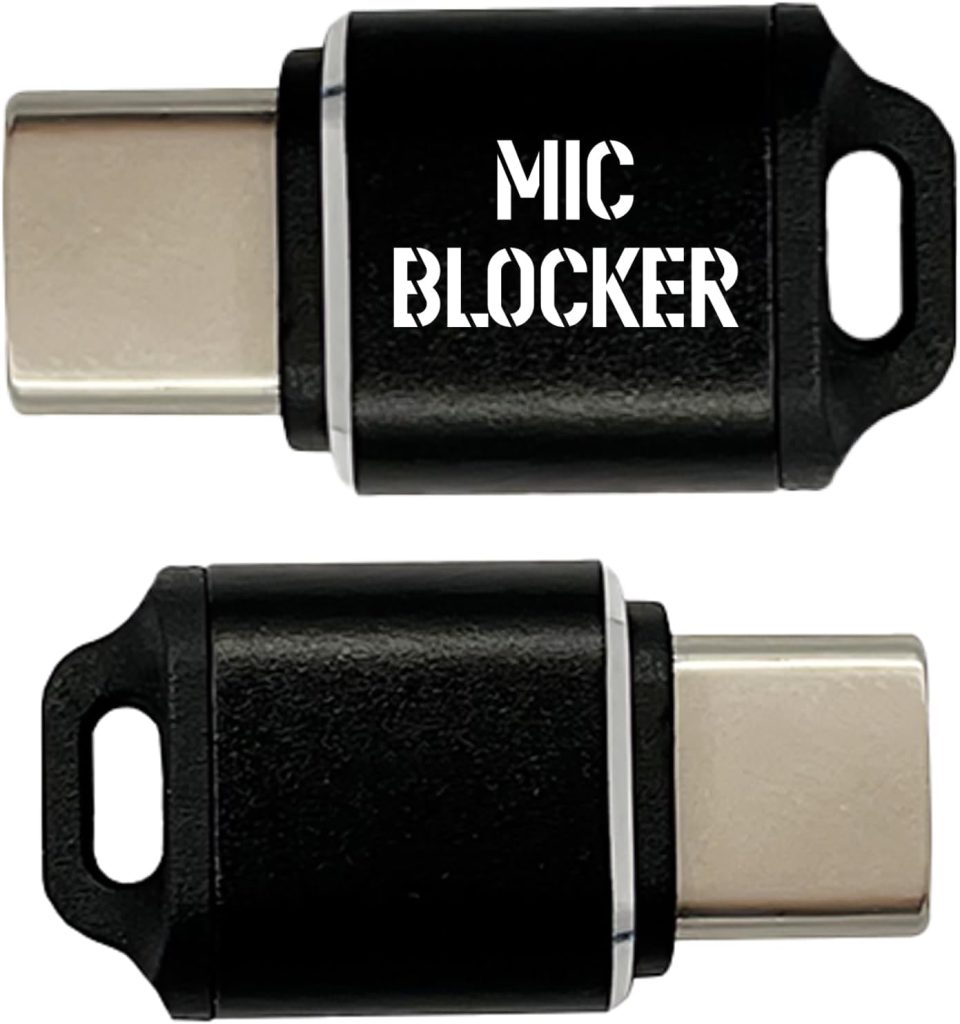
A physical barrier software simply cannot bypass.
The digital age constantly raises valid concerns about unauthorized audio monitoring. Always-on devices become potential eavesdroppers. A microphone blocker acts as a low-tech solution. This tiny plug inserts directly into your device’s microphone port.
It creates a genuine physical barrier. Software simply cannot bypass it. Confidently silence your smart speaker or laptop so it won’t record conversations in standby. With AI assistants dominating our lives, constantly awaiting their cue, a physical “off switch” for your microphone provides essential digital peace of mind.
7. Sliding Webcam Covers
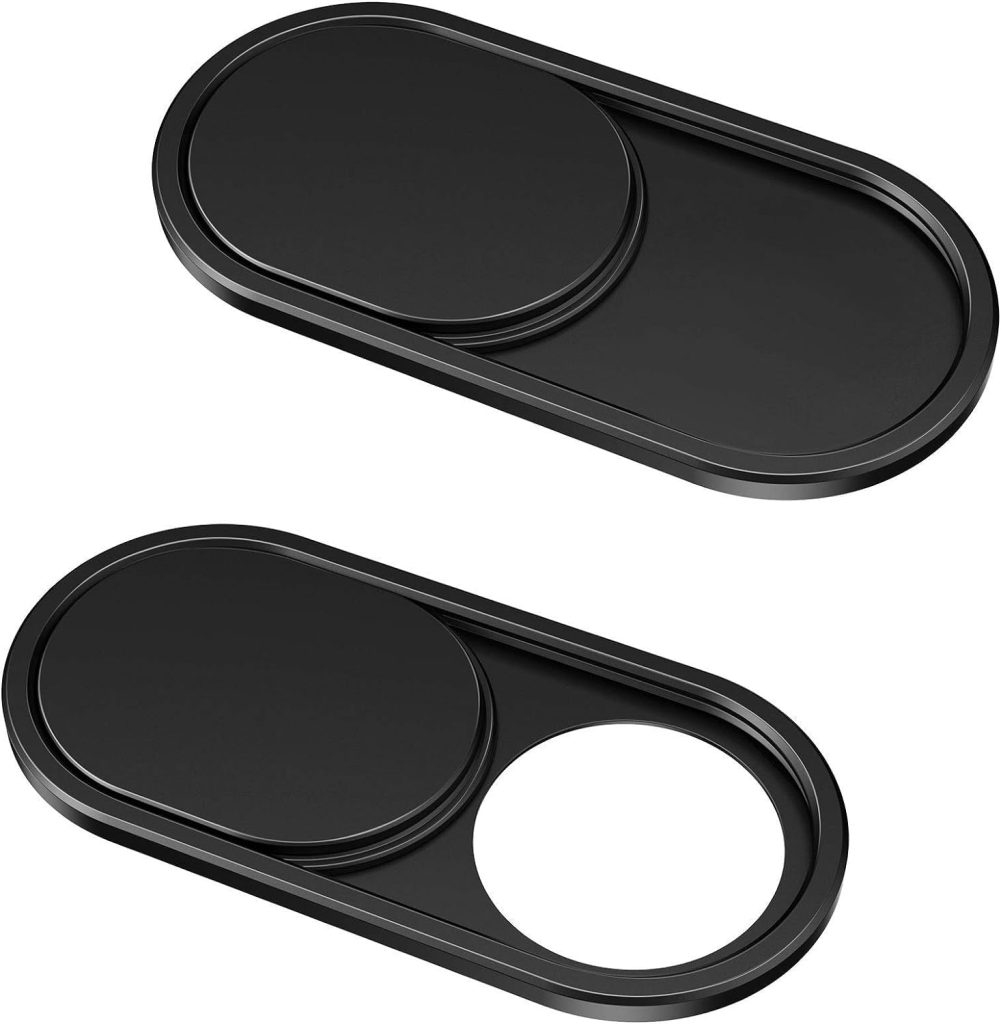
Pull the digital curtain on your workspace with a simple slide.
Malware capable of secretly activating webcams without the indicator light has existed for years, leaving users exposed. This isn’t some dystopian plot; it’s a genuine threat. Sliding webcam covers provide simple physical solution, blocking the camera lens and bypassing software vulnerabilities entirely.
For remote workers, ensuring privacy during video calls becomes effortless; simply slide the mechanism closed. This inexpensive solution provides peace of mind, protecting against threats that software alone cannot always mitigate. Sometimes, the most basic security measure remains the most effective.
6. Privacy Screen Filter
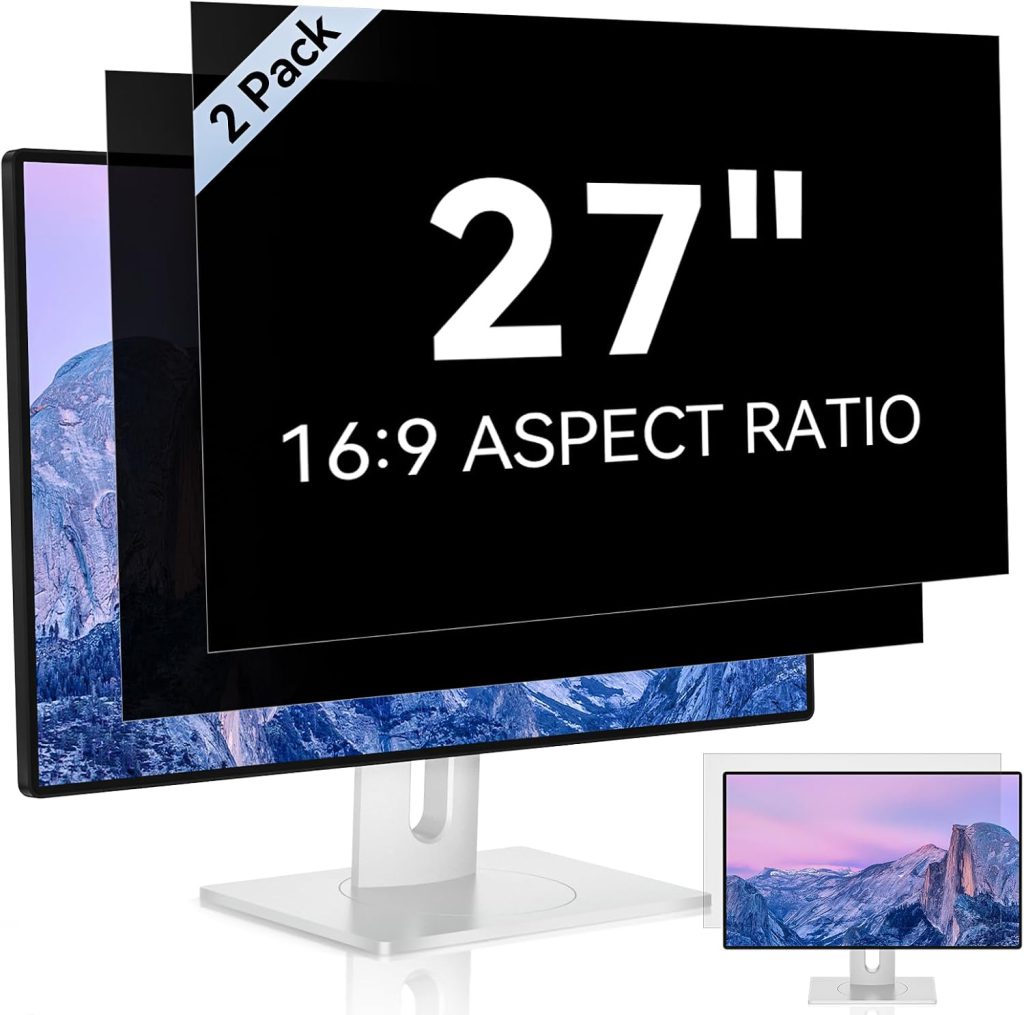
Digital force field around your screen, thwarting casual shoulder surfing.
A privacy screen filter acts like a horizontal blind at the pixel level. This thin film or rigid panel uses micro-louver technology, restricting your monitor or laptop’s viewing angles. Displays appear clear straight on, but anyone glancing from the side finds the screen dark and obscured.
This instantly reduces readability, thwarting casual “shoulder surfing.” Organizations with strict data-protection policies often mandate privacy filters for staff in public spaces. For remote workers using public Wi-Fi, this passive yet effective visual privacy is essential. Handle confidential documents without the nagging feeling of being watched.
5. YubiKey 5C Hardware Security Key
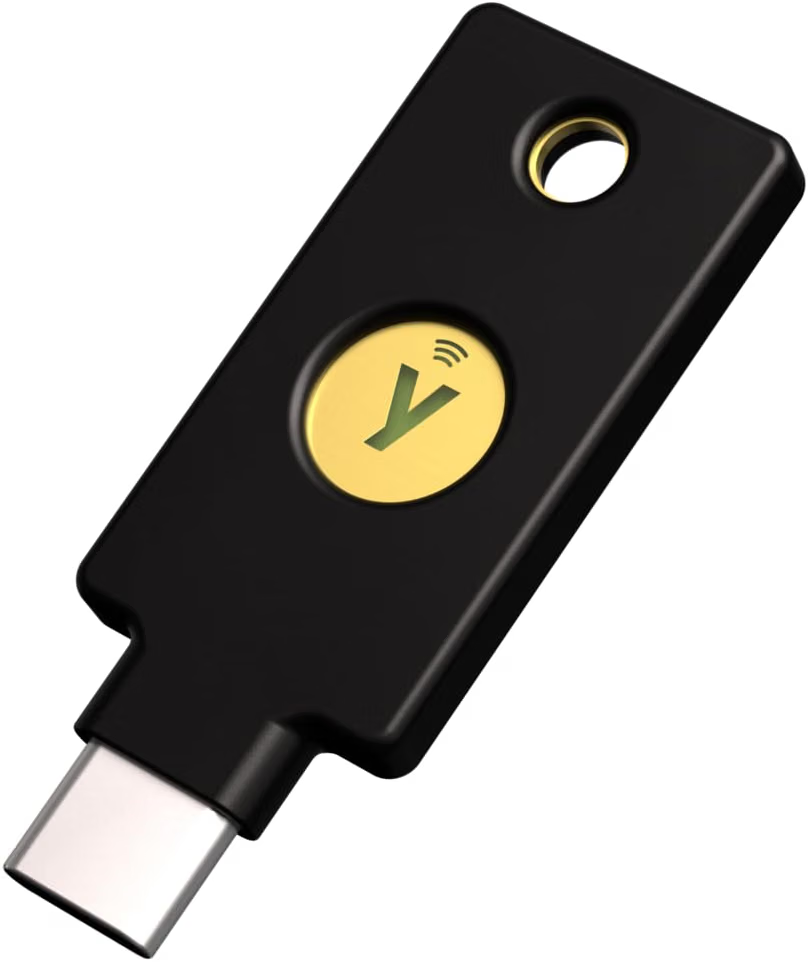
Physical possession plus a touch; hackers are stopped cold without the key.
A password alone offers minimal protection, and hackers have gotten very good at impersonating users. The YubiKey 5C, a small USB-C physical key, changes that game by providing phishing-resistant multi-factor authentication. This driverless device supports FIDO2/WebAuthn and U2F protocols, requiring physical possession and a touch for access.
Even if a hacker snags your password, they’re stopped cold without the key, making credential theft and SIM-swap attacks largely ineffective. Major platforms, including Google and Microsoft, recognize these keys instantly. This physical security measure defends against sophisticated attacks that often bypass less secure methods like SMS codes. Tech giants deploy this exact technology internally, significantly cutting identity-related breaches.
4. OnlyKey Hardware Password Manager
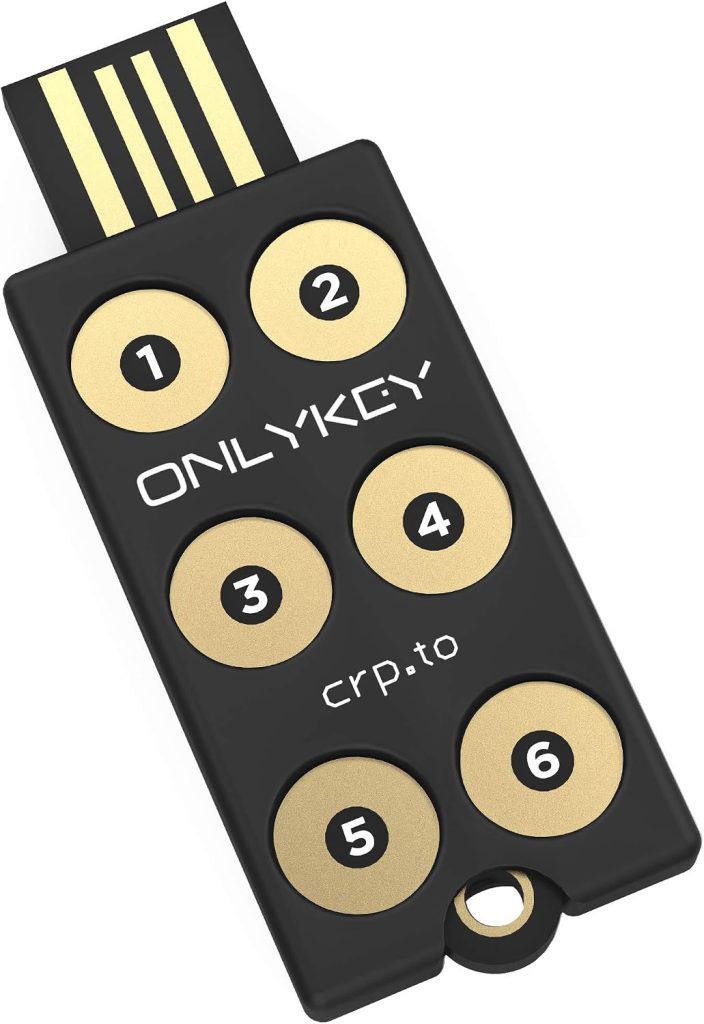
Your critical credentials remain disconnected from cloud vulnerabilities.
Managing unique passwords across countless services feels like a full-time job. Relying on cloud solutions often consolidates all your vulnerabilities. OnlyKey hardware password manager tackles this directly. This physical device stores passwords, PINs, and cryptographic keys on its hardware, ensuring critical credentials remain disconnected from the cloud.
It’s a fortress against centralized data breaches that routinely make headlines. When a major cloud service falls victim to a hack, sensitive accounts secured by OnlyKey remain untouched. The device supports multi-factor authentication and SSH/OpenPGP-style key storage, adding robust security while avoiding inherent cloud risks. Moving critical credentials offline is one of the smartest privacy decisions in today’s digital landscape.
3. Tails OS Live USB
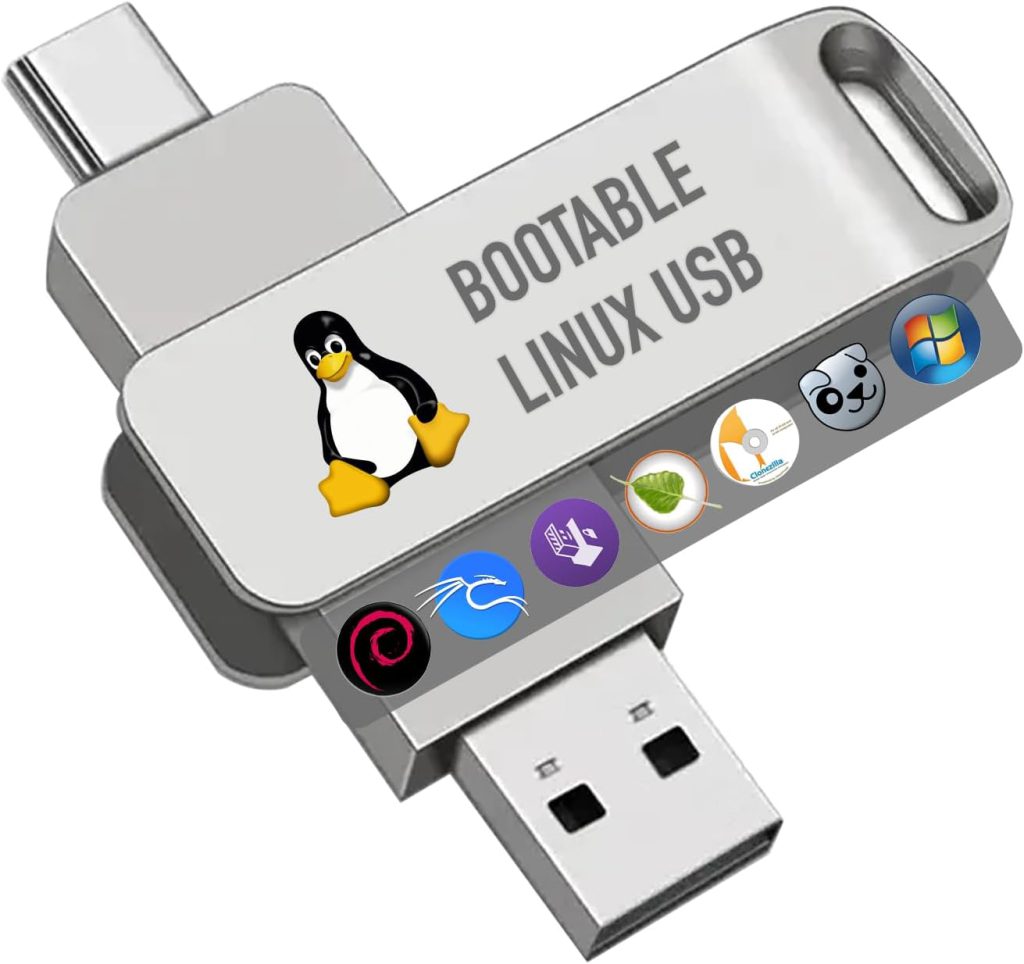
Your private computing session simply vanishes, leaving no breadcrumbs behind.
Tails, or The Amnesic Incognito Live System, is a Linux distribution engineered for privacy, running entirely from a USB stick. This system funnels all internet traffic through the Tor anonymity network, making online activities untraceable. It’s built to leave minimal traces; no data writes to the host computer’s internal disks, and RAM wipes clean upon shutdown.
When stuck needing to conduct sensitive activities on an untrusted computer, this OS provides a secure, temporary environment. Upon USB removal, your private computing session simply vanishes, leaving no digital trail behind.
2. Nitrokey Encrypted Storage
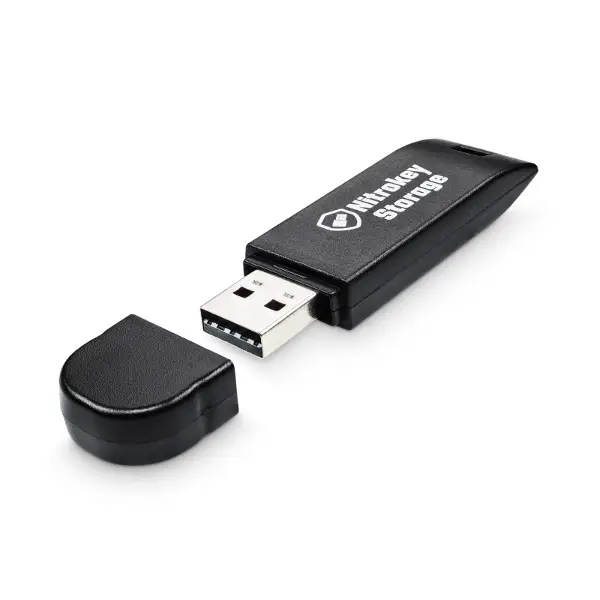
Physical barrier against theft; your private keys never leave the hardware token.
Private keys—the ultimate digital secret—remain locked down with Nitrokey, never leaving the hardware token itself. This isn’t a software trick; it’s a physical barrier against theft. The device encrypts emails and files using robust methods like OpenPGP, meaning sensitive data gets an escort only the intended recipient can decode.
Reliance on open-source firmware and hardware designs ensures transparency, allowing security experts to verify integrity. Send an email where only the recipient holds the decryption key. This system effectively combats data interception, keeping highly sensitive digital communications private.
1. Biometric Fingerprint Padlock
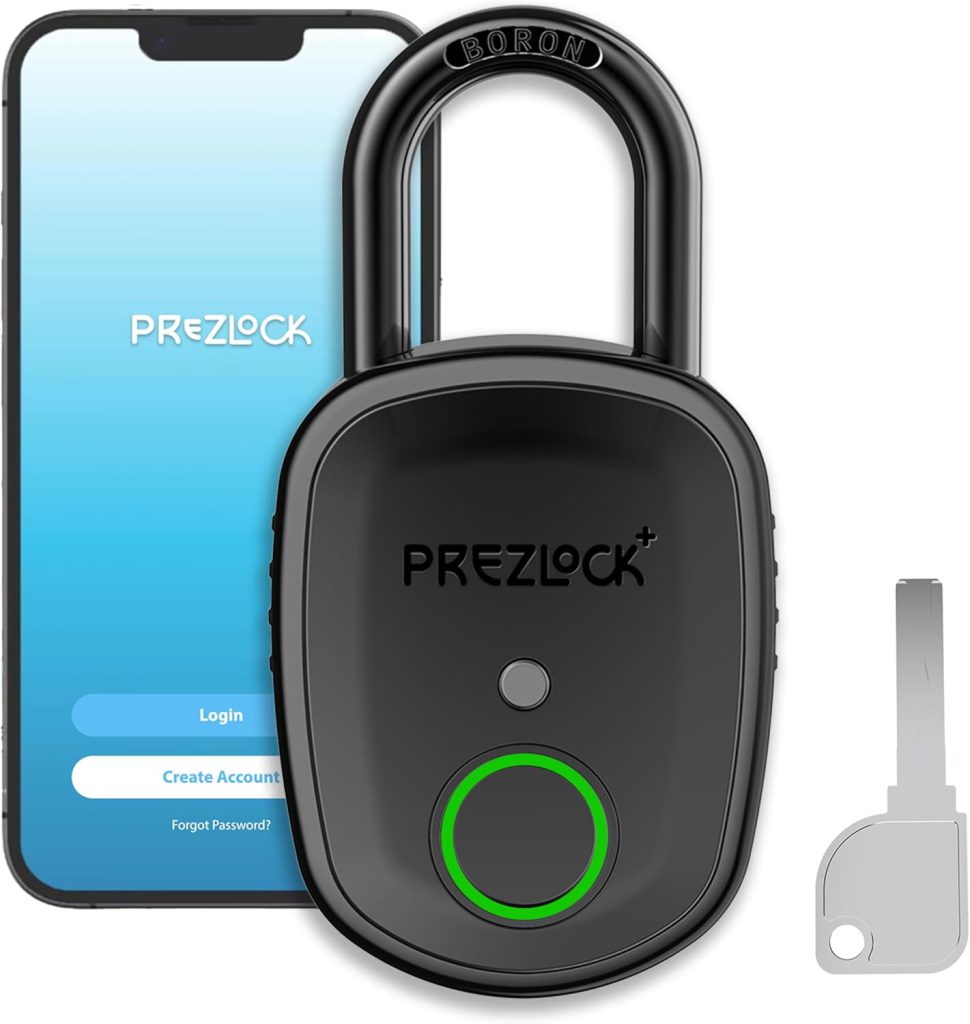
VIP pass for your belongings; unlock in less than a second.
Traditional padlocks require tiny keys that always seem to vanish or cumbersome codes you inevitably forget. Biometric fingerprint padlocks offer instant access without the analog fuss. These smart locks unlock in less than a second with just your registered print. Many models can store multiple fingerprints, typically 10–20, which means granting temporary access to a trusted friend for a gym locker or family member picking up a bag.
Beyond convenience, these locks provide robust security. Electronics are housed in weather-resistant bodies, complete with steel shackles designed to deter tampering. If the battery runs out, a USB-based emergency power option means you won’t be locked out of your gear. While traditional locks are easily compromised, the unique security of your fingerprint makes these biometric options highly effective physical safeguards for personal items and travel luggage.