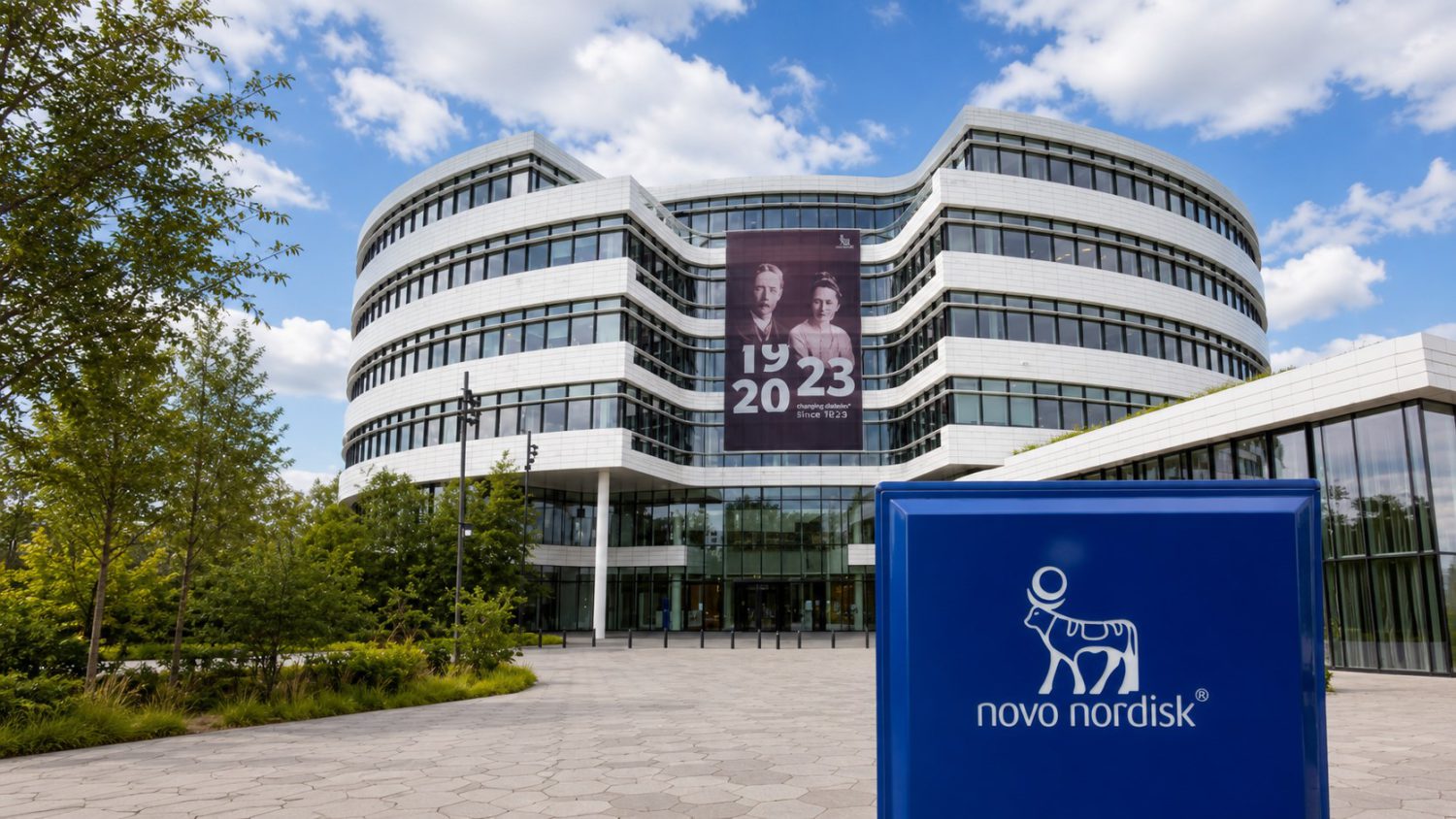
Danish drugmaker Novo Nordisk is accelerating its AI overhaul, striking a second major partnership in five months, this time with Anthropic, to deploy Claude models and Claude Science across drug-discovery and software-development workflows. Announced September 16, 2026, the deal signals a deliberate push to reshape how the company discovers and develops medicines beyond its blockbuster Ozempic and Wegovy franchise.
What the Collaboration Actually Covers
The partnership puts Anthropic’s Claude models directly inside Novo’s scientific and engineering operations, from early-stage research through software development.
According to Novo Nordisk’s official announcement, the two companies will jointly address drug-discovery challenges identified by Novo’s scientists and computational teams. The work includes building targeted solutions for specific scientific workflows and supporting biological reasoning across R&D.
Claude Science is Anthropic’s research-focused model variant, designed to assist with scientific reasoning tasks such as literature synthesis and hypothesis evaluation. Initially, it will be tested on selected workflows where Novo and Anthropic believe their combined capabilities will have the greatest impact, according to the announcement. The companies described this as early-stage deployment, not a confirmed outcome.
Anthropic’s frontier models will also support AI-driven software development at Novo. The company framed that engineering work as a critical scaling enabler: the mechanism by which AI tools spread across the broader organization.
The collaboration includes data governance protocols and human oversight measures aligned with Novo’s ethical and compliance standards, according to the announcement. Those guardrails matter in pharmaceutical R&D, where regulatory validation requirements place strict limits on how automated systems can be used in research and decision-making.
The Bigger Strategic Picture
The Anthropic deal is the latest move in Novo’s broader campaign to position itself as an AI-first pharmaceutical company, not just the maker of the world’s most recognized weight-loss drugs.
This partnership does not exist in isolation. Reuters reported that Novo announced an earlier deal with OpenAI in April 2026, covering AI deployment across drug discovery, manufacturing, supply chains, and commercial operations. Full integration planned by end of 2026, according to Reuters.
Reuters also frames the Anthropic collaboration as part of Novo’s push to stay competitive in the high-stakes obesity-drug market, not solely as a scientific innovation story. The competitive pressure is real: GLP-1 rivals are moving quickly, and the company is betting that faster, AI-assisted research could sustain its lead.
Novo has stated its ambition to become “the world’s most AI-driven healthcare company” and said AI could uncover “completely new scientific opportunities” in understanding human biology and drug mechanisms. Those remain company-stated goals, not confirmed results. No transaction value was disclosed for either the Anthropic or OpenAI partnerships.
“AI’s increasing capability brings with it the potential to compress a century’s worth of biological and medical breakthroughs into a decade.” Dario Amodei, CEO, Anthropic
What to Watch
The real test is whether AI tools can improve the science itself, not just the workflows surrounding it.
The central question is whether AI can meaningfully improve hypothesis generation and target selection in pharmaceutical research without compromising the validation standards and regulatory compliance that drug development requires. That distinction, between accelerating internal processes and producing better scientific outcomes, is what the industry will be watching.
Both partnerships are still early. Whether Claude Science and OpenAI’s tools deliver measurable R&D efficiency gains, rather than streamlined back-office operations, will determine how seriously the rest of the pharma industry follows Novo’s lead.