Building a data center the traditional way takes years. Permits, construction crews, grid interconnection approvals, and a power plant that may or may not materialize on schedule all extend the timeline, and AI’s appetite for compute is not patient.
Crusoe raised $3.9 billion at a $30.9 billion valuation on September 17. The company is betting that factory-built, truck-portable AI data centers can short-circuit that timeline for at least one critical category of AI workload.
Training Needs a Campus. Inference Needs Speed and Reach.
The distinction between training and inference is not academic; it drives two fundamentally different facility designs.
Training a frontier AI model requires a facility the size of a small power district. Running that model afterward, answering millions of queries per day, does not.
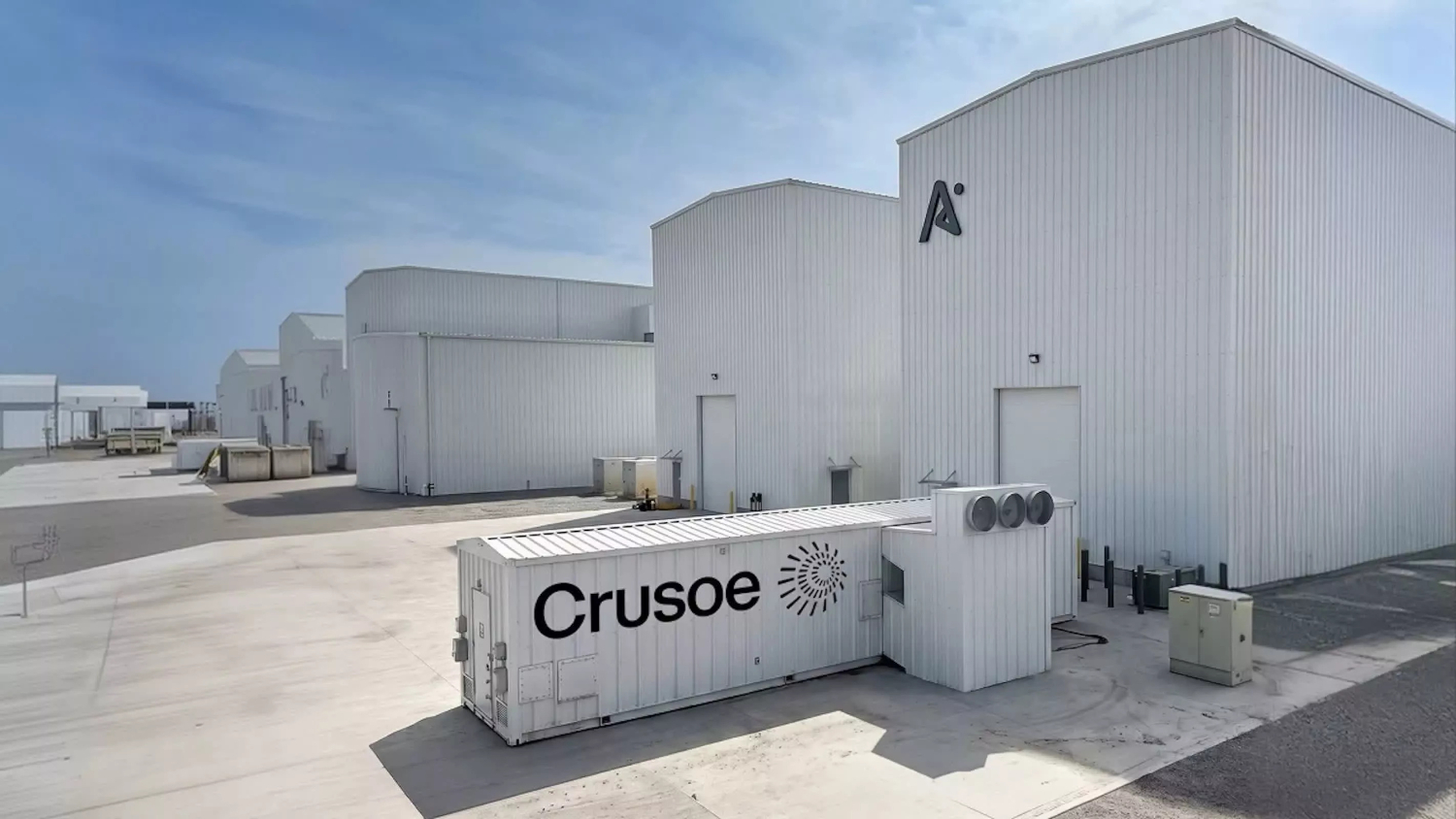
That distinction shapes Crusoe’s two-track strategy. Massive, centralized campuses handle training; smaller, rapidly deployable Spark units handle inference, where latency and proximity to users matter more than raw cluster size.
a turnkey, prefabricated modular AI factory designed to bring powerful, low-latency compute to the network’s edge.
Crusoe, describing its Spark product
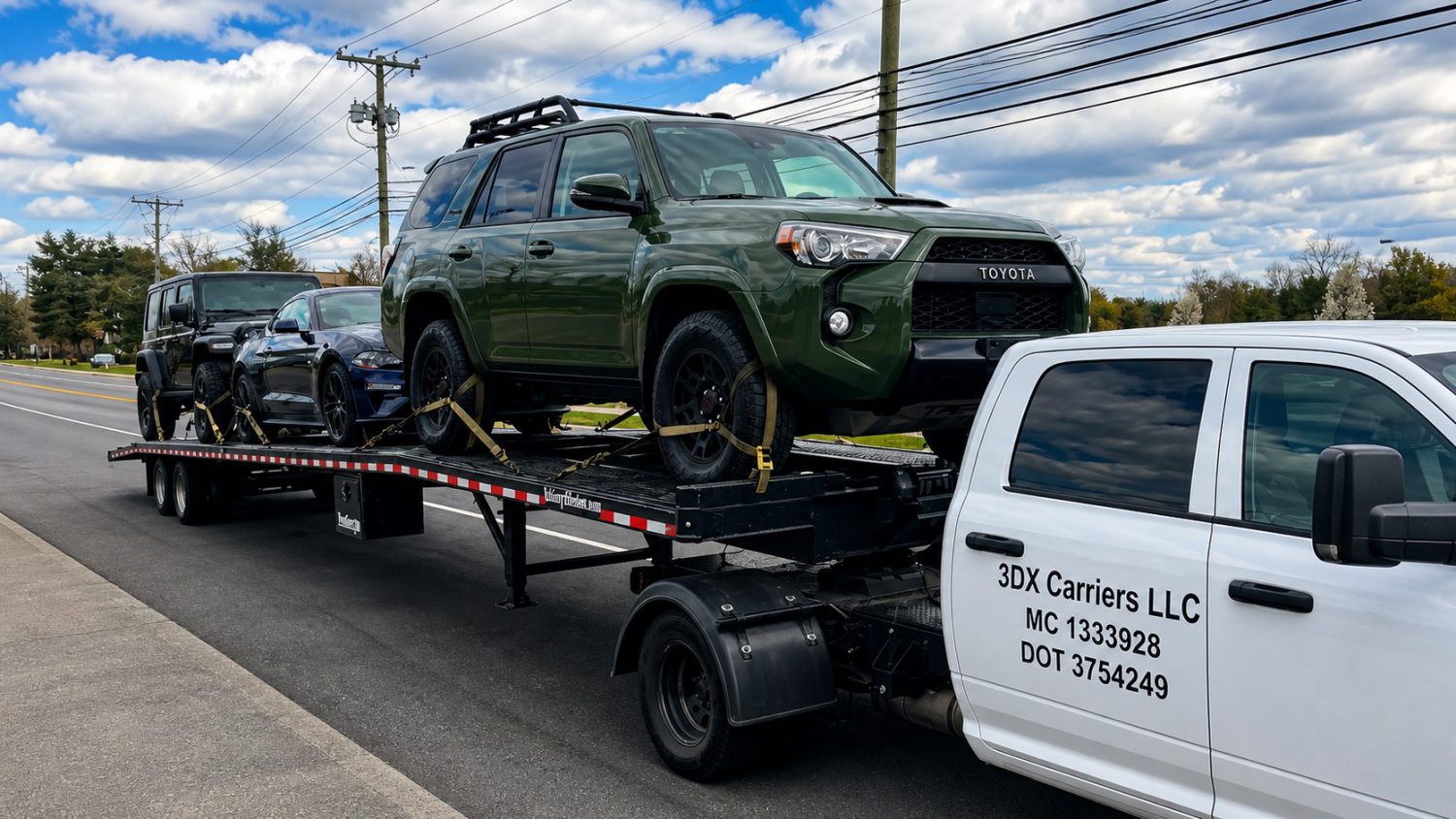
Each unit ships fully integrated: power management, cooling, fire suppression, high-density GPU racks, and remote monitoring arrive together on a truck.
A dedicated Spark Factory outside Denver is targeting production capacity of up to one gigawatt per year. That output target gives Crusoe a repeatable pipeline rather than a bespoke construction project for each new customer.
The Reno, Nevada deployment offers the clearest window into how this works in practice. Those Spark units run on solar power and repurposed electric-vehicle batteries, a configuration that works precisely because the modular format can plug into non-standard or stranded power sources.
Crusoe’s Abilene, Texas campus represents the other side of the ledger. Originally developed for Oracle and used by OpenAI, the site now counts Microsoft as a major tenant after the company signed for 900 megawatts of capacity, including two new buildings and an on-site power plant. Total planned capacity at Abilene is 2.1 gigawatts. That scale is not in competition with Spark; it exists because some workloads simply cannot be distributed.
Selling Space, GPUs, and Tokens
Crusoe’s three-layer revenue model connects physical infrastructure to the AI compute market at every level of the stack.
Crusoe’s revenue model runs across three layers: leasing physical data-center space to customers who bring their own hardware, renting Crusoe’s own GPU capacity, and selling inference compute measured in tokens. CEO Chase Lochmiller, according to secondary reporting, summarizes the business as selling “data centers, GPUs and tokens.”
The inference layer is moving fast. Managed inference, which Crusoe runs on behalf of customers through its cloud platform, has already crossed $100 million in contracted annual recurring revenue, growing from negligible numbers at the start of 2026.
Operating across all three layers has generated some internal friction. According to TechCrunch, some board members have argued for a narrower strategic focus. Lochmiller maintains that vertical integration gives Crusoe clearer visibility into where customer demand is heading.
That debate remains unresolved, but the investor base, which includes Nvidia, Founders Fund, Mubadala Capital, and the Qatar Investment Authority, has clearly voted with the broader model for now. The infrastructure footprint supporting that argument spans more than six gigawatts of contracted capacity across Texas, Missouri, and a project with Google in Armstrong County, Texas.
As AI query volumes compound, distributed modular inference capacity may follow the same trajectory CDNs took for web content: pushed closer to users, replicated across more nodes, and increasingly invisible to the applications running on top of it. Whether Crusoe captures that market or simply accelerates it for others is a question the next few years of deployment data will answer.