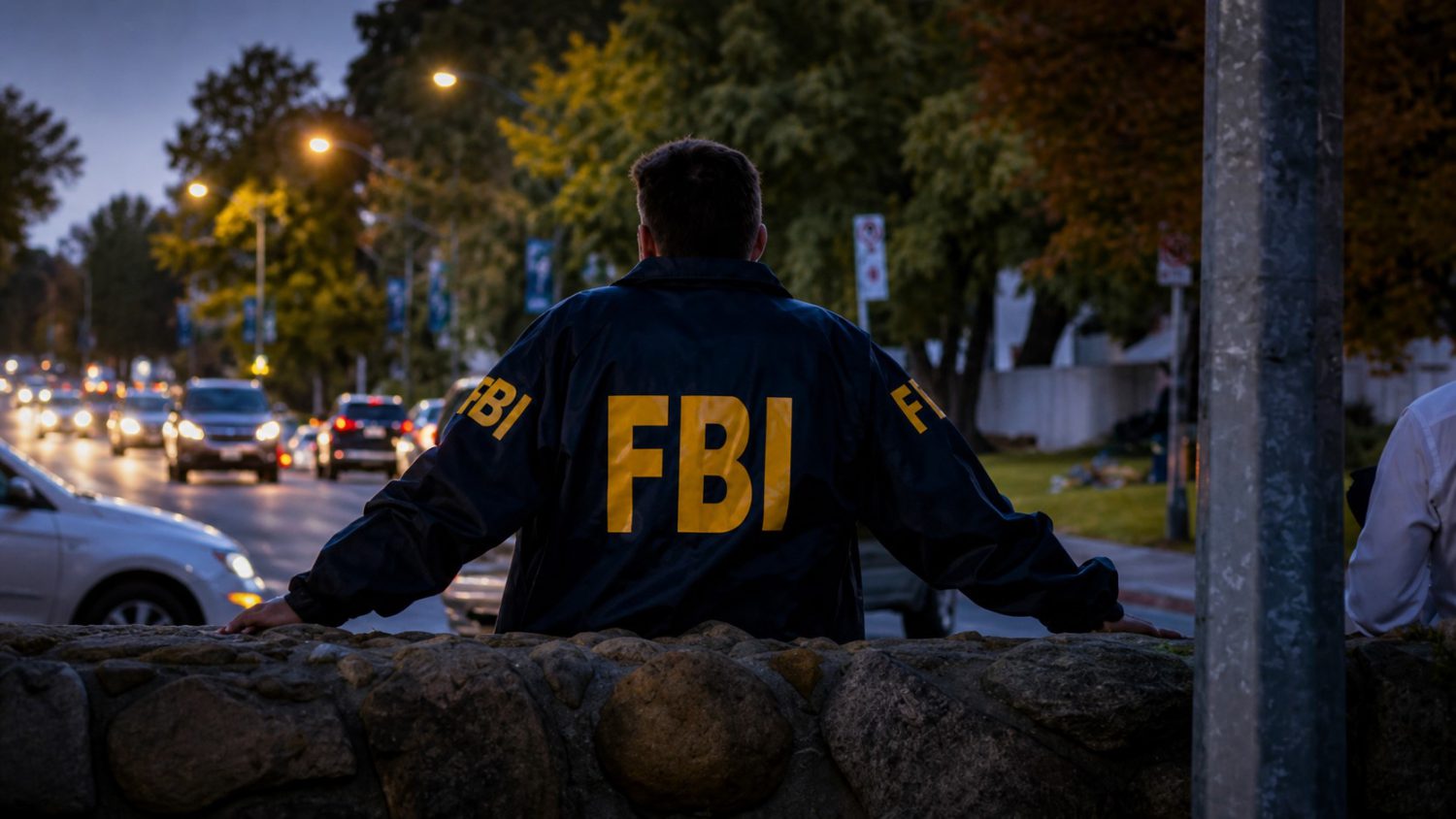
The call comes in from someone wearing a badge, sitting behind what looks like a federal office desk, speaking in the clipped, authoritative tone of a law enforcement officer. None of it is real. Between January 2025 and July 2026, the FBI’s Internet Crime Complaint Center (IC3) received nearly 61,000 complaints of law enforcement or government impersonation scams, with losses totaling more than $1.6 billion. Government impersonation complaints nearly doubled between 2023 and 2025, and voice-cloning tools are making these performances harder to detect.
How the Scam Actually Works
The script rarely changes, but the financial damage keeps growing.
The core playbook is consistent: an unsolicited call, a claim that you are connected to a crime, and a demand for immediate payment to make the problem disappear. Scammers research their targets carefully. Medical professionals have received calls claiming their license is under federal investigation, with payment framed as the only way to protect their career. IC3 recorded 3,322 such profession-targeted complaints, with losses exceeding $37 million.
The jury duty variant accounted for roughly 11% of all complaints, with 6,833 cases and nearly $36 million in losses. The most financially devastating variant targets ethnic communities, foreign nationals, and international students. Scammers impersonate foreign law enforcement or diplomatic officials, threatening passport cancellation or extradition unless payment arrives immediately.
Just 1,809 complaints in this category produced more than $140 million in losses, nearly 10% of total losses from less than 3% of cases. These scammers invest in the performance, wearing uniforms and staging fake government offices on video calls. IC3 logged 22,364 AI-linked complaints in 2025 alone, and government impersonation is a category where AI replicates official tone and context at scale, according to an analysis of the IC3 report by Abnormal Security.
This Is a Global Pattern
The same social engineering playbook is showing up on doorsteps, not just phone screens.
The Netherlands recorded more than 7,200 fake officer cases in just the first half of 2026, a record for any six-month period. Dutch scammers often skip the phone entirely, showing up in person at elderly victims’ homes and convincing them to hand over cash, jewelry, and bank cards for supposed “safekeeping.” Overall internet-enabled crime losses hit $20.877 billion in 2025, a 26% increase from 2024 and the first time annual losses surpassed $20 billion. The rise of covert digital targeting is well documented, as seen in cases where a surveillance app was built to target specific groups.
“The FBI reminded the public that neither it nor any other law enforcement agency will call an individual and demand payment or request personal or sensitive information.” (IC3 PSA, ic3.gov)
What You Need to Do Right Now
The FBI’s guidance is direct: no legitimate agency will ever call you and demand payment.
No legitimate law enforcement agency will call you and demand payment. If that call arrives, end it. Then verify independently: find the official number for the relevant agency through a published government directory, call it directly, and ask for the named official by name.
If you have already paid or shared account information, act immediately. Contact your financial institution to secure accounts and attempt to freeze any transfers. File reports with both local law enforcement and IC3 at ic3.gov, and keep every piece of communication and every transaction record you have. Knowing how to stay safe across all digital touchpoints is equally important.
As AI makes fake offices look convincing and synthetic voices sound official, the only reliable defense is one simple habit: verify before you act. A scammer’s most powerful weapon is urgency. Slow down, and the illusion collapses.