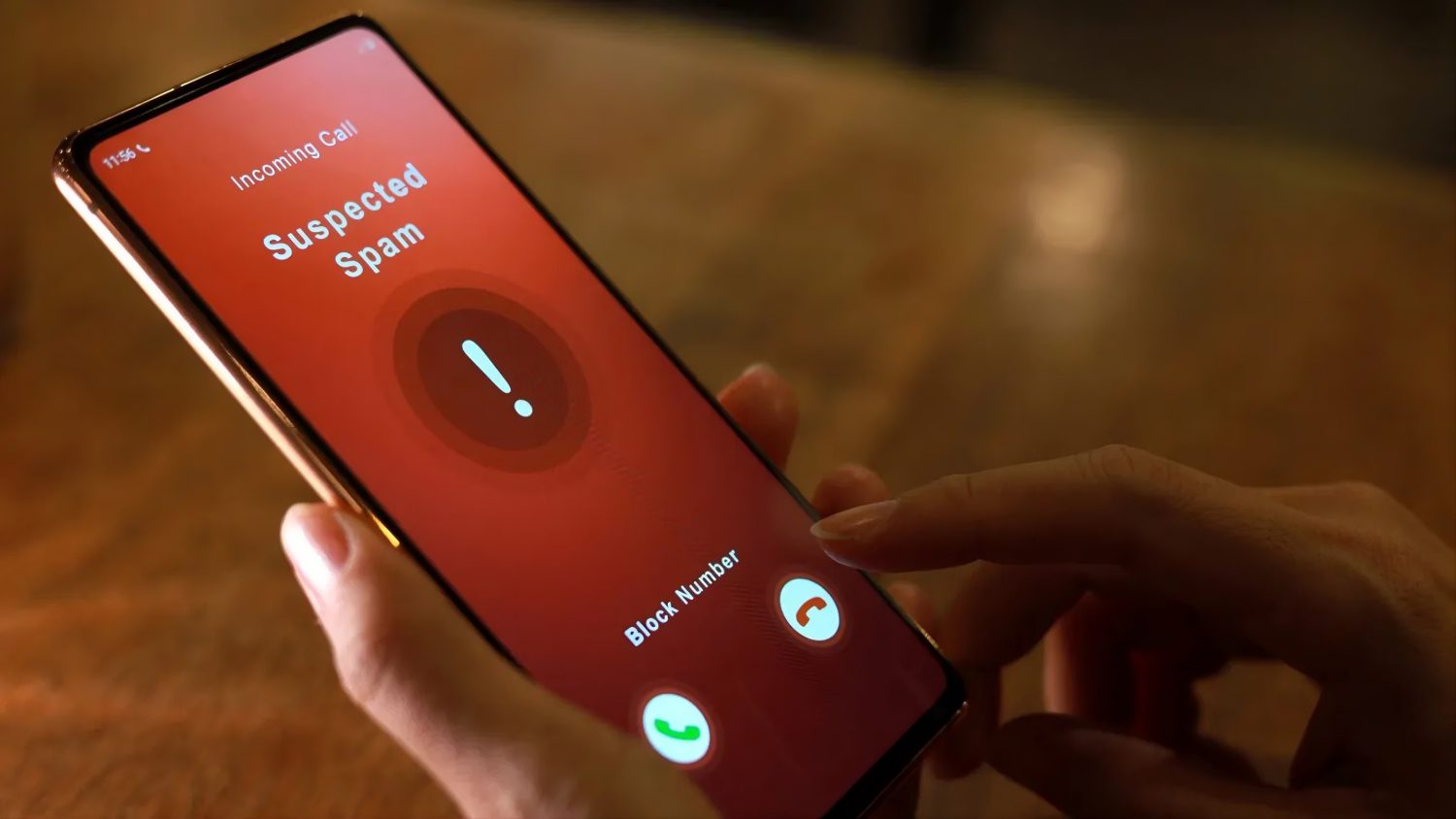
A phone rings during lunch. Unknown number. The caller is a scammer impersonating the IRS. Again. The FCC is done pretending this is acceptable. The agency’s Consumer and Governmental Affairs Bureau published a public notice on September 2, 2026, proposing a Robocall Mitigation Scorecard — a public rating system for wireless, wireline, and VoIP providers on how effectively they block illegal spam calls. The timing isn’t coincidental: a PIRG report from February 2025 graded roughly two dozen carriers, and about half failed outright.
Think of it as Rotten Tomatoes for your phone company — except the stakes are your grandmother’s life savings, not a bad action movie.
What the Scorecard Actually Measures
Forget checkbox compliance — the FCC is now chasing real outcomes, not paperwork.
The proposed Scorecard blends two metric types: conduct-based (did the carrier deploy call-blocking tools, respond to traceback requests from the Industry Traceback Group?) and outcome-based (did illegal calls actually decrease for customers?). Grading formats under consideration include number scales, letter grades, or low/medium/high-risk tiers.
Data sources would include:
- Provider-reported blocking statistics and Robocall Mitigation Database filings
- Third-party call analytics firms with aggregated spam-rate data
- Consumer complaints from the FCC and FTC
- FCC enforcement actions and warnings
- STIR/SHAKEN caller ID authentication deployment status
The Scorecard also tracks false positives — calls from your doctor or kid’s school that a carrier’s aggressive filters accidentally block. That’s not a footnote. It’s a core metric.
“Phone customers should absolutely feel empowered to paying too much speak with their wallets.” — Teresa Murray, consumer watchdog director, U.S. Public Interest Research Group
Good Idea, Complicated Execution
Strong intentions mean little if the underlying data can’t be trusted.
The FCC itself admits that a consumer complaint “does not necessarily indicate a failure to stop an illegal call.” Complaint data is messy and difficult to normalize across providers of vastly different sizes.
Murray’s position is cautious: the FCC’s robocall efforts have been “disappointing for years,” even after the 2019 TRACED Act mandated stronger enforcement. PIRG’s 2025 report confirms the gap — only Charter/Spectrum, Comcast/Xfinity, and Nextlink earned A grades. Verizon and Dish/Boost Mobile were among those with failing grades. AT&T and T-Mobile landed at B. FCC Commissioner Anna Gomez cut to the point: the Scorecard only increases consumer awareness “if it includes the right information.”
Half-measures have delivered half-results for years.
Switching carriers isn’t like canceling a streaming subscription. But public accountability has moved telecom companies before. Advocates propose requiring providers to display scores prominently on websites, bills, and marketing materials — not buried in an FCC docket — which is where real pressure gets applied. Murray calls the Scorecard “just the start of a new conversation.” The question is whether the FCC actually finishes one.