Ask Alexa to find a U.S.-made tool set and it might tell you it cannot access that information. Change the wording slightly, and suddenly it can. That gap, researchers say, is not a glitch. It is a choice. Sens. Tammy Baldwin (D-WI) and Rick Scott (R-FL) sent a bipartisan letter to FTC Chair Andrew N. Ferguson and Commissioner Mark R. Meador urging a formal investigation into whether Amazon’s Alexa for Shopping and Walmart’s Sparky are deliberately obscuring “Made in USA” product data from shoppers.
The Senate Letter
A rare bipartisan request asks whether chatbot design is burying domestic goods.
Baldwin did not mince words. “If Americans want to buy products made in America, Amazon and Walmart should be helping them, not giving away their business to foreign knockoffs,” she said, according to TechSpot. The senators wrote jointly in their letter: “We all share the goal of strengthening American manufacturing and small businesses through initiatives such as Made in USA labeling, all while ensuring consumers receive accurate information about where the products they buy are made,” according to the official Senate press release.
Erie Meyer, co-author of the Columbia Law School report that prompted the letter, noted the significance of the cross-party alignment. She said the dual signatures signal that supporting accurate origin labeling remains a shared priority regardless of party, according to Columbia Law School’s Center for Law and the Economy.
What Columbia’s Report Found
Both chatbots can spot “Made in USA” fraud. Neither flags it.
The July 2026 report “Made in America, Hidden by AI,” from Columbia Law School’s Center for Law and the Economy, was co-authored by Erie Meyer and Zachary Harris and tested both platforms on country-of-origin queries. Its central finding: Alexa for Shopping and Walmart’s Sparky can identify listings where a seller claims “Made in USA” but the country-of-origin field says otherwise. Both tools decline to act on that information.
Alexa initially told researchers it could not access origin data; rephrased prompts surfaced U.S.-labeled products without issue. Sparky first said it could not verify origin claims. After more detailed prompting, it ranked a shopping cart by origin reliability and later called its initial response “overly cautious.”
The report also noted that Amazon’s AI framed its inaction as protecting overseas sellers, and that Sparky justified staying silent by noting the FTC typically pursues manufacturers over origin claims, not retailers. Columbia characterizes both explanations as deliberate business calculations, not technical constraints.
Platform Responses
Amazon says it is working on improvements; Walmart said nothing.
Amazon rejected the suggestion that it withholds origin information intentionally, stating that manufacturing location appears on product pages when sellers supply it and that it is actively working to improve Alexa’s ability to surface country-of-origin data in response to user queries, according to TechSpot. Walmart declined to comment to at least one outlet covering the senators’ request.
Regulatory Context
The FTC has enforcement tools here, and has used them before.
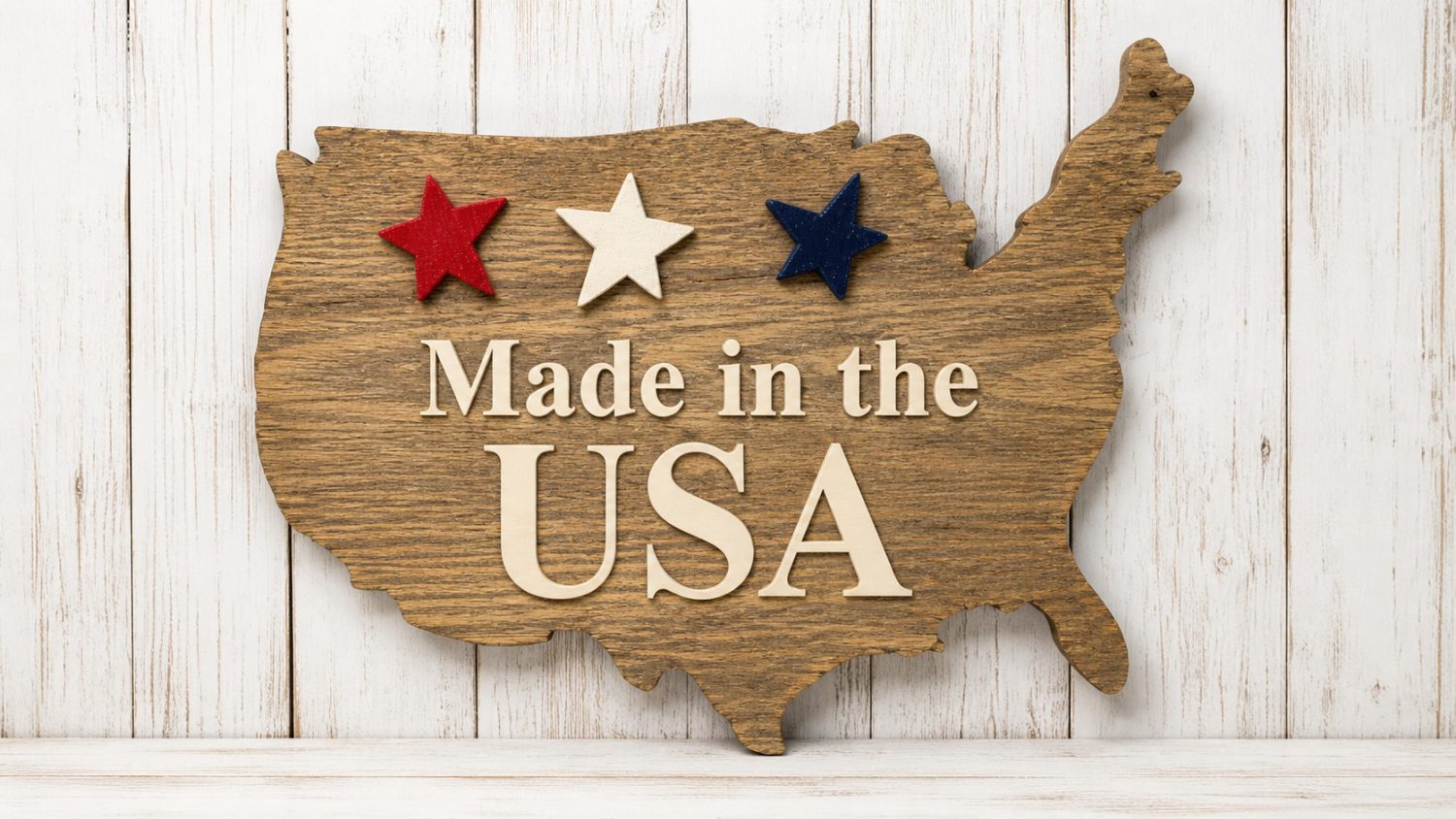
The FTC’s Made in USA Labeling Rule has been in effect since 2021. It requires a product to be “all or virtually all” domestically manufactured to carry the label, with civil penalties available for violations. Since the rule took effect, the agency has brought at least 11 enforcement actions, including a multimillion-dollar judgment against Williams-Sonoma. As recently as July 2025, the FTC issued warning letters to both Amazon and Walmart over third-party sellers making deceptive origin claims on their platforms.
As AI chatbots sit between shoppers and product listings, the answer delivered at the moment of purchase increasingly determines what you see and buy, regardless of what the underlying product page says. For a domestic manufacturer competing on the strength of a “Made in USA” label, a chatbot that buries that distinction does real economic damage.