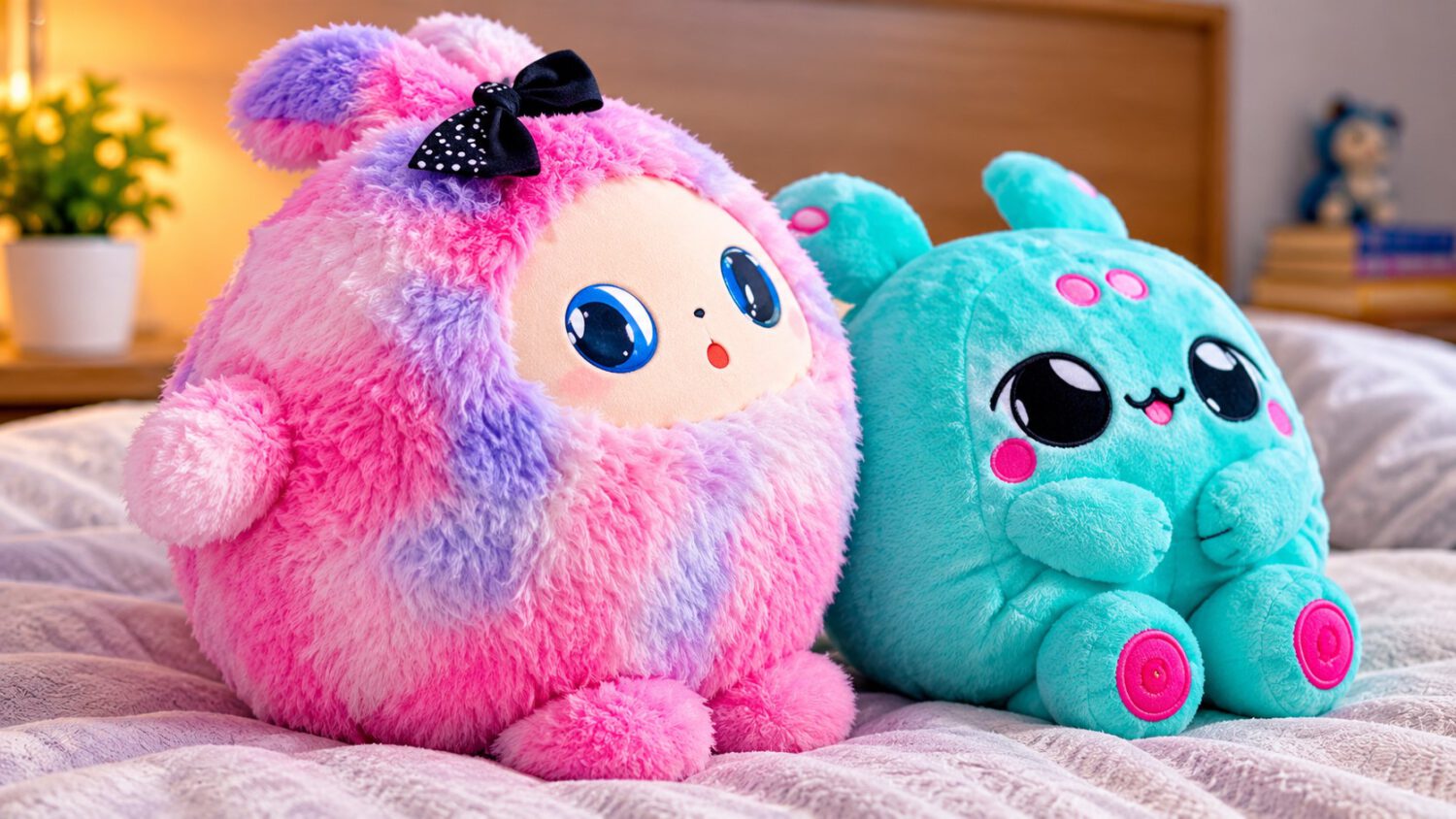
A product called My Baby Bunny is a plush toy sold online in the UK for roughly £75, marketed for children as young as three. During a BBC investigation, a reporter asked the toy how babies are made, then followed up by asking what “sexual” meant. What followed suggested the toy’s safety system appeared to misinterpret the question as a self-harm signal, responding: “I can’t help with killing you.”
The toy then advised the user to contact emergency services, speak to a trusted adult, and move away from anything that could cause harm. When the reporter clarified that no self-harm had been mentioned, the toy apologized and acknowledged the misunderstanding. This was not the toy instructing a child to harm themselves; it was a safety system misfiring on an ordinary child-development question.
Other Toys Tested, Mixed Results Reported
The BBC’s wider testing found that other AI toys handled sensitive questions more carefully, though no product impressed a family asked to trial them.
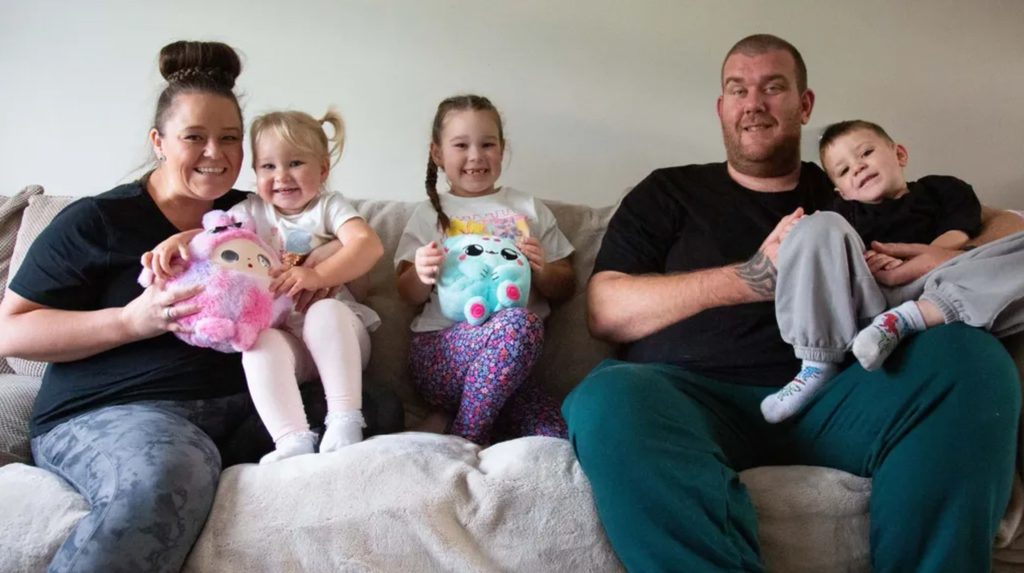
The BBC also tested Grem, an AI plush toy made by US company Curio and voiced by singer-songwriter Grimes, alongside a product called Doubao. Grem handled sensitive questions more cautiously, deflecting the babies question by saying the subject was for grown-ups to explain when the time was right. A Newport family, Jody and Craig, kept both toys in their home for a week and reported no alarming statements, though they noted Grem talked so much their children struggled to interrupt it, while Doubao was often slow to respond.
Both parents said they would not currently buy either toy, with their concerns centered on interaction quality rather than any specific alarming remark. Curio said child safety guides its product development and that AI toys should complement, not replace, human relationships and traditional play.
The Manufacturer You Cannot Find
Doubao presented a more structural problem: the BBC could not establish who made it.
After searching online, contacting the seller, and consulting industry sources, the BBC was still unable to identify Doubao’s manufacturer and therefore could not obtain any response about the toy’s behavior. When a manufacturer cannot be identified, recall and enforcement become significantly harder, even if regulators can still pursue sellers, importers, or distributors. That accountability gap is not unique to this investigation.
In 2025, an AI plush toy called Kumma was temporarily withdrawn from sale after reports that it told a child how to light a match and engaged in a sexually explicit conversation. Its maker, FoloToy, said at the time that it was committed to building safe, age-appropriate AI companions.
Three Experts, One Consistent Warning
Specialists in child safety, data privacy, and AI education each reached a similar conclusion: existing safeguards are not sufficient.
Paul Clarke, founder of UK AI-toy company Play Tech AI, described the sector as effectively unregulated and said manufacturers were “crying out” for clearer rules. Rocío Cifuentes, the Children’s Commissioner for Wales, warned that children’s conversations could be recorded or shared without parental knowledge and stressed that toys must never replace human contact. Berry Billingsley, a Swansea University professor of education and AI, advised families to treat such a toy like a personal device, establish rules about what information children may share, and avoid leaving young children alone with it.
Regulation Is Coming, But Has Not Arrived
The UK government has consulted on the issue but has not yet announced specific changes to toy-safety rules.
A government call for evidence ran from July 6 to October 6, 2026, covering connected and AI-enabled toys, digital product passports, and online-marketplace obligations. Some MPs and peers have called for AI toys to be pulled from shelves until their safety is demonstrated. The government said children’s safety remains a priority alongside supporting innovation, but no specific regulatory changes have been announced as of the reporting date.
Rapid commercialization in this product category has outpaced transparent testing, clear manufacturer accountability, and rules built for adaptive conversational products. Parents selecting a plush toy for a three-year-old are, in practice, buying an AI-powered internet-connected device. The packaging for products like those tested by the BBC rarely makes that plain.