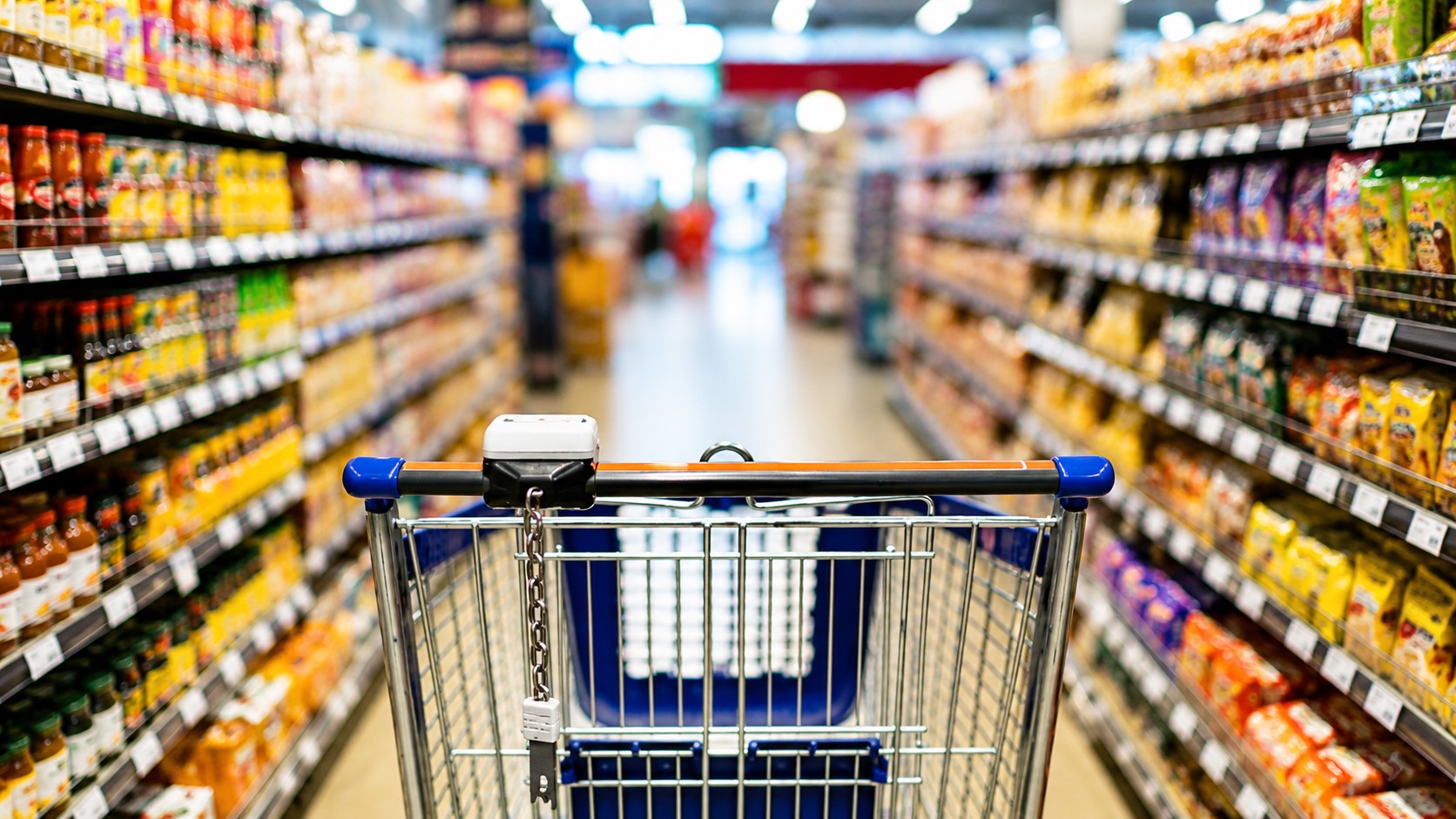
A shopper reaches for a $5.49 box of cereal — unaware the store’s app has already cross-referenced their zip code, browsing history, and purchase patterns to quietly reprice that same box at $6.29. The algorithm decided they wouldn’t notice, or wouldn’t bother driving somewhere cheaper. That practice has a name: surveillance pricing. New Jersey just made it illegal. Gov. Mikie Sherrill signed the Fair Price Protection Act, banning grocery stores and third-party delivery platforms from using personal data and AI to set individualized prices for identical products. The bill passed the Legislature on June 30 with bipartisan support.
What the Law Actually Bans (and What It Doesn’t)
Your loyalty card survives — the invisible algorithm targeting you specifically does not.
The distinction matters. Coupons, loyalty programs, and broad promotional deals remain perfectly legal. What’s banned is the black-box version: an algorithm silently profiling shoppers based on inferred characteristics — income, neighborhood, family size, even biometric data — then charging one customer more than another for the same jar of peanut butter, without either knowing.
Here’s what the law covers:
- Applies to retail food stores and third-party grocery delivery platforms
- Bans pricing based on browsing history, location data, purchase history, biometric and genetic data
- Imposes a one-year moratorium on new electronic shelf label installations while the NJ Innovation Authority studies their impact
- Core provisions take effect one year after enactment
- Violations can carry fines up to $50,000, with additional penalties under the NJ Consumer Fraud Act
Gov. Sherrill described the practice bluntly: companies “figure out where you live, where you shop, and even what you’re Googling, and they use that data to calculate specific, often higher, prices for items you need without your knowledge,” according to the NJ Governor’s Office. Consumer Reports echoed that concern, highlighting how personal data — from real-time location to browsing behavior — enables pricing decisions that consumers typically cannot see or challenge.
Why Electronic Shelf Labels Are Now on Pause
Digital price tags could enable real-time, personalized price hikes — so New Jersey hit the brakes.
Those sleek digital tags replacing paper labels in some stores? Combined with AI and phone-location tracking, they could theoretically adjust prices the moment sensors detect a less price-sensitive shopper nearby. Think Uber surge pricing, but for eggs. If you’re concerned about paying too much without realizing it, these invisible adjustments are exactly the kind of hidden cost this law targets. Existing labels stay operational. New installations freeze for one year while regulators study the implications.
New Jersey is the third state to act, joining Maryland and Connecticut. New York’s comparable bill awaits the governor’s signature. California is considering similar legislation. Colorado’s governor vetoed a comparable law. Business groups warn the legislation could complicate legitimate loyalty programs — a fair concern worth monitoring as this state-by-state patchwork grows.
The sharpest provision? Unlike the NJ Data Privacy Act, which only the Attorney General can enforce, this law gives shoppers direct standing to sue. That private right of action is the law’s real teeth. Prices on the shelf should mean the same thing for everyone walking through the door.